Lifestyle

Fame Without Flesh and the Era of Synthetic Stardom

Fame Without Flesh and the Era of Synthetic Stardom

A profound recalibration is underway in the entertainment industry, and it centres not on a new genre or streaming platform, but on a new kind of presence. Artificial intelligence has shifted from being a background tool for editing and visual effects to a core creative partner. In its wake comes the first major wave of what insiders are calling Synthetic Celebrities, AI generated entities with chart climbing singles, lucrative brand endorsements and carefully curated social lives. Fame, once inseparable from flesh and fallibility, is being reimagined as something that can be coded, optimised and endlessly sustained. The idea of a virtual star is not entirely new. Digital avatars and holographic performers have flirted with mainstream attention for years. What distinguishes this moment is scale and sophistication. Today’s Synthetic Celebrities are not novelty acts or animated mascots. They are complex digital personas powered by machine learning systems capable of generating original music, responding to fans in real time and adapting their aesthetic based on data analytics. Their voices can be modelled on specific tonal qualities, their lyrics shaped by algorithmic analysis of streaming trends, and their visual identities refined through audience engagement metrics. Record labels and tech companies are investing heavily in these creations. An AI artist does not age, cancel tour dates due to illness or become embroiled in scandal unless strategically scripted. Its output can be continuous, tailored to regional markets and adjusted within hours in response to listener feedback. Songs are composed through neural networks trained on vast libraries of musical styles, allowing producers to generate melodies and harmonies that feel familiar yet distinct. Human composers and engineers often remain involved, curating and refining the results, but the creative engine is undeniably algorithmic. Brand partnerships have followed swiftly. Synthetic Celebrities offer a level of control and predictability that traditional talent rarely can. A digital ambassador can appear simultaneously in multiple campaigns, speak dozens of languages and align perfectly with brand values without deviation. Fashion houses and beauty conglomerates are experimenting with virtual muses who model collections in immersive digital environments. These collaborations blur the line between advertising and entertainment, embedding AI personalities within lifestyle narratives that unfold across platforms. Social media is where the illusion becomes most compelling. Synthetic Celebrities maintain accounts that mirror the rhythms of human influencers. They post behind the scenes glimpses of studio sessions, share stylised snapshots of their digital wardrobes and engage in playful exchanges with fans. Natural language processing enables them to respond convincingly to comments, cultivating a sense of intimacy. For followers, the knowledge that the persona is artificial does not necessarily diminish emotional investment. If anything, the transparency can heighten fascination. The audience is invited to participate in the construction of identity, aware that what they are witnessing is a collaborative performance between code and culture. The rise of these entities raises complex questions about authenticity and labour. Human artists invest years in honing their craft, navigating rejection and negotiating contracts. Synthetic Celebrities are assembled through interdisciplinary teams of engineers, designers and marketers. Who, then, is the true author of their success. Is it the algorithm, the dataset on which it was trained, or the creative directors who shape its output. Legal frameworks are still catching up, particularly around intellectual property and royalties. If an AI generates a hit song influenced by thousands of existing tracks, how should credit be distributed. Parallel to this evolution in music and branding is a transformation in cinematic storytelling. Film studios are experimenting with what is being termed modular storytelling, a format that integrates virtual reality and augmented reality to grant viewers agency over narrative outcomes. Rather than passively consuming a fixed plot, audiences can make choices that alter character arcs and endings. Wearing a VR headset or using AR interfaces layered over traditional screens, viewers step into branching storylines where their decisions shape the experience. This approach draws inspiration from interactive gaming, yet it is being adapted for mainstream film audiences. Directors design multiple narrative pathways, each carefully scripted and filmed. AI systems then track user choices and seamlessly assemble scenes in real time. The result is a film that can be watched more than once with entirely different conclusions. A romantic drama might end in reconciliation or separation depending on viewer intervention. A thriller could reveal alternative culprits based on selected clues. For creators, modular storytelling presents both opportunity and challenge. It expands the canvas of narrative possibility but complicates authorship. Traditional cinema has long been defined by the director’s singular vision. In an interactive model, that vision must accommodate variability. Writers craft flexible scripts that maintain coherence across divergent paths. Editors design transitions that feel organic regardless of sequence. The technology must be robust enough to prevent glitches that would shatter immersion. From a commercial perspective, the appeal is clear. Interactive films encourage repeat engagement and foster deeper emotional investment. Viewers become participants rather than spectators, strengthening their connection to characters. Studios can also gather anonymised data on popular narrative choices, informing future projects. Yet this data driven feedback loop introduces concerns about creative homogenisation. If storylines are continually adjusted to reflect majority preference, will risk taking diminish. The psychological impact of Synthetic Celebrities and modular films is equally intriguing. Human beings are adept at forming attachments to fictional characters. When those characters begin to exist in persistent digital spaces, releasing music and responding to comments, the boundary between fiction and reality becomes porous. The knowledge that an AI persona is not sentient does not entirely negate the emotional resonance of its art. In some cases, the artificiality may even offer comfort, insulating fans from the unpredictability of human behaviour. Critics caution against uncritical enthusiasm. There are fears about job displacement for performers and writers, as well as ethical concerns about deepfakes and the potential replication of real individuals without consent. Industry unions are negotiating safeguards to ensure that AI serves as collaborator rather than replacement. Transparency around the use of synthetic voices and likenesses is becoming a priority, particularly

Fame Without Flesh and the Era of Synthetic Stardom Read More »

Dressing for the Algorithm: When Fashion Becomes a Moodboard

Dressing for the Algorithm, When Fashion Becomes a Moodboard

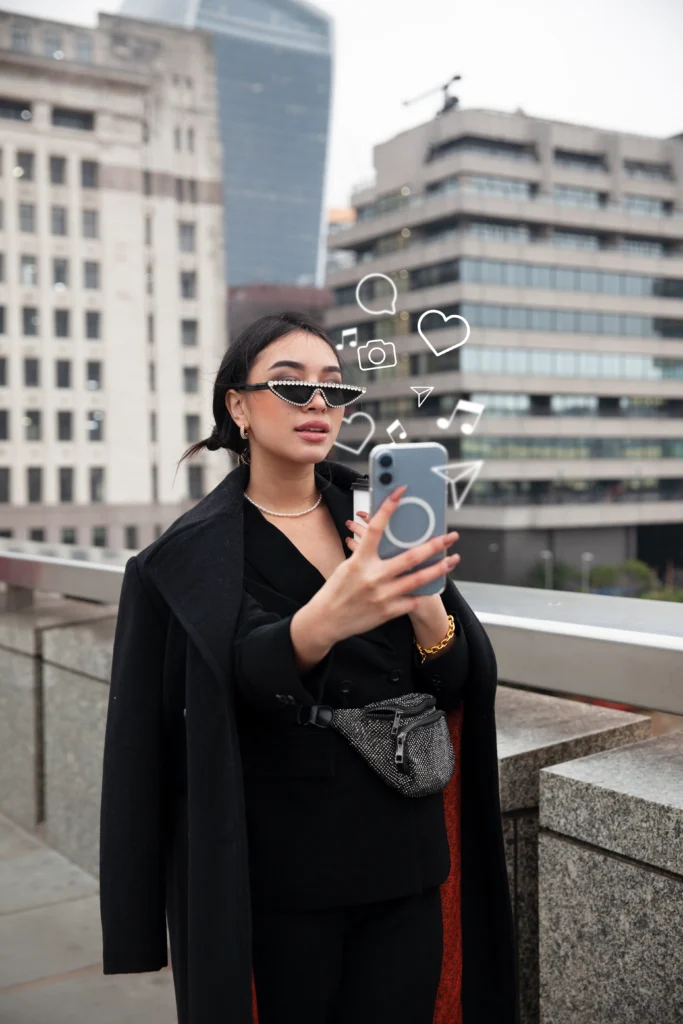
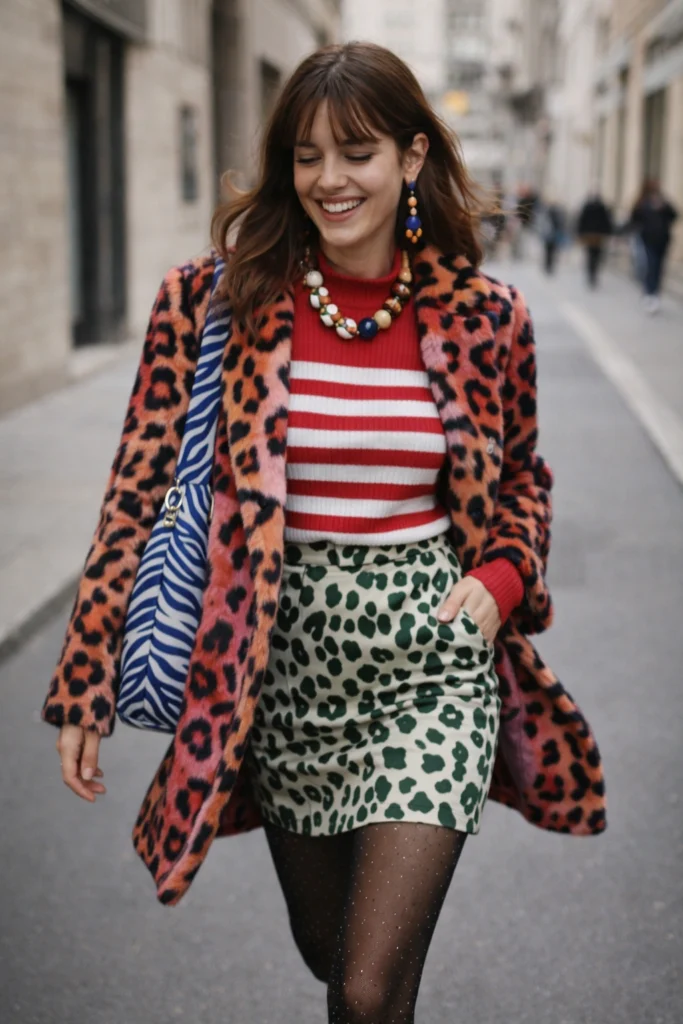
In the glow of your phone screen at midnight, scrolling through an endless feed of perfectly curated outfits, have you ever paused and wondered: Am I dressing for myself, or for the likes? Welcome to the era of “dressing for the algorithm,” where fashion isn’t just about personal expression it’s a strategic game of visuals, hashtags, and viral potential. For today’s style-savvy individual, the wardrobe has transformed into a living moodboard, optimized not for the mirror but for the metrics. As algorithms dictate what bubbles to the top of our feeds, they’re reshaping how we shop, style, and even see ourselves. In this article, we’ll dive into this fascinating intersection of glamour, technology, and self-care, exploring how it’s revolutionizing beauty and wellness while posing some intriguing challenges. Imagine a young professional in New York, let’s call her Elena. She wakes up, sips her matcha latte, and meticulously plans her outfit: a oversized blazer layered over a silk slip dress, accessorized with chunky gold chains and platform sneakers. It’s not just cute it’s content. She snaps a mirror selfie, edits it with a filter that enhances the golden hour vibe (even though it’s 8 a.m.), and posts it with #OOTD, #StreetStyle, and a geotag from a trendy café. Within hours, the likes pour in, comments flood with fire emojis, and her follower count ticks up. But here’s the twist: Elena chose that blazer because she saw similar looks dominating her For You page on TikTok. The algorithm fed her content from influencers whose aesthetics align with “quiet luxury” trends, and now she’s emulating it to stay relevant. This isn’t coincidence; it’s calculation. At its core, dressing for the algorithm means curating your personal style to align with what platforms like Instagram, TikTok, and Pinterest prioritize. Algorithms favor eye-catching visuals bold colors, symmetrical compositions, and elements that evoke emotion or aspiration. Think of the “clean girl” aesthetic that exploded in 2023: slicked-back buns, minimal makeup, and neutral tones that scream effortless elegance. Or the “Barbiecore” pink frenzy post-2023 movie release, where users flooded feeds with hot pink outfits to ride the wave of cultural hype. These aren’t organic evolutions; they’re amplified by algorithms that reward engagement. A post with high contrast, dynamic poses, or trending sounds gets pushed to more users, creating a feedback loop where fashion becomes a moodboard of what’s “working” right now. This phenomenon has deep roots in the rise of social media as a fashion democratizer. Gone are the days when glossy magazines like Vogue solely dictated trends from Paris runways. Now, anyone with a smartphone can be a tastemaker. Platforms encourage this by turning users into creators: Instagram’s Reels prioritize short, snappy videos of outfit transitions, while TikTok’s Duet feature lets you remix someone else’s look. The result? A global moodboard where inspiration flows freely. For beauty and wellness enthusiasts, this is empowering. It fosters creativity mixing thrift finds with high-end pieces in unexpected ways and builds communities. Wellness influencers, for instance, blend fashion with mindfulness, showing how a flowy maxi dress paired with crystal jewelry can symbolize “inner peace vibes.” It’s not just about looking good; it’s about feeling aligned, turning your outfit into a visual mantra for the day. Yet, this algorithmic influence isn’t all shimmer and glow. There’s a darker undercurrent that ties directly into wellness concerns. The pressure to perform can erode authenticity, leading to a homogenized style where everyone starts looking like variations of the same moodboard. Remember the “VSCO girl” trend of 2019? Hydro Flasks, scrunchies, and oversized tees became ubiquitous because they photographed well and racked up saves. But for many, it felt performative, not personal. Studies from digital wellness experts highlight how constant comparison on social media exacerbates body image issues and anxiety. When your outfit’s success is measured in metrics, views, shares, impressions, it shifts fashion from self-expression to validation-seeking. Elena, our hypothetical New Yorker, might love vintage band tees, but if they don’t “pop” on the feed, they gather dust in her closet. This can lead to decision fatigue, where choosing clothes becomes a mental math problem: Will this get likes? Does it fit the algorithm’s mood? Moreover, the beauty industry feels the ripple effects. Makeup tutorials now emphasize “Instagrammable” looks, dewy skin that catches light perfectly for selfies, or bold lips that stand out in thumbnails. Wellness brands capitalize on this, marketing products like LED face masks not just for skin health but for that post-treatment glow-up photo op. But at what cost? The pursuit of algorithmic perfection can blur the lines between genuine self-care and curated facade. Therapists specializing in digital detox note an uptick in clients feeling “fashion burnout,” where the joy of dressing up is overshadowed by the need to document it. It’s a reminder that while algorithms curate our feeds, we must curate our boundaries. To navigate this, let’s consider the pros through real-world lenses. Take micro-influencers in the wellness space, like those promoting body-positive fashion. They dress for the algorithm by using inclusive hashtags like #AllBodiesAreBeautiful, but they infuse it with authenticity sharing unfiltered outtakes or styling tips for different body types. This creates moodboards that feel relatable, encouraging followers to experiment without pressure. On the flip side, major trends like “dopamine dressing” wearing bright colors to boost mood have gone viral because they tie fashion to emotional wellness. Algorithms love the positivity, pushing these posts to users seeking uplift, thus creating a virtuous cycle. But innovation is key to keeping it fresh. Emerging tech like AI style generators (think apps that suggest outfits based on your feed) are taking moodboards to the next level. Imagine uploading your wardrobe photos, and an algorithm spits out combinations optimized for virality while factoring in your personal vibe. For glamour aficionados, this means more time enjoying the art of dressing and less guessing what “works.” Yet, experts warn against over-reliance: “Fashion should spark joy, not just engagement,” says a fictional stylist we’d interview for this piece, echoing Marie Kondo’s philosophy adapted for the

Dressing for the Algorithm, When Fashion Becomes a Moodboard Read More »