Lifestyle

Khelan Hajo, She Curates a World Where Instinct Becomes Identity

Khelan Hajo, She Curates a World Where Instinct Becomes Identity

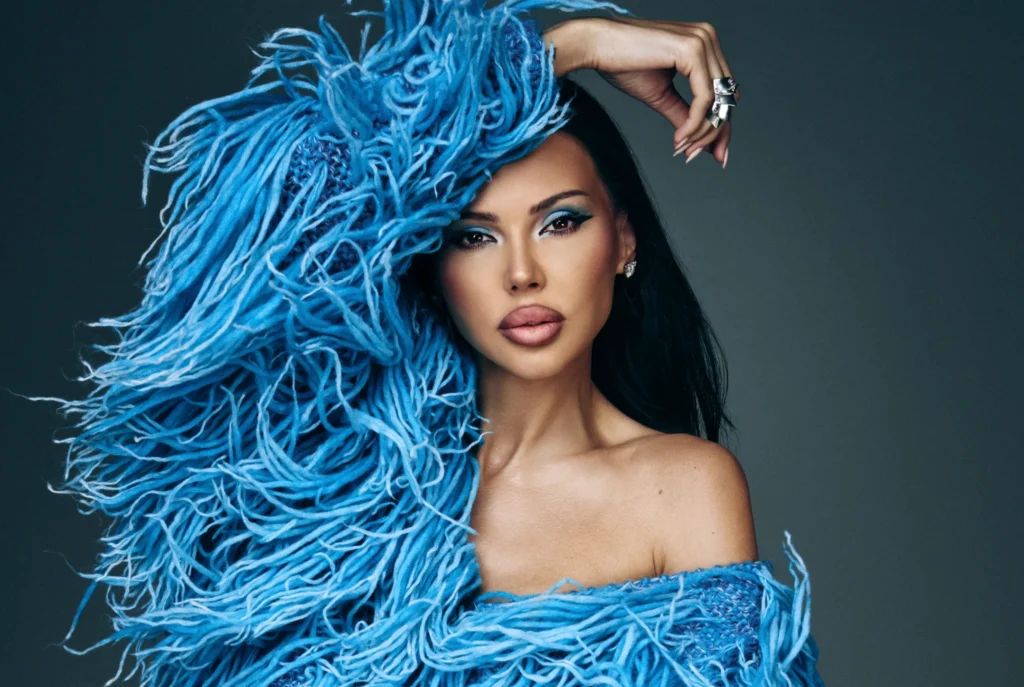
At hand a precision exists to Khelan HAJO, not rigid, but refined. The kind that does not rush, does not scatter, but gathers itself quietly into something unmistakable. She moves with intention, guided less by noise and more by an inner clarity that feels both instinctive and deeply considered. Her journey began at a time when the digital world was still discovering its own rhythm. In 2016, without strategy or structure, she entered it with nothing more than a sharp eye for aesthetics and a natural sense of what felt visually compelling. Inspired by the early creative pulse of platforms like Musical.ly, she began to share. What followed was immediate and almost surreal. Her first videos travelled far beyond expectation, one reaching tens of millions, carrying her vision into spaces she had not yet imagined. It could have been overwhelming, but instead, it became defining. Not because of the numbers, but because of what they revealed. A connection. A resonance. An understanding that instinct, when trusted, can become direction. The turning point arrived not loudly, but with significance, as international luxury houses began to recognise her work. Among them, Dior Beauty. With that recognition, something shifted. What was once spontaneous became intentional. What began as passion evolved into identity. There is an intensity to the world she inhabits, one that demands constant presence, constant refinement. It is a space where aesthetics are not just appreciated, but expected. She does not pretend it is easy. There have been moments, she admits, where the pace felt unsustainable, where the pressure pressed closely enough to question its longevity. Yet it is her mindset that carries her forward. Focused. Ambitious. Always reaching beyond what has already been done. It is not simply discipline that defines her, but a quiet determination to grow, to evolve, to continue shaping something that feels entirely her own. And yet, for all the precision of her public image, there is an equally deliberate softness in how she protects her private world. She does not live in a constant state of presentation. Away from the lens, she allows herself to exist without expectation, without the need to be seen or styled. There is a separation she maintains, not as distance, but as balance. When she steps into a shoot or an event, she embraces the transformation. Being ready becomes part of the artistry, a role she steps into with ease. But when she steps away, she returns fully to herself. It is this distinction that allows her to navigate the invisible pressures of her world without being consumed by them. Her understanding of beauty reflects that same layered awareness. She recognises the shifts happening globally, the widening of perspectives, the growing space for diversity. And yet, she also sees the subtle reinvention of perfection, the way it reshapes itself through trends, never fully disappearing, only changing form. For her, beauty does not belong to those shifting standards. It belongs to the individual. To personal style. To the confidence of wearing what feels true rather than what feels expected. Trends, in her world, are observed, not obeyed. She does not reject them entirely, but she filters them through her own identity, embracing only what aligns. There is a discipline in that restraint, a refusal to be diluted by what is temporary. “It is not about perfection, but about expression,” she believes, and in that belief, her aesthetic remains distinct, recognisable, untouched by the uniformity that often defines the digital space. Beyond the surface, her life is anchored in rituals that restore rather than perform. Family sits at the centre, particularly her connection with her sister Rashan, a bond that feels both grounding and expansive. In that relationship, there is clarity, a reminder of what exists beyond the curated world. Nature offers another kind of stillness. Walks, quiet moments outdoors, spaces where she can think without interruption, where the pace of life slows enough to be felt. Creativity, too, extends beyond what is seen. Painting becomes a private language, a way of expressing without expectation, without audience. It is here that her artistry exists in its purest form, untouched by metrics or perception. And then there is her connection to Kurdistan, a return she makes not out of routine, but out of necessity. A way to reconnect, to realign, to remember. It is within these roots that her identity finds its depth. In an industry that thrives on imitation, she protects her individuality with quiet conviction. Inspiration may come from many places, but her choices remain her own. She understands that true style is not something borrowed, but something built, piece by piece, through clarity and self awareness. It is this understanding that keeps her work personal, that allows it to stand apart without needing to compete. Discipline, for Khelan, is not about control, but about consistency. It is what sustains her presence, what ensures that her work remains not only visible, but meaningful. Yet she is careful not to let it become rigid. There is a balance she maintains, one where focus does not erase freedom, where ambition does not replace authenticity. It is within that balance that her image gains both strength and credibility. Her perspective on cultural beauty carries a depth that feels both personal and universal. As a Kurdish woman, she sees beyond the simplified narratives often attached to Middle Eastern identity. For her, beauty is not a fixed look, but a lived experience. It is heritage, strength, history, and evolution intertwined. It is a quiet elegance that does not seek validation, a confidence that exists without explanation. Something felt rather than displayed. If there is one idea she would dismantle, it is the notion that beauty must conform. That it must fit, adapt, or align with something predefined. To her, this way of thinking feels outdated, disconnected from the reality of individuality. Beauty, she believes, does not come from imitation. It grows from within, shaped by roots, by identity, by the freedom to evolve without losing

Khelan Hajo, She Curates a World Where Instinct Becomes Identity Read More »

Asia Rose Simpson, Crowned With Purpose, The Rise of a New Generation Queen

Asia Rose Simpson, Crowned With Purpose, The Rise of a New Generation Queen

Faith, discipline, and impact define Asia Rose Simpson’s journey beyond beauty Grace, conviction, and quiet strength come together in Asia Rose Simpson, a young woman whose presence extends far beyond the stage. At just eighteen, her journey reflects not only talent and discipline, but a deeply rooted sense of faith and purpose. Crowned Miss World Philippines 2026, she carries her title with intention, using it not as a destination, but as a platform for something far greater. In this intimate conversation with Meri & Rime, Asia reveals the heart, belief, and vision behind her remarkable rise. Pageantry has been a learning curve for me. I have been a performer my entire life, so being on stage has always felt natural. But pageants introduced something deeper. They became a space where my character was shaped, where I learned to speak not just with confidence, but with purpose, and where I began to understand how to use my voice to create change. Winning Miss World Philippines 2026 at eighteen is something I truly believe happened by God’s hand. Of course, my family and I worked tirelessly, investing time, energy, and resources into this journey. But in a world where visibility, connections, and popularity often dominate, I entered quietly, holding onto a promise that what I could not control would be taken care of. That belief carried me. My pageant motto comes from 1 Timothy 4:12, a reminder not to let youth limit impact, but to lead by example in word and in action. I have never allowed my age to define my capability. It is not something I can control, so I choose not to focus on it. Instead, I focus on excellence, a value my parents instilled deeply in me and my siblings. Whatever we do, we do it wholeheartedly, as an offering, with integrity and purpose. This title is not just a recognition, it is a confirmation of faith, a mission of obedience, and an opportunity to amplify a voice that believes change begins with action. Titles may be temporary, but the impact they create can echo far beyond them. Growing up as a homeschooled student and missionary child shaped much of my worldview. My siblings and I lived a life that was both simple and deeply enriching. Our classroom was small, just four students, with our mother teaching every subject and our father guiding us as both principal and coach. While this environment limited traditional social interaction, it opened doors to creativity and exploration. To balance that, our parents introduced us to dance and gymnastics, encouraging us to perform and compete. Those early years built not only skill and discipline, but also resilience, confidence, and a love for the stage. Creativity has always been a part of me. As a child, I was constantly experimenting, whether through art, storytelling, or performance. Writing became especially meaningful during the pandemic, when I began exploring poetry. Later, I discovered a love for children’s literature, something that started almost by accident but quickly became a passion. One of my books, Animal Sounds of Praise, received recognition at a national level, and since then I have continued to write and illustrate more. It is a dream I hope to pursue long term. While I have many passions, from singing and dancing to painting and even crocheting, I do not define myself by them. My identity is rooted in something deeper, in who I belong to. Everything else is simply an expression of that foundation. In today’s landscape, the role of a beauty queen extends far beyond appearance. A crown carries influence, and with that influence comes responsibility. Beauty may open doors, but it is purpose that gives meaning to the journey. A queen should not only speak about change, she should actively pursue it. Pageantry, when approached with intention, becomes a powerful platform for impact, not just a moment on stage, but a movement that continues far beyond it. My experiences across both national and international platforms have broadened my perspective in ways I deeply value. Having traveled since infancy, I have been exposed to a wide range of cultures, each unique yet connected by shared humanity. These experiences have reinforced my belief that despite our differences, we are more alike than we realize. This understanding plays a significant role in my advocacy, as it focuses on universal connections. Whether through sports or dance, there are languages that transcend words, allowing people from different backgrounds to connect and understand one another. Representing the Philippines on a national level was both an honor and a challenge. The country has a rich legacy in pageantry, known globally for excellence, and stepping into that space required dedication and respect for the standard that has been set. Looking ahead to the international stage, I carry that same sense of responsibility with me, along with excitement for the opportunity to connect with delegates from around the world and represent my country with pride. Advocacy lies at the heart of my journey. My initiative focuses on sports and dance as tools to support the physical, mental, and emotional well being of young people. It addresses critical issues such as mental health challenges, lack of physical activity, and the growing impact of technology on connection and well being. Through this work, I have had the privilege of reaching thousands of students across different countries. Sports and dance are powerful because they create connection, build confidence, and provide a healthy outlet for expression. They foster community and help young people develop both physically and emotionally. As the beauty industry evolves, I see myself as part of a movement toward inclusivity and purpose. Being of mixed heritage allows me to represent a blend of cultures, and I hope to contribute to a shift away from unrealistic standards and toward a more meaningful understanding of beauty. True beauty is not defined by trends or comparison, but by authenticity and purpose. As a representative within the Miss World system, I strongly believe that beauty

Asia Rose Simpson, Crowned With Purpose, The Rise of a New Generation Queen Read More »

How Digital Culture Is Redefining Personal Style

How Digital Culture Is Redefining Personal Style

Personal style has always been influenced by cultural context, but digital platforms have transformed how that influence operates. The internet has become a vast archive of inspiration, making style more accessible and more complex than ever before. One of the most significant changes is the speed at which trends spread. What begins as a niche aesthetic can quickly become global. This creates a sense of immediacy that shapes how people engage with fashion.At the same time, digital culture encourages experimentation. Exposure to diverse styles allows individuals to mix influences in unique ways. Personal style becomes a collage rather than a fixed identity. Algorithms play a powerful role in this process. They curate content based on user behavior, shaping what people see and, ultimately, what they wear. This can create echo chambers where certain aesthetics dominate.However, there is also a growing awareness of this dynamic. Many individuals actively seek out diverse sources of inspiration to avoid uniformity. This intentional exploration adds depth to personal style. The concept of authenticity has become central. In a digital environment where everything can be curated, genuine expression stands out. People are drawn to styles that feel personal rather than performative. Content creation itself has become part of personal style. Outfits are not just worn but documented and shared. This adds another layer to how style is constructed and perceived. There is also a shift toward storytelling. Personal style is increasingly tied to narrative. It reflects experiences, values, and aspirations. This narrative dimension makes style more meaningful. The influence of digital culture is not without challenges. The pressure to keep up with trends can be overwhelming. Balancing inspiration with individuality requires conscious effort. Ultimately, digital culture has expanded the possibilities of personal style. It has made fashion more inclusive and dynamic while also introducing new complexities. It reminds us that style is not just about what we wear but about how we navigate the world around us.

How Digital Culture Is Redefining Personal Style Read More »

The Rise of Slow Fashion as a Cultural Movement

The Rise of Slow Fashion as a Cultural Movement

Fast fashion once defined accessibility and immediacy. New collections appeared constantly, offering endless choices at low prices. But this model has come under increasing scrutiny, giving rise to a movement that values quality over quantity. Slow fashion is not just a trend but a cultural shift. It challenges the idea that clothing should be disposable. Instead, it emphasizes longevity, craftsmanship, and ethical production. This movement is driven by growing awareness of environmental impact. The fashion industry is one of the largest contributors to waste and pollution. Consumers are beginning to question the true cost of inexpensive clothing. Transparency has become a key factor. People want to know where their clothes come from and how they are made. Brands that provide this information are gaining trust and loyalty. Slow fashion also encourages a different relationship with clothing. Instead of constantly seeking new items, it promotes thoughtful purchasing. Each piece is chosen with intention and valued over time. Repair and reuse are central to this philosophy. Mending garments or repurposing materials extends their lifespan and reduces waste. This approach challenges the culture of disposability. There is also an aesthetic dimension to slow fashion. Timeless designs and high quality materials create a sense of enduring style. These pieces often transcend trends, making them versatile and long lasting. Community plays an important role as well. Local artisans, small brands, and independent designers are at the forefront of this movement. Supporting them fosters a more sustainable and diverse fashion ecosystem. The rise of slow fashion reflects broader cultural values. It aligns with a desire for mindfulness, responsibility, and authenticity. It suggests that consumption can be both conscious and creative. Ultimately, slow fashion is about redefining value. It asks us to consider not just what we wear but why we wear it. It transforms clothing from a fleeting purchase into a meaningful investment.

The Rise of Slow Fashion as a Cultural Movement Read More »

The New Era of Celebrity Influence

The New Era of Celebrity Influence

Celebrity influence has undergone a profound transformation. Once defined by exclusivity and distance, it is now characterized by accessibility and relatability. This shift has changed how audiences engage with public figures and how those figures shape cultural trends. In the past, celebrities were often seen as untouchable icons. Their lives were curated through carefully controlled media appearances. Today, social platforms have created a sense of immediacy. Fans can follow daily routines, personal thoughts, and behind the scenes moments. This accessibility has blurred the line between celebrity and audience. It creates a sense of connection that feels more personal. However, it also raises questions about authenticity. The more a celebrity shares, the more audiences scrutinize what is real and what is constructed. Influence is no longer limited to traditional fame. Digital creators, activists, and niche personalities can have significant impact. This diversification has expanded the definition of who can shape trends and conversations.Fashion and beauty remain central to celebrity influence, but the approach has changed. Instead of dictating trends, many celebrities now participate in them. They collaborate with designers, launch their own brands, and engage directly with their audiences. There is also a growing emphasis on values. Audiences expect celebrities to take positions on social and political issues. Silence can be interpreted as indifference, while engagement can strengthen connection. This dynamic adds complexity to the role of public figures. The concept of aspiration has evolved as well. Rather than striving to emulate an unattainable lifestyle, audiences are drawn to authenticity and relatability. Imperfections and vulnerabilities can enhance a celebrity’s appeal. At the same time, the pressure to maintain relevance has intensified. The constant demand for content can lead to overexposure. Balancing visibility with privacy has become a key challenge. Brand partnerships reflect these changes. Consumers are more discerning and can easily detect inauthentic endorsements. Successful collaborations feel aligned with the celebrity’s identity and values. Ultimately, the new era of celebrity influence is defined by connection rather than distance. It is more dynamic, more inclusive, and more complex. It reflects a cultural shift toward authenticity and engagement.

The New Era of Celebrity Influence Read More »

The Rise of Brut Denim and the Return of Fashion Discipline

The Rise of Brut Denim and the Return of Fashion Discipline

After years dominated by artfully distressed finishes, faded washes and deliberately undone silhouettes, February 2026 marks a decisive pivot in fashion’s mood. The pendulum has swung away from nostalgia tinged softness and towards something far more rigorous. Enter the Brut Denim suit, a head to toe expression of raw, unwashed cotton in its purest state. Stiff, structured and unapologetically authentic, this is denim before it has been softened by time or technique. It is fabric at its most honest, cut into sharp jackets and wide leg trousers that command presence without embellishment. Brut, borrowed from the French word for raw, feels apt. This denim has not been pre distressed, sandblasted or chemically faded. It arrives deep indigo, almost inky, with a crisp handle that holds its shape. When tailored into a suit, it creates an architectural silhouette that stands in stark contrast to the slouchy streetwear of recent seasons. The jacket sits firmly on the shoulders, often slightly boxy, while the trousers fall in a clean uninterrupted line to the floor. There is weight to the fabric, a tactile reminder that this is cotton woven densely and left untouched. The appeal of the Brut Denim suit lies partly in its restraint. At a time when fashion has flirted with hyper decoration and algorithm driven micro trends, raw denim feels grounded. It signals deliberation rather than impulse. The absence of artificial wear marks invites the wearer to create their own narrative through movement and time. Creases form naturally at the elbows and behind the knees. Fades develop according to posture and habit. The garment evolves with the body, becoming uniquely personal rather than mass produced in appearance. This return to untreated fabric aligns closely with the growing emphasis on craftsmanship and slow fashion. Consumers are increasingly sceptical of processes that artificially age garments in factories, recognising the environmental toll of excessive washing and chemical treatments. Raw denim requires fewer interventions during production, reducing water usage and energy consumption. In its rigidity and depth of colour, it communicates integrity. It suggests that what you see is what you get, without theatrical distressing to simulate history. Designers have embraced this philosophy by elevating denim to suiting status. Once confined to workwear and casual attire, it is now cut with the precision typically reserved for wool or tailoring cloth. Seams are reinforced, lapels are sharply defined and waistbands are structured to sit cleanly against the body. The wide leg trouser, a recurring silhouette this season, balances the stiffness of the fabric with fluid proportion. When worn together, jacket and trousers create a uniform that feels both utilitarian and refined. There is an intriguing tension in this look. Denim has long been associated with rebellion, labour and informality. By transforming it into a disciplined suit, fashion recontextualises its heritage. The Brut Denim suit is not about rugged individualism in the traditional sense. Instead, it conveys a modern austerity, a quiet confidence that does not rely on obvious luxury markers. There are no loud logos or ornamental flourishes. The impact comes from cut, proportion and the rich saturation of untreated indigo. Styling reinforces this polished utility. Crisp white shirts, minimal leather belts and sturdy boots often accompany the ensemble, maintaining a streamlined palette. Some opt for tonal layering, pairing the suit with a slightly lighter chambray or a fine knit in navy. The key is coherence. Because the fabric is visually dense, accessories are chosen with restraint. Jewellery tends towards brushed metals, echoing the industrial roots of denim hardware. The cultural resonance of Brut Denim also reflects a broader fatigue with disposability. Fast fashion cycles have accelerated to the point of exhaustion, with trends appearing and disappearing in weeks. In contrast, raw denim demands patience. It softens gradually, rewarding consistent wear. Enthusiasts speak of break in periods and the satisfaction of watching the fabric mould to their form. This slower relationship with clothing feels radical in its simplicity. It asks the wearer to commit rather than constantly replace. From a technical perspective, the quality of the cotton and the tightness of the weave are paramount. High grade selvedge denim, woven on traditional shuttle looms, is particularly prized. The finished edge prevents fraying and signals attention to detail. These elements may seem subtle, yet they underscore the garment’s craftsmanship. In a Brut Denim suit, construction is not hidden. Stitching is visible, rivets are purposeful and seams are integral to the aesthetic. There is also a psychological dimension to wearing raw denim in suiting form. The initial stiffness encourages upright posture. The structured jacket frames the torso, while the weight of the trousers anchors the stance. Unlike softer fabrics that drape and conceal, Brut Denim holds its line. It invites presence. In professional settings, it reads as confident yet unconventional. In creative circles, it signals discernment and an appreciation for material authenticity. Critics may argue that such rigidity risks discomfort or inflexibility. Yet part of the appeal lies precisely in that firmness. In an era defined by fluid identities and digital flux, there is comfort in something tangible and substantial. The fabric creases, resists and ultimately yields, mirroring the process of breaking in a pair of well made shoes. Over time, the suit becomes more supple without losing its structure, achieving a balance between discipline and ease. As February unfolds, the Brut Denim suit stands out not as a fleeting novelty but as a considered recalibration. It does not shout for attention through novelty cuts or flamboyant colour. Instead, it relies on purity of material and clarity of form. It gestures towards workwear heritage while embracing contemporary tailoring. Most importantly, it embodies a commitment to longevity. Fashion often thrives on reinvention, yet occasionally it returns to fundamentals. Raw cotton, woven tightly and left unwashed, is as fundamental as it gets. In elevating this material into a structured suit, designers are making a statement about value and time. They are suggesting that authenticity, once stripped of artifice, can feel surprisingly modern. The Brut Denim suit ultimately represents more

The Rise of Brut Denim and the Return of Fashion Discipline Read More »

The Invisible Algorithm of Youth

The Invisible Algorithm of Youth

The aesthetic ideals that once dominated social media feeds now feel strangely theatrical. The immobile foreheads and exaggerated contours of recent years have begun to recede, replaced by something quieter and infinitely more sophisticated. In February this year, a new language of beauty has taken hold. It is being described as Biometric Beauty, though within clinics it is often referred to more discreetly as stealth aesthetics. This is not about visible intervention. It is about precision, subtlety and a kind of scientific intimacy with the skin that borders on bespoke medicine. The aim is not to look altered but to look restored, as though one has spent a month breathing alpine air and sleeping deeply in a Swiss retreat, returning with skin that appears rested, resilient and quietly luminous. The cultural appetite for this shift has been building for some time. Consumers have grown weary of faces that appear frozen in expression or sculpted to a uniform ideal. The public conversation has matured, and with it has come a more critical understanding of what aesthetic medicine can and should achieve. The new aspiration is not transformation but optimisation. It is the desire to look like oneself on a very good day, consistently.  That subtle recalibration has opened the door to technologies and treatments that work with the biology of the individual rather than imposing an external template. Central to this evolution is the rise of AI powered diagnostic systems capable of analysing the skin with extraordinary depth. What once required invasive testing or subjective clinical judgement can now be assessed through advanced imaging and algorithmic modelling. These systems evaluate genetic ageing tendencies, collagen density projections, pigment irregularities and real time hydration levels. By mapping how a person is likely to age based on inherited traits and environmental exposure, practitioners can design preventative strategies that are tailored with remarkable specificity. Instead of reacting to wrinkles once they have formed, clinicians are now able to anticipate structural decline before it becomes visible. The science underpinning this approach draws on decades of dermatological research into intrinsic and extrinsic ageing. Intrinsic ageing reflects the gradual biological changes encoded within our DNA, while extrinsic ageing is shaped by ultraviolet radiation, pollution, stress and lifestyle. Biometric Beauty attempts to quantify both streams of influence. Sophisticated imaging devices measure transepidermal water loss, micro inflammation and elasticity shifts that are imperceptible to the naked eye. Machine learning systems then compare this data with vast libraries of skin profiles, identifying patterns and predicting trajectories. The result is a form of aesthetic forecasting, in which treatment plans are constructed around an individual blueprint rather than a trend. Treatments themselves have evolved in parallel with diagnostics. Polynucleotide therapy has emerged as one of the defining interventions of this era. Derived from highly purified DNA fragments, polynucleotides act as signalling molecules within the skin. When injected into targeted areas, they stimulate fibroblasts to increase collagen and elastin production, enhance microcirculation and improve tissue repair. Unlike traditional dermal fillers that add immediate volume beneath the surface, polynucleotides encourage the skin to regenerate from within. The change is gradual and accumulative, often described by patients as a return of vitality rather than an artificial enhancement. Collagen stimulating injectables also play a crucial role in this stealth philosophy. These biostimulatory treatments trigger the body to lay down new structural proteins over time. As collagen production rises, skin appears firmer and more supple, yet the architecture of the face remains recognisably personal. There is no abrupt shift in contour or expression. Instead, there is a slow re strengthening of the underlying framework that supports natural movement and emotion. This distinction is essential to the appeal of Biometric Beauty. The objective is restoration rather than filling, resilience rather than rigidity. Another dimension of the trend is the integration of continuous monitoring. Wearable technology and smartphone applications are increasingly capable of tracking hydration, sleep quality and environmental exposure. When combined with clinical data, these metrics offer a holistic picture of how daily habits influence the skin. For example, fluctuations in hydration can now be measured and correlated with barrier function, allowing adjustments to skincare routines or in clinic treatments in near real time. This convergence of lifestyle data and aesthetic planning reflects a broader societal movement towards personalised health optimisation. Psychologically, stealth aesthetics resonate because they align with contemporary values of authenticity and wellbeing. There is a growing discomfort with the idea of chasing a homogenised ideal shaped by filters and fleeting trends. Biometric Beauty reframes the goal as longevity and vitality rather than youth at any cost. Ageing is approached as a biological process that can be supported and slowed, but not denied. Skin is treated as a living organ that responds to nourishment, protection and intelligent intervention. The influence of regenerative medicine is unmistakable. Researchers have spent years investigating how to harness the body’s own repair mechanisms, from growth factors to stem cell signalling. While aesthetic applications remain distinct from more invasive medical therapies, the philosophy overlaps. Encouraging endogenous collagen production, reducing chronic inflammation and strengthening the extracellular matrix are all strategies rooted in fundamental biology. The clinic becomes less a place of cosmetic alteration and more a site of targeted regeneration. Of course, subtlety demands patience. Results unfold over weeks and months, requiring trust between practitioner and patient. This slower timeline may initially feel unfamiliar in a culture accustomed to instant transformation. Yet many clients report that the gradual nature of change feels more reassuring. Friends and colleagues notice that they look well rested or unusually radiant, but rarely suspect intervention. In this sense, stealth aesthetics succeed precisely because they are difficult to detect. Ethical considerations accompany this technological sophistication. As AI systems collect increasingly detailed biometric information, questions of data privacy and informed consent come to the forefront. Reputable clinics emphasise transparency, ensuring that patients understand how their information is used and stored. The promise of predictive ageing analysis is compelling, but it must be balanced with rigorous standards of confidentiality and clinical oversight.

The Invisible Algorithm of Youth Read More »

Fame Without Flesh and the Era of Synthetic Stardom

Fame Without Flesh and the Era of Synthetic Stardom

A profound recalibration is underway in the entertainment industry, and it centres not on a new genre or streaming platform, but on a new kind of presence. Artificial intelligence has shifted from being a background tool for editing and visual effects to a core creative partner. In its wake comes the first major wave of what insiders are calling Synthetic Celebrities, AI generated entities with chart climbing singles, lucrative brand endorsements and carefully curated social lives. Fame, once inseparable from flesh and fallibility, is being reimagined as something that can be coded, optimised and endlessly sustained. The idea of a virtual star is not entirely new. Digital avatars and holographic performers have flirted with mainstream attention for years. What distinguishes this moment is scale and sophistication. Today’s Synthetic Celebrities are not novelty acts or animated mascots. They are complex digital personas powered by machine learning systems capable of generating original music, responding to fans in real time and adapting their aesthetic based on data analytics. Their voices can be modelled on specific tonal qualities, their lyrics shaped by algorithmic analysis of streaming trends, and their visual identities refined through audience engagement metrics. Record labels and tech companies are investing heavily in these creations. An AI artist does not age, cancel tour dates due to illness or become embroiled in scandal unless strategically scripted. Its output can be continuous, tailored to regional markets and adjusted within hours in response to listener feedback. Songs are composed through neural networks trained on vast libraries of musical styles, allowing producers to generate melodies and harmonies that feel familiar yet distinct. Human composers and engineers often remain involved, curating and refining the results, but the creative engine is undeniably algorithmic. Brand partnerships have followed swiftly. Synthetic Celebrities offer a level of control and predictability that traditional talent rarely can. A digital ambassador can appear simultaneously in multiple campaigns, speak dozens of languages and align perfectly with brand values without deviation. Fashion houses and beauty conglomerates are experimenting with virtual muses who model collections in immersive digital environments. These collaborations blur the line between advertising and entertainment, embedding AI personalities within lifestyle narratives that unfold across platforms. Social media is where the illusion becomes most compelling. Synthetic Celebrities maintain accounts that mirror the rhythms of human influencers. They post behind the scenes glimpses of studio sessions, share stylised snapshots of their digital wardrobes and engage in playful exchanges with fans. Natural language processing enables them to respond convincingly to comments, cultivating a sense of intimacy. For followers, the knowledge that the persona is artificial does not necessarily diminish emotional investment. If anything, the transparency can heighten fascination. The audience is invited to participate in the construction of identity, aware that what they are witnessing is a collaborative performance between code and culture. The rise of these entities raises complex questions about authenticity and labour. Human artists invest years in honing their craft, navigating rejection and negotiating contracts. Synthetic Celebrities are assembled through interdisciplinary teams of engineers, designers and marketers. Who, then, is the true author of their success. Is it the algorithm, the dataset on which it was trained, or the creative directors who shape its output. Legal frameworks are still catching up, particularly around intellectual property and royalties. If an AI generates a hit song influenced by thousands of existing tracks, how should credit be distributed. Parallel to this evolution in music and branding is a transformation in cinematic storytelling. Film studios are experimenting with what is being termed modular storytelling, a format that integrates virtual reality and augmented reality to grant viewers agency over narrative outcomes. Rather than passively consuming a fixed plot, audiences can make choices that alter character arcs and endings. Wearing a VR headset or using AR interfaces layered over traditional screens, viewers step into branching storylines where their decisions shape the experience. This approach draws inspiration from interactive gaming, yet it is being adapted for mainstream film audiences. Directors design multiple narrative pathways, each carefully scripted and filmed. AI systems then track user choices and seamlessly assemble scenes in real time. The result is a film that can be watched more than once with entirely different conclusions. A romantic drama might end in reconciliation or separation depending on viewer intervention. A thriller could reveal alternative culprits based on selected clues. For creators, modular storytelling presents both opportunity and challenge. It expands the canvas of narrative possibility but complicates authorship. Traditional cinema has long been defined by the director’s singular vision. In an interactive model, that vision must accommodate variability. Writers craft flexible scripts that maintain coherence across divergent paths. Editors design transitions that feel organic regardless of sequence. The technology must be robust enough to prevent glitches that would shatter immersion. From a commercial perspective, the appeal is clear. Interactive films encourage repeat engagement and foster deeper emotional investment. Viewers become participants rather than spectators, strengthening their connection to characters. Studios can also gather anonymised data on popular narrative choices, informing future projects. Yet this data driven feedback loop introduces concerns about creative homogenisation. If storylines are continually adjusted to reflect majority preference, will risk taking diminish. The psychological impact of Synthetic Celebrities and modular films is equally intriguing. Human beings are adept at forming attachments to fictional characters. When those characters begin to exist in persistent digital spaces, releasing music and responding to comments, the boundary between fiction and reality becomes porous. The knowledge that an AI persona is not sentient does not entirely negate the emotional resonance of its art. In some cases, the artificiality may even offer comfort, insulating fans from the unpredictability of human behaviour. Critics caution against uncritical enthusiasm. There are fears about job displacement for performers and writers, as well as ethical concerns about deepfakes and the potential replication of real individuals without consent. Industry unions are negotiating safeguards to ensure that AI serves as collaborator rather than replacement. Transparency around the use of synthetic voices and likenesses is becoming a priority, particularly

Fame Without Flesh and the Era of Synthetic Stardom Read More »

Dressing for the Algorithm: When Fashion Becomes a Moodboard

Dressing for the Algorithm, When Fashion Becomes a Moodboard

In the glow of your phone screen at midnight, scrolling through an endless feed of perfectly curated outfits, have you ever paused and wondered: Am I dressing for myself, or for the likes? Welcome to the era of “dressing for the algorithm,” where fashion isn’t just about personal expression it’s a strategic game of visuals, hashtags, and viral potential. For today’s style-savvy individual, the wardrobe has transformed into a living moodboard, optimized not for the mirror but for the metrics. As algorithms dictate what bubbles to the top of our feeds, they’re reshaping how we shop, style, and even see ourselves. In this article, we’ll dive into this fascinating intersection of glamour, technology, and self-care, exploring how it’s revolutionizing beauty and wellness while posing some intriguing challenges. Imagine a young professional in New York, let’s call her Elena. She wakes up, sips her matcha latte, and meticulously plans her outfit: a oversized blazer layered over a silk slip dress, accessorized with chunky gold chains and platform sneakers. It’s not just cute it’s content. She snaps a mirror selfie, edits it with a filter that enhances the golden hour vibe (even though it’s 8 a.m.), and posts it with #OOTD, #StreetStyle, and a geotag from a trendy café. Within hours, the likes pour in, comments flood with fire emojis, and her follower count ticks up. But here’s the twist: Elena chose that blazer because she saw similar looks dominating her For You page on TikTok. The algorithm fed her content from influencers whose aesthetics align with “quiet luxury” trends, and now she’s emulating it to stay relevant. This isn’t coincidence; it’s calculation. At its core, dressing for the algorithm means curating your personal style to align with what platforms like Instagram, TikTok, and Pinterest prioritize. Algorithms favor eye-catching visuals bold colors, symmetrical compositions, and elements that evoke emotion or aspiration. Think of the “clean girl” aesthetic that exploded in 2023: slicked-back buns, minimal makeup, and neutral tones that scream effortless elegance. Or the “Barbiecore” pink frenzy post-2023 movie release, where users flooded feeds with hot pink outfits to ride the wave of cultural hype. These aren’t organic evolutions; they’re amplified by algorithms that reward engagement. A post with high contrast, dynamic poses, or trending sounds gets pushed to more users, creating a feedback loop where fashion becomes a moodboard of what’s “working” right now. This phenomenon has deep roots in the rise of social media as a fashion democratizer. Gone are the days when glossy magazines like Vogue solely dictated trends from Paris runways. Now, anyone with a smartphone can be a tastemaker. Platforms encourage this by turning users into creators: Instagram’s Reels prioritize short, snappy videos of outfit transitions, while TikTok’s Duet feature lets you remix someone else’s look. The result? A global moodboard where inspiration flows freely. For beauty and wellness enthusiasts, this is empowering. It fosters creativity mixing thrift finds with high-end pieces in unexpected ways and builds communities. Wellness influencers, for instance, blend fashion with mindfulness, showing how a flowy maxi dress paired with crystal jewelry can symbolize “inner peace vibes.” It’s not just about looking good; it’s about feeling aligned, turning your outfit into a visual mantra for the day. Yet, this algorithmic influence isn’t all shimmer and glow. There’s a darker undercurrent that ties directly into wellness concerns. The pressure to perform can erode authenticity, leading to a homogenized style where everyone starts looking like variations of the same moodboard. Remember the “VSCO girl” trend of 2019? Hydro Flasks, scrunchies, and oversized tees became ubiquitous because they photographed well and racked up saves. But for many, it felt performative, not personal. Studies from digital wellness experts highlight how constant comparison on social media exacerbates body image issues and anxiety. When your outfit’s success is measured in metrics, views, shares, impressions, it shifts fashion from self-expression to validation-seeking. Elena, our hypothetical New Yorker, might love vintage band tees, but if they don’t “pop” on the feed, they gather dust in her closet. This can lead to decision fatigue, where choosing clothes becomes a mental math problem: Will this get likes? Does it fit the algorithm’s mood? Moreover, the beauty industry feels the ripple effects. Makeup tutorials now emphasize “Instagrammable” looks, dewy skin that catches light perfectly for selfies, or bold lips that stand out in thumbnails. Wellness brands capitalize on this, marketing products like LED face masks not just for skin health but for that post-treatment glow-up photo op. But at what cost? The pursuit of algorithmic perfection can blur the lines between genuine self-care and curated facade. Therapists specializing in digital detox note an uptick in clients feeling “fashion burnout,” where the joy of dressing up is overshadowed by the need to document it. It’s a reminder that while algorithms curate our feeds, we must curate our boundaries. To navigate this, let’s consider the pros through real-world lenses. Take micro-influencers in the wellness space, like those promoting body-positive fashion. They dress for the algorithm by using inclusive hashtags like #AllBodiesAreBeautiful, but they infuse it with authenticity sharing unfiltered outtakes or styling tips for different body types. This creates moodboards that feel relatable, encouraging followers to experiment without pressure. On the flip side, major trends like “dopamine dressing” wearing bright colors to boost mood have gone viral because they tie fashion to emotional wellness. Algorithms love the positivity, pushing these posts to users seeking uplift, thus creating a virtuous cycle. But innovation is key to keeping it fresh. Emerging tech like AI style generators (think apps that suggest outfits based on your feed) are taking moodboards to the next level. Imagine uploading your wardrobe photos, and an algorithm spits out combinations optimized for virality while factoring in your personal vibe. For glamour aficionados, this means more time enjoying the art of dressing and less guessing what “works.” Yet, experts warn against over-reliance: “Fashion should spark joy, not just engagement,” says a fictional stylist we’d interview for this piece, echoing Marie Kondo’s philosophy adapted for the

Dressing for the Algorithm, When Fashion Becomes a Moodboard Read More »