Beauty

Maja Wilinska, Building Beauty With Integrity, Inside the Vision of MW Beauty Academy

Maja Wilinska, Building Beauty With Integrity, Inside the Vision of MW Beauty Academy

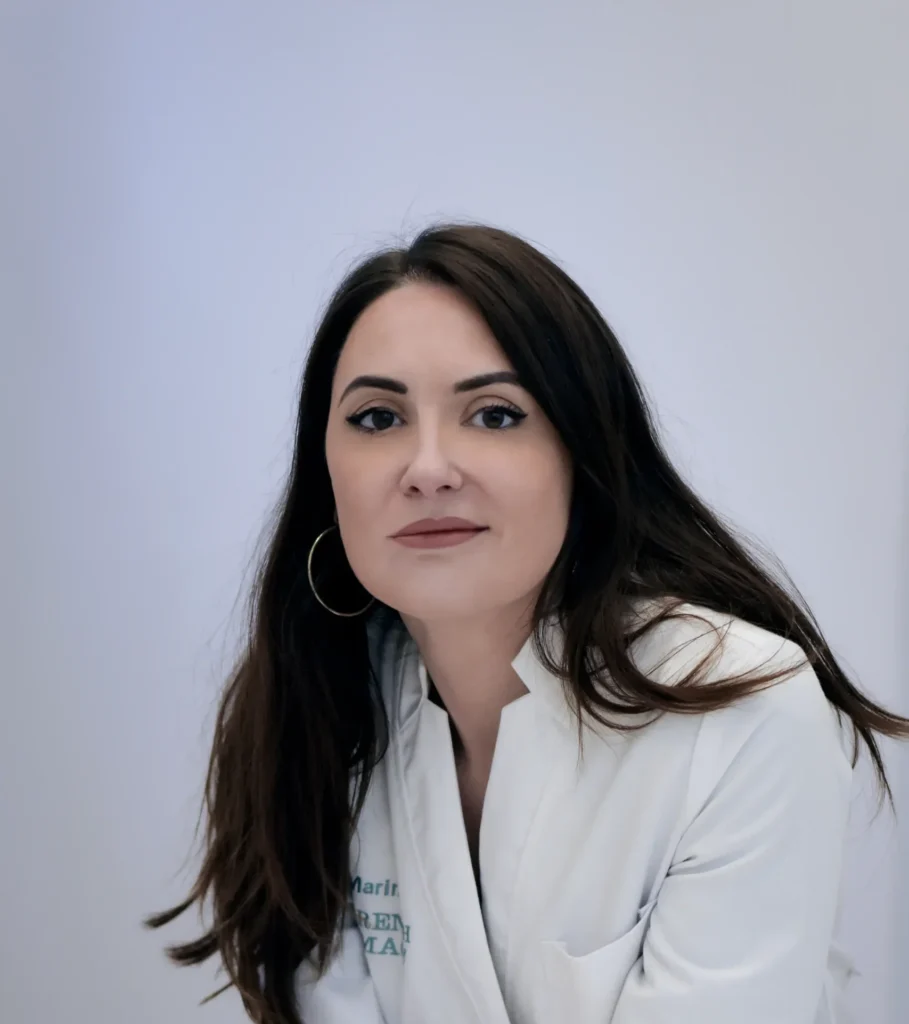
Maja Wilinska on education, ethics, and raising the standard in modern aesthetics True expertise in aesthetics is not only defined by results, but by the responsibility behind them. Maja Wilinska has built her career on this belief, combining years of hands-on experience with a clear vision for education that prioritizes safety, skill, and integrity. As the founder of MW Beauty Academy in London, she is shaping the next generation of practitioners through structured training and real-world experience. In this exclusive feature with Meri & Rime, she shares how discipline, ethics, and continuous learning are redefining success in the beauty industry. My journey in the beauty and aesthetics industry began many years ago when I first started working as a practitioner. Over time, I developed my skills through direct experience with clients and ongoing professional growth. The idea for MW Beauty Academy came from a desire to create a space where aspiring practitioners could receive structured education combined with real practical experience. I wanted to support students in building confidence, while also ensuring they develop safe and responsible treatment practices from the very beginning of their careers. The aesthetics industry is evolving rapidly, and professionals today must continuously expand their knowledge. Strong technical skills are essential, but they are only one part of the foundation. Equally important are consultation skills, a deep understanding of facial anatomy, and maintaining high standards of hygiene and safety. Communication and empathy also play a crucial role, as trust between practitioner and client is at the heart of every successful treatment. Practical experience is one of the most important aspects of learning in this field. Theory alone is not enough to prepare someone for real clinical scenarios. Working with live models under supervision allows students to gain confidence and understand the realities of treatment. It teaches them how to conduct consultations, assess facial structure, and make responsible decisions based on individual needs. This hands-on approach is what transforms knowledge into true competence. Accreditation plays a vital role in maintaining professional standards within the industry. It ensures that training programs follow recognized guidelines and support continuous professional development. At MW Beauty Academy, we place strong emphasis on structured education and work alongside recognized organizations such as VTCT to support high quality training. This helps students build credibility and confidence as they progress in their careers. One of the most noticeable trends in the aesthetics market today is the shift toward natural looking results. Clients are increasingly seeking subtle enhancements rather than dramatic transformations. There is also a growing focus on improving skin quality and investing in preventative treatments. This reflects a more informed and balanced approach to beauty, where long term results are valued over quick fixes. Building a career in aesthetics requires a very specific mindset. Dedication, patience, and a willingness to continue learning are essential. This is not an industry where success happens overnight. Practitioners must approach their work with responsibility and respect for client wellbeing, while consistently refining their skills and knowledge over time. Safety and ethical practice are at the core of everything we teach at MW Beauty Academy. Students are trained in consultation procedures, identifying contraindications, maintaining hygiene protocols, and making ethical decisions in every situation. We emphasize that responsible practice always prioritizes the wellbeing of the client above all else. This foundation is what builds trust and ensures long term success in the industry. Being based in London provides a unique advantage. It is one of the most dynamic beauty markets in the world, constantly evolving with new trends, technologies, and international influences. This environment allows us to stay connected to global developments and ensure that our training programs remain modern, relevant, and aligned with the highest industry standards. Social media has become an important tool within the beauty industry, but it must be used responsibly. While it offers opportunities for visibility and communication, it should never replace proper training and professional experience. Practitioners need to maintain transparency, professionalism, and credibility in how they present their work online. True expertise cannot be replaced by digital presence alone. There are many misconceptions about becoming an aesthetic practitioner. One of the most common is the belief that it is a quick and easy career path. In reality, it requires continuous education, practice, and a strong sense of responsibility. Professional training and ongoing development are essential to building both skill and confidence. Without this foundation, it is impossible to provide safe and effective treatments. Maja Wilinska’s vision for aesthetics goes far beyond technique. It is rooted in education, discipline, and a commitment to doing things the right way. In an industry that continues to grow rapidly, her work stands as a reminder that true success is built on knowledge, integrity, and respect for the craft. Through MW Beauty Academy, she is not only training practitioners, she is shaping a future where beauty is practiced with care, responsibility, and purpose.

Maja Wilinska, Building Beauty With Integrity, Inside the Vision of MW Beauty Academy Read More »

Mariam Mohamed, A Crown With Purpose, Emirati Voice on Global Stage

Mariam Mohamed, A Crown With Purpose, Emirati Voice on Global Stage

Mariam Mohamed on identity, empowerment, and representing a new global narrative Strength, grace, and quiet determination define Mariam Mohammad, a woman whose journey extends far beyond the title she holds. As the first Emirati Miss Universe UAE 2025, she represents a powerful shift in visibility, identity, and global presence for Arab women. With a voice rooted in authenticity and purpose, she is not only embracing her own path but opening doors for others to step forward with confidence. In this exclusive conversation with Meri & Rime, Mariam shares the meaning behind her milestone and the values that continue to guide her. Becoming the first Emirati Miss Universe UAE 2025 was truly an incredible honor and a defining moment in my life. This milestone meant far more than a personal achievement. It represents an opportunity to inspire others and to show the world that Arab women belong on global stages. We have voices, talents, and stories that deserve to be celebrated internationally. We are ambitious and deeply rooted in our values, yet we are also part of a modern and evolving global conversation.  To me, a modern beauty queen is someone who leads with authenticity, compassion, and purpose. I truly believe that every woman is a queen in her own way, whether she is working hard, overcoming challenges, or striving to grow. Beauty is not defined by appearance alone. It is reflected in how you treat others and how you make people feel. When you stay true to yourself, no external opinion can define you. A true queen not only shines on her own but empowers others to shine alongside her. My academic background in Economics, along with my studies in international business, has played an important role in shaping my perspective. It has given me a deeper understanding of global cultures and the importance of connection, adaptability, and collaboration. These qualities are essential in both the pageant world and in life. I have always been passionate about building connections across cultures, and my education has strengthened that ability. I believe in being Brave, being Kind and Empowering others, this comes directly from my personal experiences and beliefs. I have always believed in courage and in taking steps toward your goals, even when it feels uncertain. Books like Feel the Fear and Do It Anyway by Susan Jeffers have had a powerful influence on my mindset, teaching me that growth comes from stepping outside of your comfort zone. At the same time, I have learned that strength can take many forms. Quiet: The Power of Introverts in a World That Can’t Stop Talking by Susan Cain showed me that you do not have to be loud to be powerful. There is space for everyone to succeed in their own way. Kindness has also been a defining part of my journey. I have experienced how even a few genuine words of support can uplift and empower someone. Being surrounded by strong and kind women from around the world showed me that kindness is not something small. It is transformative. It has the power to inspire, to heal, and to help others keep moving forward. True empowerment comes from supporting one another, from choosing collaboration over comparison, and from creating space where everyone can grow and succeed together. I am incredibly proud of the values that define Emirati culture, especially our hospitality, kindness, and generosity. Representing my country on a global stage allowed me to share these values with the world. Wearing my traditional costume was a particularly meaningful moment, as it showcased the beauty and creativity of Emirati design. I also deeply valued the opportunity to connect with participants from different countries. Learning about other cultures while sharing my own was one of the most rewarding aspects of the experience. This journey has taught me the true meaning of dedication, discipline, and resilience. It is an opportunity and also an experience that makes you stronger. I have learned that success is built on consistency, passion, and the ability to keep believing in yourself . I feel incredibly grateful for everything this experience has taught me. Staying authentic on social media is something I prioritize deeply. I remind myself that being genuine is my greatest strength. I focus on sharing my real journey, my growth, my goals, and my values. It is important to remain aligned with who you are and what you believe in. Throughout my journey, I stayed true to myself, and I believe that authenticity is something people can truly feel. In my opinion platforms like Miss Universe play a significant role in amplifying female voices and connect to global audience. They provide a global stage where women can share their stories, connect with others, and inspire change. It is a space where ideas can grow, where voices can be heard, and where women can uplift one another on an international level. Maintaining confidence and resilience in the public eye comes from protecting my mindset and energy. I choose to focus on positivity and surround myself with supportive people. I remain committed to my personal growth and my goals. I also believe that criticism often reflects the perspective of the person giving it, not the person receiving it. Building emotional strength and self awareness is essential in staying grounded and confident. Mariam Mohammad represents a new chapter in the narrative of beauty, one defined not by stereotypes, but by authenticity, purpose, and strength. Her journey is a reminder that true impact comes from within, from the courage to be yourself and the willingness to uplift others along the way. As she continues to use her voice on a global stage, she carries with her not only the pride of her heritage, but the promise of a more inclusive and empowered future.

Mariam Mohamed, A Crown With Purpose, Emirati Voice on Global Stage Read More »

alexandra daddario

Alexandra Daddario, A Spell of Beauty and Power, Where Glamour Meets Something Darker and Irresistible

There are moments in modern screen culture when an actress does not simply arrive but lingers, like perfume in a dimly lit room, impossible to ignore and even harder to forget. Alexandra Daddario has entered that rarefied space with a quiet certainty, her presence at once luminous and enigmatic, her beauty almost mythic, and her career now touched by the kind of momentum that feels less like success and more like destiny. In Mayfair Witches, she inhabits Rowan Fielding, a woman caught between science and sorcery, intellect and inheritance. The series, drawn from the gothic imagination of Anne Rice, has become a cornerstone of AMC’s supernatural canon, deepening its hold on audiences who crave something sensual, shadowed and emotionally charged. What Daddario brings to Rowan is not merely performance but atmosphere. She does not play the witch so much as she suggests the inevitability of becoming one. There is a particular kind of glamour that cannot be styled or manufactured, something that exists in the architecture of a face, in the way light settles across it, in the quiet confidence of stillness. Daddario has long possessed this quality. From earlier roles that flirted with mainstream recognition to her quietly arresting turn in The White Lotus, she has cultivated an image that resists easy definition. She is not only beautiful in the conventional sense, though her wide blue gaze has become almost iconic, but compelling in a way that feels cinematic, reminiscent of a different era where beauty carried narrative weight. And yet, it is in Mayfair Witches that her allure finds its most fitting canvas. The series itself unfolds like a decadent dream, all candlelight and consequence, where lineage is a burden and desire is never uncomplicated. As Rowan Daddario moves through this world with a kind of restrained intensity, her elegance sharpened by vulnerability. The character is a neurosurgeon, rational and precise, yet drawn into a legacy of power that is anything but orderly, a duality that mirrors Daddario’s own screen persona. To speak of her beauty, though, is to step into more subjective territory, and yet it feels almost unavoidable. There is a reason her image circulates with such fascination, why she is so often described in language reserved for the extraordinary. It is not simply symmetry or proportion, but the way her features seem to hold emotion just beneath the surface. She appears both present and distant, modern and timeless, as though she belongs equally to the present moment and to a more romantic, less hurried past. In an industry that often prizes immediacy, she offers something slower, something that invites looking rather than demanding it. Her career, once defined by flashes of recognition, now feels coherently ascendant. Each role has added a layer, a subtle recalibration of how she is perceived. There is a growing sense that Daddario is no longer simply cast but chosen, that her presence brings with it a certain aesthetic promise. She embodies a kind of femininity that is neither overtly performative nor entirely accessible, a balance that places her firmly within the lineage of screen icons who captivate without ever fully revealing themselves. What makes her current moment particularly compelling is how seamlessly it merges performance with persona. The world of Mayfair Witches is one of seduction and danger, of beauty intertwined with something more unsettling, and Daddario fits within it as though she has always belonged there. Her glamour is not ornamental but intrinsic to the narrative, her presence shaping the tone as much as the script itself. There is, perhaps, a quiet understanding forming around her now, an acknowledgement that she occupies a rare space where talent, timing and an almost otherworldly beauty converge. To call her one of the most attractive women in the world is less a statement of comparison and more an observation of effect. She alters the atmosphere of a scene simply by entering it, drawing the eye not through insistence but through inevitability. And as her trajectory continues to unfold, there is a sense that we are only beginning to understand the breadth of what she might become. The roles ahead will likely deepen, darken, perhaps even surprise, but the essence will remain. That rare, ineffable quality that makes an audience lean in, that turns performance into presence and presence into something close to myth. In a culture saturated with fleeting images, Alexandra Daddario endures, not just as a figure of beauty, but as a lasting vision of it.

Alexandra Daddario, A Spell of Beauty and Power, Where Glamour Meets Something Darker and Irresistible Read More »

Why Beauty Trends Are Moving Away From Perfection

Why Beauty Trends Are Moving Away From Perfection

Perfection once defined beauty. Smooth skin, symmetrical features, and carefully curated routines dominated both advertising and everyday aspiration. Yet increasingly, that polished ideal is losing its appeal. A new beauty philosophy is emerging, one that embraces imperfection as its defining characteristic. This shift is rooted in a growing awareness of how unrealistic standards have shaped self perception. Years of filtered images and edited campaigns created a narrow definition of beauty that few could achieve. The result was not inspiration but fatigue. People began to question why beauty felt so unattainable. The answer lies in authenticity. Modern beauty trends are moving toward what feels real rather than what looks flawless. Smudged eyeliner, visible texture, and unconventional color choices are gaining popularity because they reflect lived experience. They acknowledge that beauty does not exist in a vacuum. There is also a cultural element at play. As conversations around identity and representation expand, beauty is no longer seen as a singular ideal but as a spectrum. Different skin tones, facial features, and personal styles are being celebrated in ways that were previously overlooked. Imperfection becomes a form of individuality. Technology has played a paradoxical role in this transformation. While filters once dominated social platforms, there is now a growing movement to reject them. Users are increasingly drawn to content that feels unedited and spontaneous. This has influenced brands to rethink how they present products, favoring transparency over illusion. The concept of effortlessness has also evolved. Previously, it implied achieving perfection without visible work. Now, it suggests embracing what is natural without excessive correction. This subtle but significant change reflects a broader cultural desire for honesty. Makeup itself has become more experimental. Instead of concealing flaws, it is being used as a tool for expression. Bold colors, graphic lines, and unconventional textures are replacing traditional techniques aimed at correction. The face becomes a canvas rather than something to fix. Skincare trends mirror this philosophy. The focus has shifted from aggressive treatments to maintaining balance. Healthy skin is no longer defined by flawlessness but by resilience. This approach recognizes that skin changes over time and that those changes are not inherently negative. The influence of younger generations cannot be ignored. They approach beauty with a sense of playfulness and fluidity. Rules are seen as suggestions rather than requirements. This openness has encouraged a more inclusive and dynamic understanding of what beauty can be. Ultimately, the move away from perfection reflects a deeper cultural transformation. It is about reclaiming ownership over one’s appearance and rejecting standards that feel imposed. Beauty becomes less about achieving an ideal and more about expressing identity. In this new landscape, imperfection is not something to hide but something to embrace. It adds character, depth, and authenticity. It reminds us that beauty is not a fixed standard but a constantly evolving conversation.

Why Beauty Trends Are Moving Away From Perfection Read More »

Chrome Nostalgia and the Return of Icy Blue

Chrome Nostalgia and the Return of Icy Blue

Beauty has always moved in cycles, but every so often a revival feels less like repetition and more like reinvention. This season marks the arrival of what many insiders are calling the Icy Blue Renaissance, a vivid resurgence of frosted lids and crystalline finishes that nod to the late 1990s and the hyper glossed glamour of 2016, yet feel decisively modern. Nostalgia has rarely looked so polished. The powdery pastels of decades past have been replaced with high pigment metallic blues, liquid silvers and light catching textures that gleam under both runway lights and smartphone cameras. It is a maximalist exhale after years of restrained minimalism. For much of the early 2020s, the dominant aesthetic was pared back and intentionally effortless. Skin was dewy but subdued, eyes were softly defined, and colour was used sparingly if at all. The so called Clean Girl look prioritised grooming over glamour, with brushed brows, neutral tones and barely there lips. While it celebrated natural features, it also fostered a certain uniformity. Faces began to blur into one another across social platforms, each glowing in the same muted palette. The re emergence of icy blue feels like a playful rebellion against that sameness. It signals a renewed appetite for artifice, performance and joy. The modern interpretation of icy blue eyeshadow is far removed from the chalky formulations that once dominated bathroom cabinets. Advances in cosmetic chemistry have transformed what metallic pigment can achieve. Contemporary shadows are saturated, finely milled and often infused with reflective particles that create a molten effect across the lid. Rather than sitting flatly on the skin, they shift with movement, catching the light in a way that feels almost liquid. Cream to powder hybrids and foil finish formulas allow for seamless blending while maintaining intensity. The result is a statement eye that looks editorial rather than nostalgic caricature. Runways have been instrumental in reframing the shade. Designers have paired sheets of frosted blue with sharply tailored silhouettes, sleek hair and sculpted complexions, creating a tension between cool futurism and retro charm. The colour has been swept boldly across the entire lid, extended towards the brow bone or diffused into a smoky haze that reads both icy and sultry. In some shows, it has been combined with equally reflective inner corner highlights, amplifying the sense of crystalline drama. The message is clear. This is not a timid wash of pastel but a confident stroke of pigment designed to be seen. Equally central to the renaissance is the return of doll like clustered lashes. Rather than the feathery, brushed out effect favoured in recent years, lashes are being grouped into defined sections that frame the eye with deliberate exaggeration. The influence of 1960s mod beauty lingers here, but the execution feels sharper and more graphic. Individual clusters are placed strategically to create a wide eyed, almost animated effect. When set against metallic blue lids, the contrast is striking. The coolness of the shadow intensifies the depth of the lashes, giving the gaze a hypnotic clarity. Social media has accelerated the spread of this aesthetic, yet it has also democratised its interpretation. Beauty enthusiasts experiment with placement, pairing icy tones with glossy lips, sculpted cheeks or even bare skin to balance the drama. Some lean fully into the frost, layering shimmer upon shimmer for a high shine finish that borders on theatrical. Others soften the look by blending the blue into charcoal or soft grey, creating dimension without overwhelming the face. The versatility of the shade is part of its appeal. It can read ethereal, futuristic, rebellious or romantic depending on context. Culturally, the timing feels significant. After prolonged periods of uncertainty and restraint, there is a collective craving for expression. Makeup becomes a form of escapism, a small but potent assertion of individuality. The resurgence of icy blue speaks to a willingness to be noticed again. It embraces a certain artificiality without apology, acknowledging that beauty can be playful and self aware. Where minimalism sought authenticity through subtlety, this new wave finds authenticity in bold self presentation. There is also a generational dialogue at play. For those who came of age in the late 1990s or mid 2010s, the shade carries emotional resonance. It evokes teenage experimentation, glossy magazines and the early days of digital beauty culture. For younger consumers, it feels fresh and ironic, a colour unburdened by personal memory. This dual appeal allows the trend to bridge age groups, uniting them in a shared moment of rediscovery. Importantly, the modern icy blue eye is rarely worn in isolation. Skin remains polished and intentional, often with a satin or softly luminous base that prevents the look from tipping into costume. Complexion products have evolved alongside eye formulas, offering lightweight coverage that perfects without masking. Contour and highlight are applied with precision, sculpting the face so that the cool tone of the shadow appears integrated rather than jarring. Lips are frequently kept neutral or finished with a clear gloss, allowing the eyes to command attention. The renaissance also reflects broader shifts within the beauty industry. Consumers are increasingly interested in texture and finish as much as colour. Frosted no longer implies flat shimmer but rather a spectrum of reflective possibilities, from finely dispersed pearl to mirror like chrome. Brands have responded by investing in innovative pigments and sustainable packaging, recognising that visual impact must be paired with ethical credibility. The new metallics are often formulated without heavy metals, designed to deliver intensity without compromising comfort or safety. As with any bold trend, there are risks. Poorly blended blue can overwhelm the eye or clash with undertones if chosen carelessly. The key lies in undertone awareness and application technique. Cooler complexions may gravitate towards silvery blues, while warmer skin tones can experiment with teal infused metallics that harmonise with natural warmth. Strategic placement, such as concentrating pigment at the centre of the lid or along the lower lash line, allows for drama without excess. The sophistication of the renaissance lies in these

Chrome Nostalgia and the Return of Icy Blue Read More »

The Salmon DNA Surge and the Age of Cellular Repair

The Salmon DNA Surge and the Age of Cellular Repair

In clinics from Seoul to London, a single acronym is being spoken with increasing reverence. PDRN, short for Polydeoxyribonucleotide, has moved swiftly from specialist dermatology circles into the mainstream vocabulary of skincare. Derived from fragments of salmon DNA and refined through meticulous purification processes, this regenerative compound is now positioned as one of the most compelling ingredients of the year. Once associated primarily with advanced K beauty treatments, it has evolved into a global phenomenon, championed as a barrier builder capable of repairing skin at a cellular level and delivering luminosity that appears to originate from within. The fascination with PDRN reflects a broader shift in how we think about skincare. For years, the industry was dominated by exfoliating acids, retinoids and brightening agents designed to resurface and correct. While these ingredients remain valuable, there has been a growing recognition that aggressive treatment without adequate repair can compromise the skin barrier. Consumers have become increasingly educated about transepidermal water loss, inflammation and the delicate microbiome that protects the epidermis.  The new priority is resilience. Radiance is no longer pursued through stripping and polishing alone but through rebuilding and strengthening. PDRN sits perfectly within this regenerative narrative. Polydeoxyribonucleotides are chains of nucleotides that serve as the building blocks of DNA. In medical settings, PDRN has long been used to promote wound healing and tissue repair due to its ability to stimulate cellular regeneration. When introduced into the skin, it interacts with specific receptors that encourage fibroblast activity, enhance collagen synthesis and support microcirculation. The result is improved elasticity, reduced inflammation and accelerated recovery from environmental stress. The choice of salmon as a source is not arbitrary. Salmon DNA shares a high degree of compatibility with human DNA, allowing it to be safely utilised once purified and processed. Through advanced extraction techniques, the DNA fragments are isolated, sterilised and refined into a biocompatible compound. In both injectable treatments and topical formulations, these fragments act as signalling molecules, prompting the skin to repair itself more efficiently. This biological dialogue between ingredient and tissue is what distinguishes PDRN from surface level hydrators or temporary plumpers. Dermatologists frequently describe PDRN as a barrier builder, and for good reason. The skin barrier, composed primarily of lipids and structural proteins, functions as a shield against pollution, ultraviolet radiation and moisture loss. When compromised, it leads to dryness, sensitivity and a dull appearance. By supporting cellular turnover and reinforcing the extracellular matrix, PDRN helps restore integrity to this protective layer. Patients often report that their skin feels calmer and less reactive within weeks, with a subtle but noticeable improvement in texture. One of the most compelling aspects of PDRN is the quality of glow it produces. Unlike high shine finishes created by heavy occlusives or reflective particles, the luminosity associated with PDRN is often described as glass like from the inside out. This phrase, once synonymous with layered hydrating toners and meticulous sheet masking routines, now carries a deeper meaning. The smoothness is not merely cosmetic but structural. As collagen density improves and inflammation subsides, light reflects more evenly across the skin surface. Fine lines appear softened not because they have been filled, but because the tissue beneath them has become more robust. The migration of PDRN from injectable treatments to topical serums has accelerated its popularity. In clinical settings, PDRN injections are used to target areas of thinning skin, acne scarring or post procedure recovery. However, advances in formulation technology have enabled brands to encapsulate PDRN in serums designed for daily use. Encapsulation techniques protect the molecule and enhance its penetration, ensuring it reaches viable layers of the epidermis. This accessibility has transformed PDRN from an insider secret into a retail sensation. The timing of its ascent is no coincidence. In the aftermath of years marked by stress, disrupted routines and increased screen exposure, many individuals have experienced heightened skin sensitivity and barrier impairment. Blue light, pollution and fluctuating indoor climates have taken their toll. Against this backdrop, an ingredient that promises restoration rather than exfoliation feels particularly appealing. The narrative of regeneration resonates in a culture increasingly drawn to longevity and preventative care. Critically, PDRN does not function in isolation. Its effectiveness is amplified when paired with complementary ingredients such as hyaluronic acid, ceramides and peptides. Hyaluronic acid attracts and retains moisture, providing the hydrated environment necessary for optimal cellular function. Ceramides replenish lipids within the barrier, while peptides further encourage collagen production. Together, they create a supportive ecosystem in which PDRN can perform at its best. The synergy between these components reflects a more sophisticated understanding of skin as an interconnected system rather than a canvas for isolated actives. There are, of course, considerations. As with any bioactive ingredient, quality and concentration matter enormously. Not all formulations contain clinically meaningful levels of PDRN, and purification standards can vary. Reputable brands invest in rigorous testing to ensure safety and efficacy, particularly given the marine origin of the compound. For individuals with specific allergies or ethical concerns related to animal derived ingredients, consultation with a professional is advisable. Transparency around sourcing and processing is becoming a key differentiator in a crowded market. The enthusiasm surrounding PDRN also speaks to a larger movement within beauty towards regenerative science. Consumers are increasingly intrigued by ingredients that engage directly with cellular pathways, whether through growth factors, stem cell derivatives or nucleotides. The language of skincare has become more medical, reflecting a desire for credibility and measurable results. PDRN embodies this intersection between cosmetic elegance and clinical substance. If current trajectories continue, it is likely that by early spring PDRN will feature prominently in serums, ampoules and even hybrid complexion products. What began as a niche treatment in select clinics has evolved into a symbol of the industry’s regenerative turn. It represents a departure from quick fixes and a commitment to deeper repair. The promise is not instant perfection but gradual strengthening, a rebuilding of the skin’s architecture that manifests as clarity and calm. In many ways, the rise of salmon

The Salmon DNA Surge and the Age of Cellular Repair Read More »

From Acne to Acceptance: Why Gen Z Treats Skin Like a Lifestyle, Not a Problem

From Acne to Acceptance, Why Gen Z Treats Skin Like a Lifestyle, Not a Problem

In the mirror-lit glow of a bustling college dorm, 22-year-old Mia pauses her morning routine. Instead of slathering on a thick layer of concealer to hide a fresh breakout, she snaps a selfie, blemishes and all, and posts it with the caption: “Skin’s having a moment, but so am I.” This isn’t rebellion; it’s revolution. For Generation Z, born between 1997 and 2012, skincare has evolved beyond the battle against imperfections. Acne, once a teenage nemesis warranting aggressive scrubs and spot treatments, is now part of a broader narrative of self-acceptance and holistic wellness. But why this shift? And what does it mean for the beauty industry? Let’s dive into the world where skin isn’t a problem to solve but a canvas for living. The Evolution of Skincare: From Fix-It to Feel-Good Remember the ’90s and early 2000s? Skincare ads screamed promises of “flawless” complexions, pushing products that stripped away oils and zapped zits with harsh chemicals like benzoyl peroxide at maximum strength. For millennials and older generations, skin issues were enemies to eradicate, often at the cost of irritated barriers and endless cycles of rebound breakouts. Enter Gen Z, a cohort raised on Instagram filters, TikTok tutorials, and a global pandemic that forced introspection. They’ve flipped the script. Today, in 2026, Gen Z views skin as an extension of their identity, much like their playlists or wardrobes. A survey from beauty trend forecasters indicates that over 70% of young adults under 25 prioritize “skin health” over “perfection,” opting for routines that nurture rather than punish. This mindset stems from a cultural pivot toward authenticity. “Acne isn’t a flaw; it’s feedback,” says dermatologist Dr. Elena Vasquez, a voice in the rising skin positivity movement. “Gen Z understands that stress, hormones, and even gut health play roles in treating it as a lifestyle means addressing the root, not just the surface.” What makes this approach so magnetic? It’s empowering. Imagine waking up to a pimple and, instead of panic, reaching for a gentle cleanser infused with calming botanicals. This acceptance doesn’t mean ignoring issues; it means integrating care into daily life, turning routines into rituals that boost mood and confidence. Social Media’s Role: Filters Out, Realness In Scroll through TikTok, and you’ll find #SkinPositivity videos amassing billions of views, creators baring textured skin, rosacea flares, and post-acne marks without apology. Gen Z, digital natives, have harnessed platforms to democratize beauty. Influencers like 20-year-old skincare enthusiast Jordan Lee share unfiltered journeys: “I used to hide my acne with heavy makeup, but now I celebrate my progress. It’s about progress, not perfection.” This transparency combats the isolation many felt in previous eras. Mental health awareness, amplified by apps and online communities, links skin struggles to emotional well-being. Studies show that 60% of Gen Z reports anxiety tied to appearance, yet they’re twice as likely as millennials to seek therapy alongside skincare. Brands have noticed: Lines like “Barrier Boost” serums emphasize repair over eradication, using ingredients like ceramides and hyaluronic acid to fortify the skin’s natural defenses. Moreover, inclusivity reigns. Gen Z demands representation—products for all tones, textures, and concerns. Gone are the days of one-size-fits-all; personalized quizzes on apps guide users to tailored regimens, blending tech with self-care. Picture an AI-powered mirror analyzing your skin’s needs based on sleep data from your wearable device. It’s not sci-fi; it’s 2026 reality, making skincare feel like a personalized adventure rather than a chore. Holistic Habits: Skin as a Reflection of Life What truly sets Gen Z apart is their holistic lens. Skincare isn’t isolated—it’s intertwined with lifestyle choices. “Skin is my barometer for wellness,” explains 24-year-old wellness blogger Alex Rivera. “If I’m breaking out, I check my diet, hydration, or even my workout routine.” This generation favors “skinimalism” streamlined routines with multifunctional products that do more with less. A single serum might hydrate, brighten, and protect, freeing time for what matters: friends, hobbies, or activism. Key trends underscore this: Regenerative ingredients like PDRN (derived from natural sources) promote long-term resilience, while peptides and ectoin shield against environmental stressors. Sustainability matters too. Gen Z boycotts wasteful packaging, opting for refillable jars and clean, plant-based formulas. “We’re not just consumers; we’re conscious,” says Rivera. Ethical sourcing, from fair-trade botanicals to cruelty-free testing, aligns with their values, turning purchases into statements. Nutrition plays a starring role. Probiotic-rich foods and supplements support the gut-skin axis, reducing inflammation that fuels acne. Sleep trackers remind users that quality rest equals radiant skin, while stress-busting practices like meditation apps integrate seamlessly. Even fitness ties in: Yoga sessions for circulation, or hikes for vitamin D absorption. It’s a full-circle approach, skin thrives when life does. But let’s get real: This isn’t always easy. Economic pressures mean affordable options are crucial. Drugstore dupes for high-end actives make acceptance accessible, proving luxury isn’t a prerequisite for loving your skin. The Industry’s Awakening: Brands on Board Beauty giants are racing to catch up. In 2026, launches emphasize “acceptance-first” messaging campaigns featuring diverse models with visible pores or scars. Indie brands like Glow Collective thrive by co-creating with Gen Z via social polls, ensuring products resonate. “We’re seeing a boom in barrier-repair lines,” notes beauty analyst Sarah Kline. “Gen Z’s influence has shifted R&D toward gentle, science-backed innovations that prevent issues proactively.” Take the rise of “mood-boosting” skincare: Scents like lavender for calm or citrus for energy elevate routines to sensory experiences. Tools like LED masks, once niche, are now staples, offering at-home glow-ups without invasive procedures. And with menopause-targeted care gaining traction, the conversation expands beyond youth, fostering intergenerational dialogue. Yet, challenges linger. Overconsumption tempts via viral trends, but Gen Z counters with education debunking myths like “more actives equal better results.” Their mantra? Balance. By treating skin as a lifestyle, they avoid burnout, both literal and figurative. Embracing the Journey: What’s Next? As we look ahead, Gen Z’s philosophy promises a kinder beauty landscape. Acne to acceptance isn’t just a tagline; it’s a movement redefining self-worth. Imagine a world where your skin’s story is

From Acne to Acceptance, Why Gen Z Treats Skin Like a Lifestyle, Not a Problem Read More »

Are We Enhancing or Editing Ourselves? The Psychology Behind Aesthetic Obsession explores beauty culture, self-image, social validation, and modern identity.

The Psychology Behind Aesthetic Obsession, Are We Enhancing or Editing Ourselves?

In an era dominated by digital perfection, where a single filter can redefine your features in seconds, it’s worth pausing to reflect: are we truly enhancing our natural selves, or are we editing away the very qualities that make us unique? The world of beauty, glamour, and wellness has never been more accessible, with skincare regimens promising eternal radiance, cosmetic procedures offering tailored transformations, and social media serving as the ultimate showcase. Yet, this pursuit often ventures beyond mere self-care into a deeper psychological territory, an obsession with aesthetics that can either empower or undermine our sense of identity. As we unpack the mental underpinnings of this phenomenon, we’ll examine how societal pressures, digital influences, and personal motivations intertwine, drawing from psychological insights to encourage a more mindful approach to beauty. Whether you’re a skincare enthusiast or someone contemplating a subtle tweak, understanding these dynamics can help you navigate the fine line between healthy enhancement and compulsive alteration. The Digital Mirror: How Social Media Fuels the Fire Imagine logging into your favorite app only to be greeted by a parade of impeccable complexions, chiseled contours, and physiques that appear effortlessly ideal. Social media has transformed into a relentless curator of beauty standards, where algorithms prioritize content that embodies societal ideals of flawlessness. This isn’t just passive viewing; it’s an immersive experience that reshapes how we see ourselves. Platforms like Instagram and TikTok create virtual echo chambers, amplifying trends that celebrate narrow definitions of attractiveness such as dewy skin, sharp jawlines, and ageless vitality. The result? A distorted self-image where our unfiltered reflections feel inadequate by comparison. The psychological toll of this exposure is significant and multifaceted. Regular encounters with heavily edited images and influencer lifestyles can breed profound feelings of inadequacy, igniting a vicious cycle of comparison that erodes self-esteem. Research from various studies underscores this impact, revealing heightened levels of body dissatisfaction, particularly among adolescents and young adults who are still forming their identities. Viral trends such as “thinspo” (short for thin inspiration) and “fitspo” (fitness inspiration) glamorize extreme body ideals, often portraying them as achievable through sheer willpower, while downplaying the role of genetics, privilege, or digital manipulation. These movements can subtly normalize disordered behaviors, where the quest for likes overshadows genuine health. Moreover, the ubiquity of editing tools, filters, apps like Facetune, and AI-driven enhancements further blurs the boundary between reality and fabrication. This can exacerbate conditions like body dysmorphic disorder (BDD), a mental health issue where individuals fixate on imagined or minor flaws, leading to obsessive thoughts and behaviors. In BDD, what might start as a casual scroll evolves into hours spent scrutinizing one’s appearance, sometimes culminating in unnecessary interventions. Psychologists point out that this isn’t mere vanity; it’s tied to our evolutionary wiring for social belonging. In primitive times, fitting in meant survival; today, it translates to garnering digital validation through hearts and comments, which release dopamine hits akin to rewards. Younger generations, in particular, are vulnerable. As one expert observes, the influx of polished content can instill a “sense of inferiority,” prompting teens to seek confidence cues from influencers rather than internal sources. This external reliance can hinder emotional development, fostering anxiety when real-life appearances don’t match the curated online persona. Consider the rise of “Snapchat dysmorphia,” where users request surgeries to mimic their filtered selves, highlighting how technology isn’t just reflecting society—it’s reshaping it. To counter this, awareness is key: recognizing that behind every perfect post is often a team of editors, lighting experts, and perhaps even professional retouchers can help reclaim a more grounded perspective. The Fine Line: Enhancement vs. Editing Distinguishing between enhancement and editing is crucial in this aesthetic landscape. Enhancement typically involves practices that nurture and amplify your inherent qualities—think a consistent skincare routine that promotes a healthy glow, or regular exercise that builds strength and vitality. These actions stem from a place of self-love, aiming to feel better in your skin without fundamentally altering your core features. Editing, conversely, often crosses into territory driven by discontent, such as serial cosmetic procedures or extreme diets aimed at conforming to external ideals rather than personal fulfillment. At the heart of this distinction lies motivation, influenced by psychological factors like self-esteem and cultural conditioning. Low self-worth, amplified by media narratives that equate beauty with success, can propel individuals toward drastic changes. The “Zoom boom” phenomenon during the global pandemic exemplifies this: with video calls becoming the norm, self-scrutiny skyrocketed, leading to a notable increase in aesthetic procedures among those under 30. What began as a way to address pandemic-induced isolation morphed into a broader trend, where virtual meetings highlighted perceived imperfections like under-eye bags or asymmetrical features. However, this path can be precarious. Psychologists warn that while initial tweaks might provide a temporary lift, they can spiral into obsessive patterns if underlying issues aren’t addressed. It’s akin to a feedback loop: one procedure satisfies a flaw, only to spotlight another, perpetuating dissatisfaction. Cultural contexts play a role too; in societies where youth and symmetry are prized, such as in Western media or K-beauty influences from Asia, the pressure intensifies. Gender dynamics add layers. Women often face more scrutiny, but men are increasingly affected by ideals of muscularity and hair restoration. Exploring personal stories can illuminate this. Take someone who opts for lip fillers to enhance a smile they’ve always loved versus another who does it to mimic a celebrity’s pout, driven by insecurity. The former might experience lasting confidence; the latter could find the change never quite “enough.” To navigate this, introspection is vital: asking “Why am I doing this?” can reveal whether it’s enhancement rooted in joy or editing fueled by fear. The Upside: When Aesthetics Empower Amid the cautions, it’s essential to acknowledge the empowering potential of aesthetic pursuits. When undertaken thoughtfully, these choices can profoundly uplift mental health. Psychological research supports this, showing that cosmetic interventions ranging from non-invasive treatments like Botox to more involved surgeries frequently result in enhanced self-esteem, diminished social anxiety, and an overall

The Psychology Behind Aesthetic Obsession, Are We Enhancing or Editing Ourselves? Read More »