Fashion

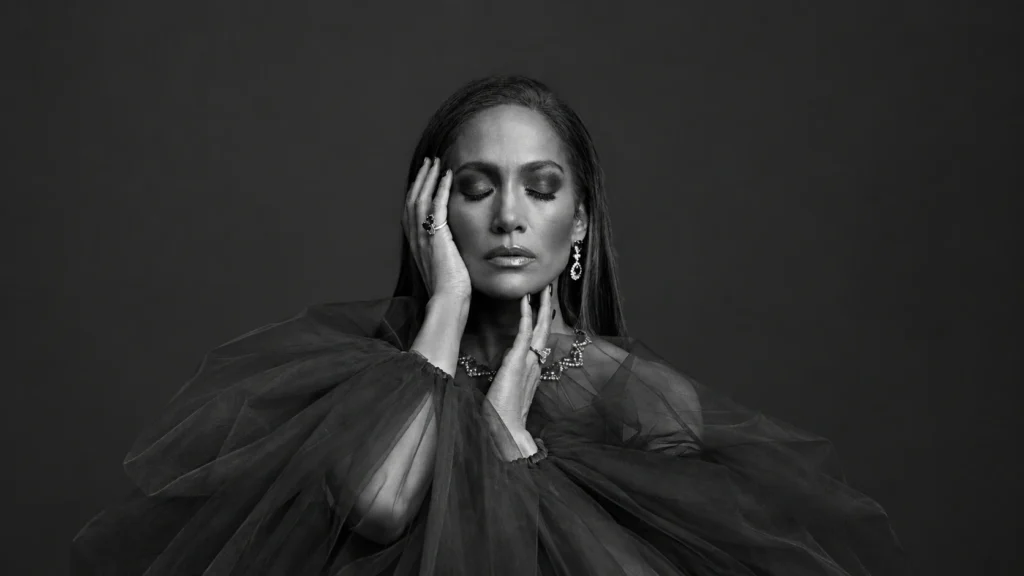
Jennifer Lopez, The Enduring Powerhouse of Global Entertainment

Jennifer Lopez, The Enduring Powerhouse of Global Entertainment

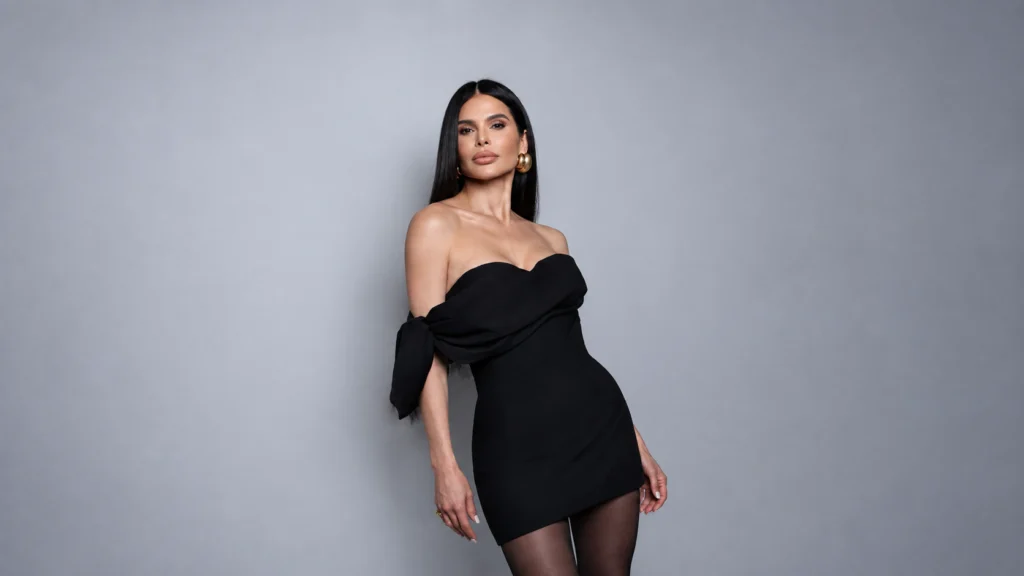
Jennifer Lopez first entered public consciousness in the nineteen nineties and more than three decades later she continues to command attention across industries. Her remarkable endurance is the result of relentless dedication, discipline and an unwavering belief in her creative vision. In cinema Lopez has demonstrated impressive versatility as an actress. While she first gained acclaim for dramatic roles earlier in her career, recent years have seen her explore projects that reflect maturity and creative ambition. Streaming platforms have introduced her work to new audiences around the world. Music remains another defining pillar of her career. Lopez’s ability to create songs that resonate across generations has helped her maintain relevance in a rapidly evolving industry. Her performances combine vibrant choreography, strong visual storytelling and the charisma that has defined her stage presence for decades. Beyond entertainment Jennifer Lopez has developed a powerful lifestyle brand. Her ventures in fashion, beauty and fragrance have achieved considerable commercial success and reinforced her position as a global style authority. Another striking aspect of her career is her cross generational appeal. Younger audiences discover her iconic performances through digital media while longtime fans continue to celebrate the professionalism and passion she brings to every project. Lopez has also become an important cultural figure representing Latin heritage on the global stage. Her achievements helped open doors for many artists and contributed to broader representation within the entertainment industry. Equally notable is her commitment to physical wellbeing and discipline. Known for her dedication to fitness and healthy living, Lopez often inspires audiences with her message of confidence, strength and perseverance. In business she has proven to be a strategic thinker, expanding her brand into new markets while maintaining a consistent image of elegance and empowerment. Each venture reflects her understanding of global consumer culture. By 2026 Jennifer Lopez stands as one of the most enduring figures in modern entertainment. Her journey demonstrates that true star power is built not only on talent but also on determination and the courage to evolve.

Jennifer Lopez, The Enduring Powerhouse of Global Entertainment Read More »

Miss World, Seventy Five Years of Beauty with a Purpose

Miss World, Seventy Five Years of Beauty with a Purpose

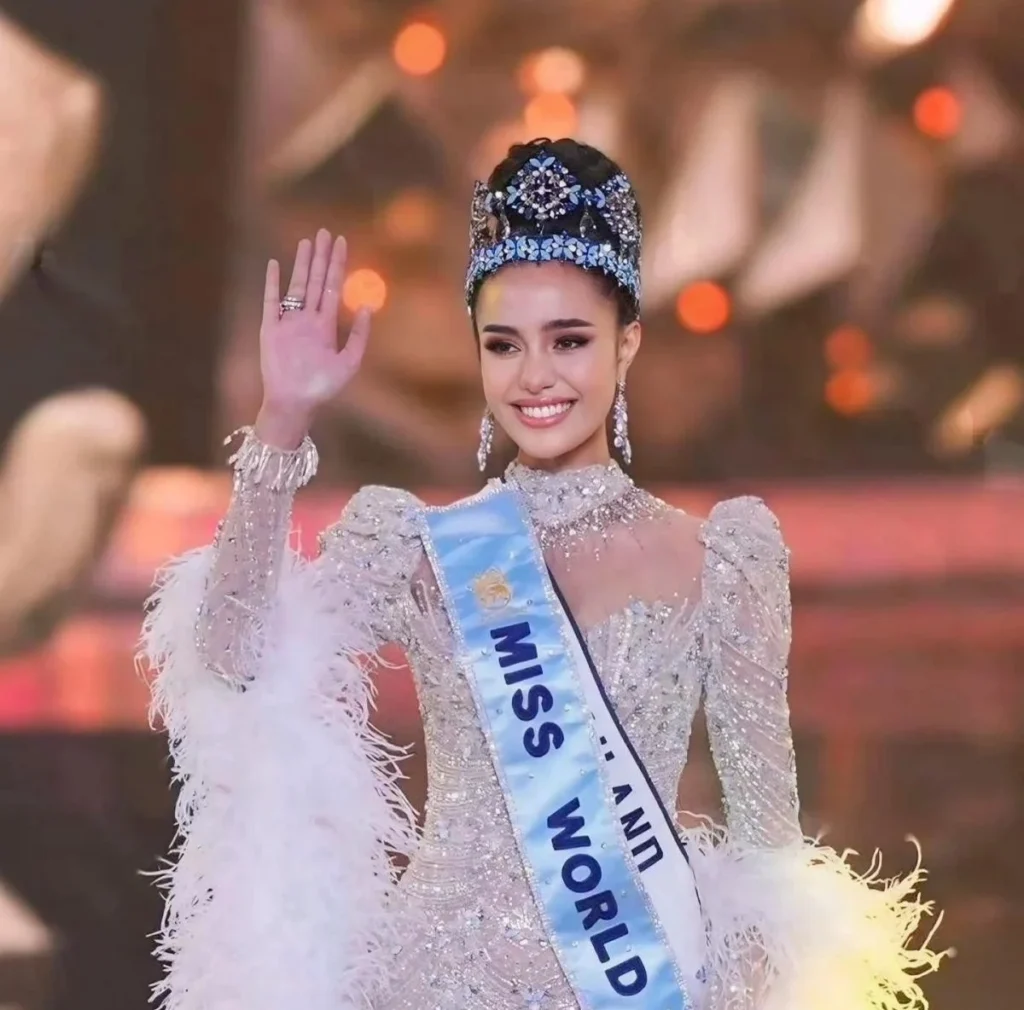
There’s something quietly powerful about a legacy that refuses to fade. Not louder, not flashier, just deeper with time. And that’s exactly what the upcoming Miss World Festival feels like this year. Not just another edition, not just another crown. This is a moment suspended between history and now. Seventy five years of a purpose that has outlived trends, politics, and even the very definition of beauty. Technically, yes, this is the 73rd edition. But the heartbeat of it all is seventy five years of “Beauty with a Purpose.” And maybe that is what makes 2026 feel different. You cannot watch it the same way anymore. This year, the world gathers in Vietnam, a host that feels intentional. There is something quietly poetic about choosing a country that carries its own story of resilience, culture, and renewal. Vietnam is not just a backdrop, it becomes part of the narrative. From opening ceremonies rooted in tradition to landscapes that move from emerald bays to restless cities, the setting offers more than just beauty. It offers context. This is not a spectacle for the sake of it. It feels like an invitation to connect. And then there are the contestants. Women from over 100 countries, arriving with more than just sashes and titles. They come with stories shaped by where they are from and what they have lived through. Representatives from India, South Africa, Brazil, the Philippines, France, Jamaica, Australia, Nigeria, Mexico, Indonesia, the United Kingdom and many more will stand on the same stage. Not as one idea of beauty, but as many. It is easy to turn that into a list of countries. But what matters is what they carry. Languages, causes, communities. Real lives that do not begin or end on a stage. And that is where Miss World has always felt different. “Beauty with a Purpose” is not something added on. It is what holds everything together. The audience has changed too. People are not just watching for the final moment anymore. They are paying attention to what comes before and what comes after. They want to know what stays when the lights go down. The organizers seem to understand that shift. This year is expected to lean more into storytelling, giving space to the work each contestant brings with her. Beyond the familiar segments like Top Model, Talent, and the Sports Challenge, there is a stronger focus on the “Beauty with a Purpose” projects. Not as a side note, but as something central. Something that deserves time. The glamour, of course, is still there. It always is. The opening ceremony will carry its usual sense of scale, with national costumes and cultural performances that turn identity into something visual and immediate. The final night will bring the gowns, the questions, and that pause before a name is called. That feeling does not really change, and maybe it should not. But somewhere within all of this, the idea of winning has already shifted. What does it mean to be Miss World in 2026? It is no longer just about representing beauty in its most polished form. It is about being a bridge. Between countries, between conversations, between visibility and responsibility. The crown is still symbolic, but what it asks of you goes far beyond the moment it is placed. To win now is to carry something forward. To speak for causes that often go unheard. To show up, not just once, but again and again. And for once, that might matter more than the crown itself. There is also something quieter shaping this year. The idea of global unity does not feel distant or idealistic anymore. It feels necessary. In a world that often feels divided, this becomes a rare space where difference is not something to fix, but something to recognize. A contestant from a small island nation stands beside someone from a global power, and for a moment, those differences lose their weight. They are just people, each holding a story that matters. That is the image that stays with you. Not the crown, not the final walk, but that brief moment of shared presence. Seventy five years later, Miss World is still asking the same question, just in a different way. Not only what beauty looks like, but what it stands for, and what it is willing to do.

Miss World, Seventy Five Years of Beauty with a Purpose Read More »

The Cultural Power of Fashion Storytelling

The Cultural Power of Fashion Storytelling

Fashion is often seen as visual, but its power lies equally in storytelling. Every collection, campaign, and outfit carries a narrative that shapes how it is understood and experienced. Storytelling adds depth to fashion. It transforms garments from objects into expressions of ideas. A dress can represent history, identity, or emotion depending on the context in which it is presented. Designers use storytelling to communicate their vision. Through themes, references, and presentation, they create worlds that audiences can engage with. This narrative dimension makes fashion more immersive. Campaigns play a crucial role in this process. Photography, film, and text combine to create cohesive stories. These stories influence how audiences perceive and connect with a brand. Consumers are increasingly drawn to this narrative aspect. They want to understand the meaning behind what they wear. This desire for connection drives interest in storytelling. Social and cultural issues are often explored through fashion narratives. Topics such as identity, sustainability, and diversity are integrated into collections and campaigns. This adds relevance and impact. The rise of digital platforms has expanded the possibilities of storytelling. Multimedia content allows for more complex and interactive narratives. Audiences can engage with stories in new ways. At the same time, authenticity remains crucial. Stories that feel forced or disconnected from reality can undermine credibility. Successful storytelling is grounded in genuine perspective. Ultimately, the cultural power of fashion storytelling lies in its ability to connect. It bridges the gap between creator and audience, turning style into a shared experience.

The Cultural Power of Fashion Storytelling Read More »

The Evolution of Runway Shows in a Post Digital World

The Evolution of Runway Shows in a Post Digital World

Runway shows were once exclusive events, accessible only to industry insiders. Today, they exist in a hybrid space where physical presence and digital experience intersect. This evolution has transformed how fashion is presented and consumed. The rise of live streaming has made runway shows accessible to a global audience. What was once limited to a select few can now be viewed by millions. This democratization has changed the relationship between designers and their audience. At the same time, the physical show remains important. It provides an immersive experience that cannot be fully replicated online. The atmosphere, the music, and the movement of garments create a sensory impact that is unique. Designers are increasingly experimenting with format. Traditional runway presentations are being complemented by performances, installations, and digital storytelling. These approaches expand the possibilities of how collections are communicated. Technology plays a central role in this transformation. Virtual reality, augmented reality, and digital garments are becoming part of the fashion landscape. These innovations challenge traditional notions of what a runway show can be. The pace of fashion has also influenced this evolution. With multiple collections released each year, designers are finding new ways to maintain engagement. Creative presentations help sustain interest and differentiate brands. Sustainability considerations are shaping runway shows as well. Smaller, more focused presentations reduce environmental impact while maintaining creative expression. Digital formats also offer more sustainable alternatives. Audience expectations have shifted accordingly. Viewers are no longer passive observers but active participants. Social media allows them to engage with shows in real time, sharing reactions and interpretations. The evolution of runway shows reflects broader changes in the fashion industry. It highlights the importance of innovation and adaptability. It shows that tradition and technology can coexist in dynamic ways. Ultimately, runway shows are no longer just about showcasing clothes. They are about creating experiences that resonate across both physical and digital spaces.

The Evolution of Runway Shows in a Post Digital World Read More »

Why Nostalgia Continues to Shape Modern Style

Why Nostalgia Continues to Shape Modern Style

Nostalgia has become one of the most powerful forces in contemporary fashion. From the resurgence of late nineties silhouettes to the revival of early 2000s aesthetics, the past is constantly being reinterpreted through a modern lens. This fascination with nostalgia is not simply about aesthetics. It is deeply emotional. In times of uncertainty, looking back can provide comfort. Familiar styles evoke memories of simpler moments, even if those memories are idealized. The cyclical nature of fashion has always existed, but the speed of revival has accelerated. Digital archives and social media make it easier than ever to access and reinterpret past trends. What once took decades to return can now reappear within years. Nostalgia also allows for reinvention. Designers do not simply replicate past styles but reinterpret them. They combine vintage elements with contemporary techniques, creating something that feels both familiar and new.There is also a generational aspect to consider. Younger audiences are discovering trends that feel novel to them, even if they are rooted in the past. This creates a sense of discovery that fuels the cycle of revival. Vintage shopping has become a key part of this movement. It offers access to authentic pieces while also promoting sustainability. Wearing vintage is not just about style but about storytelling and individuality. Pop culture plays a significant role in shaping nostalgic trends. Films, television shows, and music often revive interest in specific eras. These influences extend beyond clothing to include beauty and lifestyle choices.The appeal of nostalgia lies in its ability to bridge past and present. It allows individuals to connect with history while expressing contemporary identity. It creates a sense of continuity in a rapidly changing world. However, nostalgia can also be selective. It often highlights certain aspects of the past while overlooking others. This raises questions about how history is remembered and represented. Ultimately, nostalgia’s influence on modern style reflects a desire for connection. It shows that fashion is not just about the future but about how we interpret and carry the past with us.

Why Nostalgia Continues to Shape Modern Style Read More »

The Return of Maximalism in a World That Tried to Simplify Everything

The Return of Maximalism in a World That Tried to Simplify Everything

For years, minimalism held fashion in a quiet chokehold. Clean lines, neutral tones, and understated silhouettes became synonymous with sophistication. But something has shifted, and the new era is loud, layered, and unapologetically expressive. Maximalism is not simply returning, it is reclaiming space in a culture that once prized restraint above all else. This resurgence reflects more than aesthetic fatigue. It signals a broader emotional rebellion against a world that has felt increasingly controlled and filtered. In the wake of digital perfection and algorithm driven taste, people are seeking individuality in its most visible form. Clothes are once again becoming statements rather than solutions. Maximalism today is not about excess for the sake of spectacle. It is deeply personal. One person’s maximalism might mean clashing prints and exaggerated silhouettes, while another might express it through bold jewelry layered over otherwise simple outfits. The common thread is intention. Every element feels chosen rather than prescribed. The rise of vintage culture has also fueled this movement. As shoppers move away from fast fashion cycles, they are rediscovering the thrill of unique pieces. A sequined jacket from the early 2000s or a sculptural handbag from a forgotten designer carries more emotional weight than something mass produced. These pieces tell stories, and maximalism thrives on narrative. Social media has paradoxically both suppressed and accelerated this trend. While platforms often reward uniform aesthetics, they also amplify those who dare to stand apart. A maximalist outfit, when done well, is instantly shareable because it disrupts expectation. It invites attention rather than blending into the endless scroll. There is also a psychological dimension to consider. Dressing boldly can be a form of self assertion. In uncertain times, clothing becomes armor. Bright colors, exaggerated shapes, and layered textures create a sense of control and visibility. They allow individuals to reclaim presence in environments that might otherwise feel overwhelming. Designers have responded accordingly, reintroducing theatrical elements into collections. Volume, embellishment, and unexpected combinations are no longer niche but central. The runway has become a space where storytelling takes precedence over practicality, reminding audiences that fashion is as much about imagination as it is about wearability. What makes this iteration of maximalism particularly compelling is its inclusivity. There is no single blueprint to follow. It encourages experimentation across age, body type, and personal style. It is less about following trends and more about curating a visual identity that feels authentic. In many ways, maximalism is a reaction to years of being told to edit oneself. It rejects the idea that less is always more. Instead, it suggests that more can be meaningful, expressive, and even necessary. It invites people to embrace complexity rather than shy away from it. Ultimately, the return of maximalism is not just a fashion moment. It is a cultural shift toward embracing individuality in its most visible form. It reminds us that style is not about fitting in but about standing out in a way that feels undeniably true.

The Return of Maximalism in a World That Tried to Simplify Everything Read More »

How Fashion Became a Language of Identity

How Fashion Became a Language of Identity

Fashion has always been a form of communication, but its role has expanded dramatically in recent years. It is no longer just about aesthetics or trends. It has become a language through which individuals express identity, values, and belonging. This transformation is closely tied to the rise of digital culture. Social media platforms have created spaces where personal style is constantly visible and subject to interpretation. Every outfit becomes a statement, whether intentional or not. People are more aware than ever of how they present themselves visually. Clothing now carries layers of meaning. A particular silhouette, fabric, or brand can signal cultural affiliation, political stance, or personal history. These signals are not always explicit, but they contribute to how individuals are perceived and understood. The concept of identity itself has become more fluid. Traditional categories are being questioned, and fashion reflects this shift. Gender neutral clothing, for example, challenges binary definitions and allows for greater freedom of expression. It opens up possibilities that were previously constrained. Sustainability has also become a key component of fashion identity. Choosing second hand pieces or supporting ethical brands communicates a commitment to environmental and social values. These choices are not just practical but symbolic. There is also a growing emphasis on storytelling. People are increasingly interested in where their clothes come from and what they represent. A handmade garment or a vintage piece carries a narrative that mass produced items often lack. This narrative becomes part of the wearer’s identity. The influence of global culture cannot be overlooked. Fashion draws from diverse traditions and aesthetics, creating hybrid styles that reflect interconnected identities. This exchange enriches the language of fashion but also raises important questions about appropriation and respect. Designers are responding to these complexities by creating collections that explore identity in nuanced ways. Rather than presenting a single vision, they offer multiple perspectives. This approach acknowledges that identity is not fixed but constantly evolving. At the same time, there is a tension between individuality and conformity. Trends can sometimes create pressure to align with certain aesthetics. Navigating this tension requires a balance between inspiration and authenticity. Fashion as a language is powerful because it operates both consciously and subconsciously. It allows individuals to express aspects of themselves that may be difficult to articulate in words. It creates connections and distinctions simultaneously. Ultimately, the evolution of fashion into a language of identity reflects broader cultural changes. It highlights the importance of self expression in a world that is increasingly interconnected. It reminds us that what we wear is not just about appearance but about meaning.

How Fashion Became a Language of Identity Read More »