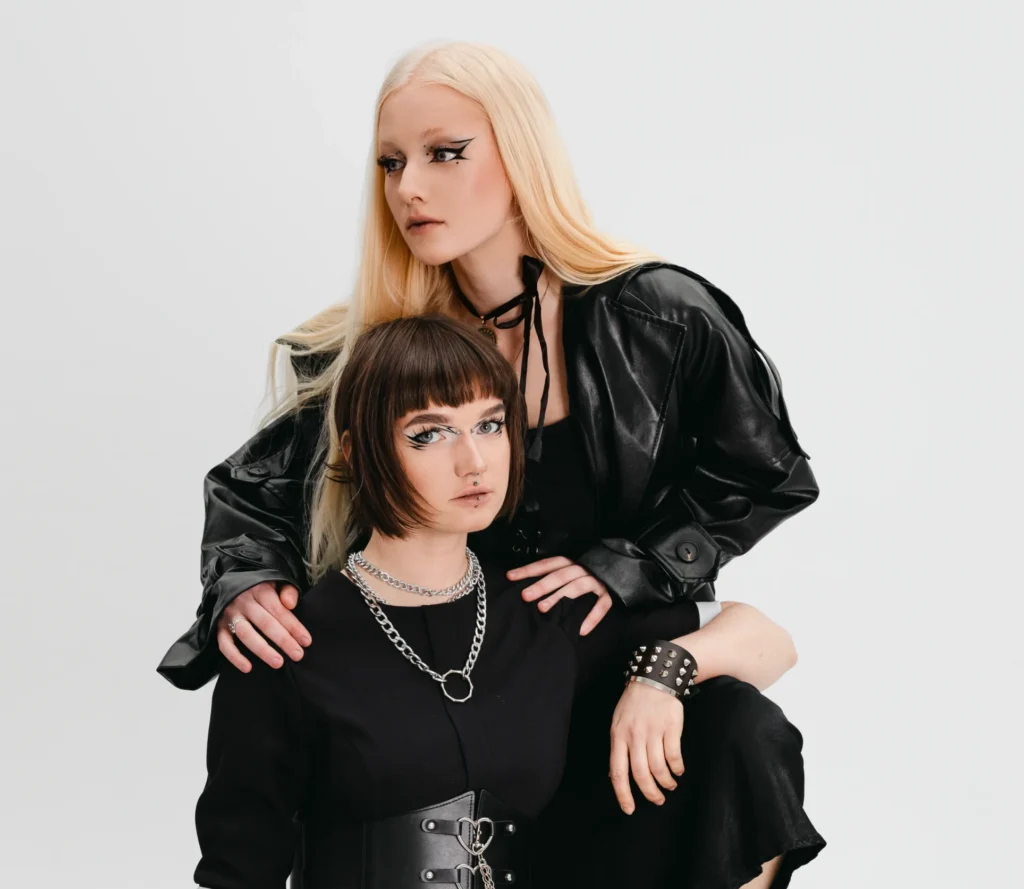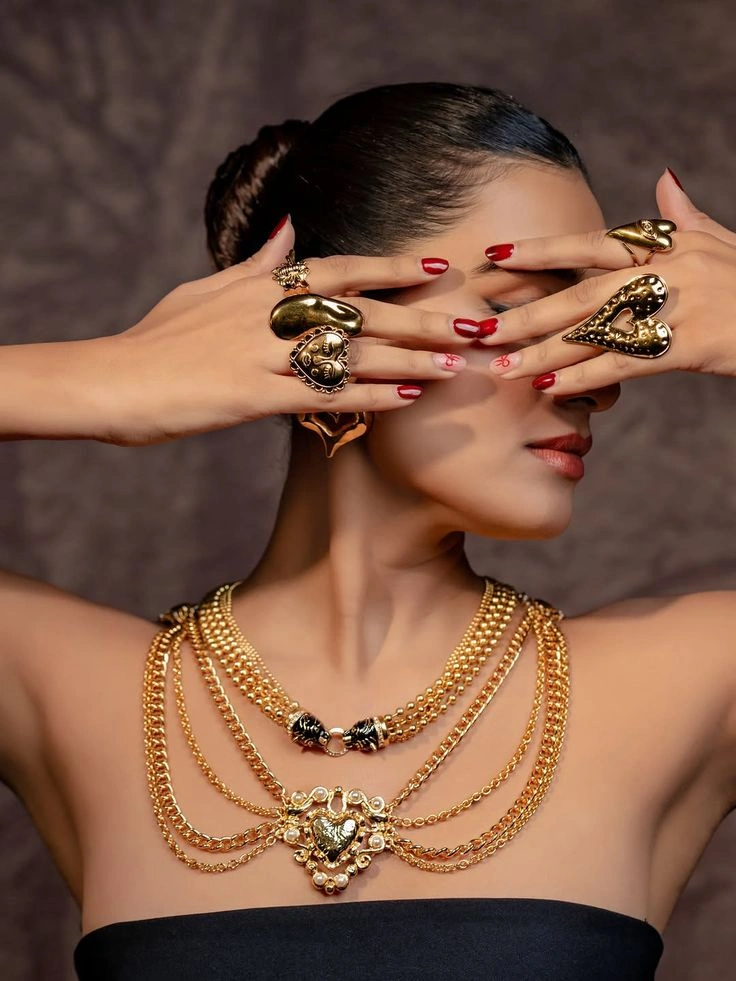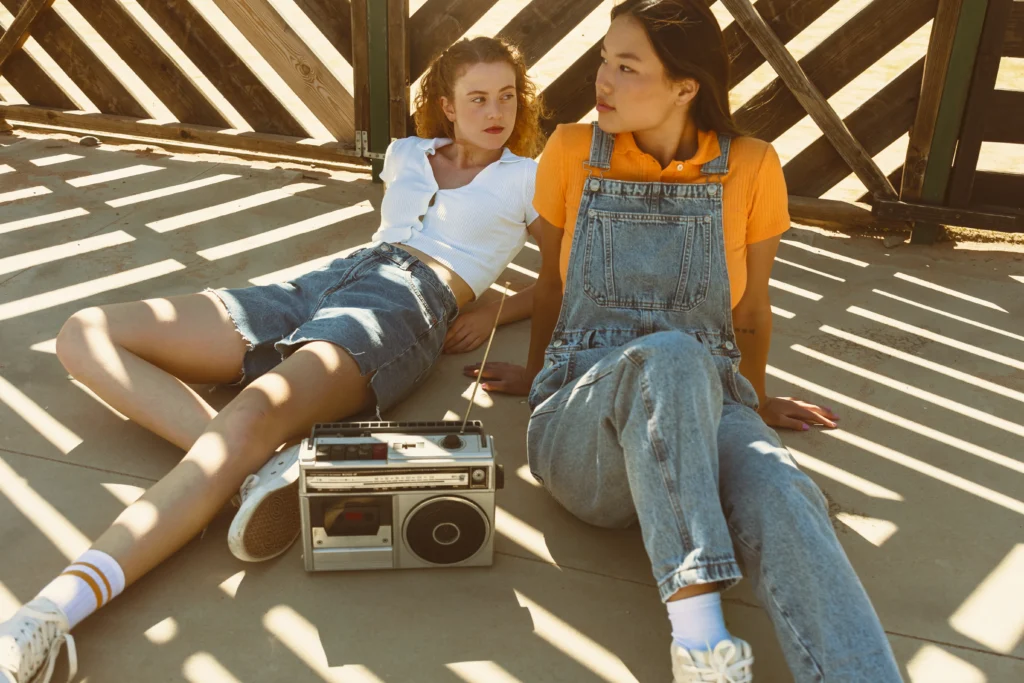
Generation Z no longer treats fashion as aspiration alone. In May 2026, style has become language, performance, identity, and emotional signalling all at once. Clothing is no longer simply worn. It is curated with the precision of storytelling, assembled like moodboards in motion across city streets, mirrors, and endless vertical screens. For Gen Z, personal style is less about fitting into a singular aesthetic and more about navigating dozens simultaneously, shifting fluidly between softness and rebellion, nostalgia and futurism, irony and sincerity. Fashion has become psychological terrain.
The era of rigid trends dominating entire seasons has largely dissolved. Instead, aesthetics now mutate weekly through TikTok edits, hyper specific Pinterest boards, underground Instagram creators, gaming culture, and algorithmic subcultures that appear almost overnight. One week revolves around distressed indie sleaze silhouettes resurrected from the early 2010s. The next embraces romantic tailoring, sheer fabrics, ballet influences, or aggressively oversized streetwear infused with dystopian undertones. Nothing remains static for long. Gen Z does not fear contradiction within fashion. Contradiction is the aesthetic.
What defines Gen Z styling most powerfully in 2026 is intentional individuality. Even when participating in trends, young people obsess over creating slight distortions that make the look feel uniquely theirs. Vintage jewellery clashes against futuristic sunglasses. Hyper feminine silhouettes collide with combat boots and shredded layers. Deliberately imperfect styling now feels more culturally relevant than polished luxury. Outfits are expected to carry evidence of personality, humour, emotional chaos, or self awareness. Looking too pristine risks appearing artificial.
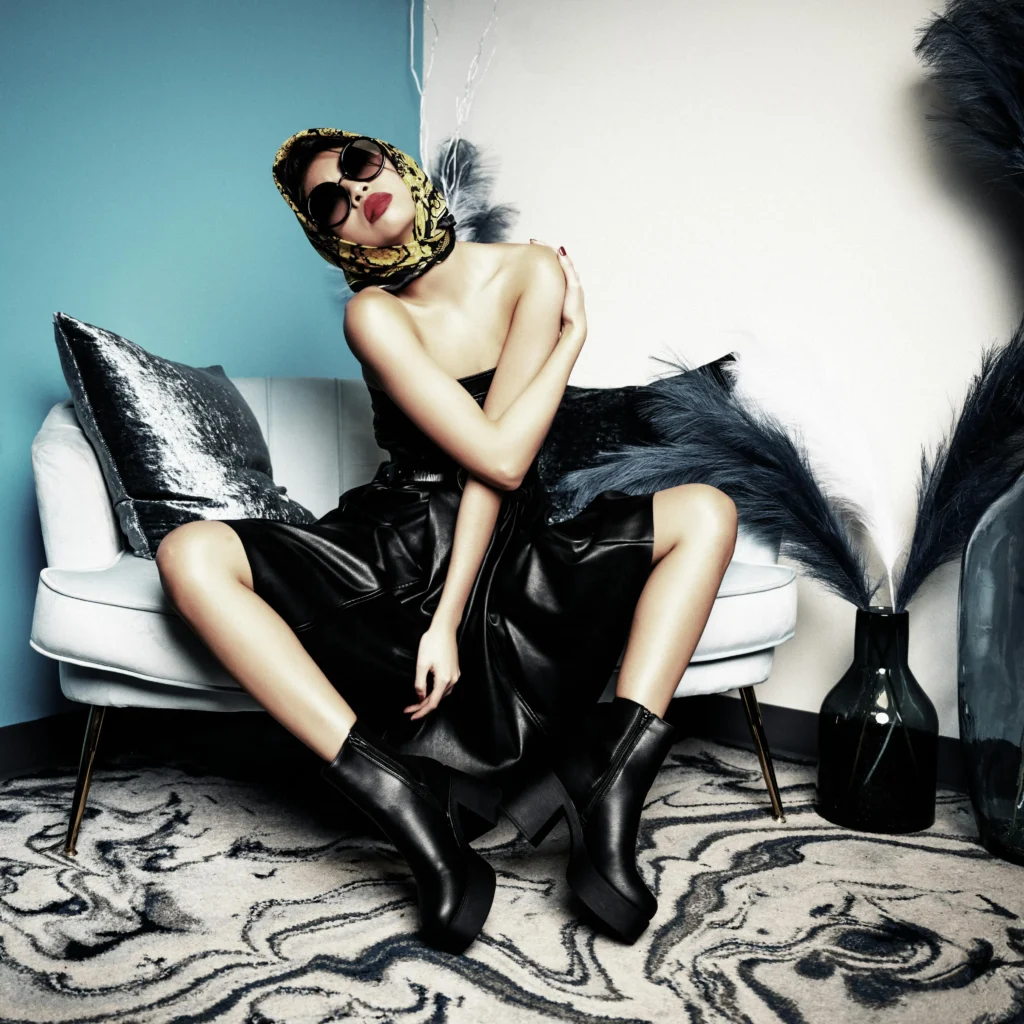
The influence of digital culture on fashion has become impossible to separate from reality itself. Algorithms now shape aesthetics at extraordinary speed, determining not only what people wear but how they document what they wear. Clothing is increasingly chosen for movement, cinematic transitions, flash photography, grainy mirror selfies, and short form videos rather than static real world practicality. Fashion exists simultaneously in physical space and digital performance. An outfit is incomplete until it has been translated visually online.
This transformation has also redefined the nature of fashion idols. Traditional celebrity culture still exists, but Gen Z no longer worships untouchable perfection in the same way previous generations once did. Their style icons feel emotionally accessible, unpredictable, and culturally fluid. Musicians, underground creators, streamers, models, and internet personalities now hold equal influence alongside luxury campaigns and runway houses. The distinction between celebrity and creator continues to blur.
Among the defining fashion figures of May 2026 are artists who embody transformation itself. Pop stars experiment constantly with identity rather than remaining visually fixed. K-pop continues to dominate youth styling globally through precision layering, experimental silhouettes, and gender fluid presentation. Rap aesthetics remain deeply influential, particularly in the continued fusion of luxury fashion with raw streetwear sensibilities. Meanwhile, alternative internet personalities, niche stylists, and independent creators often shape trends faster than traditional magazines ever could.
Gen Z’s fascination with idols extends beyond clothing into atmosphere. Young audiences are drawn toward people who construct entire visual universes around themselves. Styling now includes music taste, editing style, apartment interiors, typography choices, phone cases, playlists, tattoos, and emotional energy. Fashion no longer functions in isolation. It exists as part of an immersive personal mythology. The most influential figures are not necessarily the most conventionally beautiful, but the ones who feel aesthetically complete.
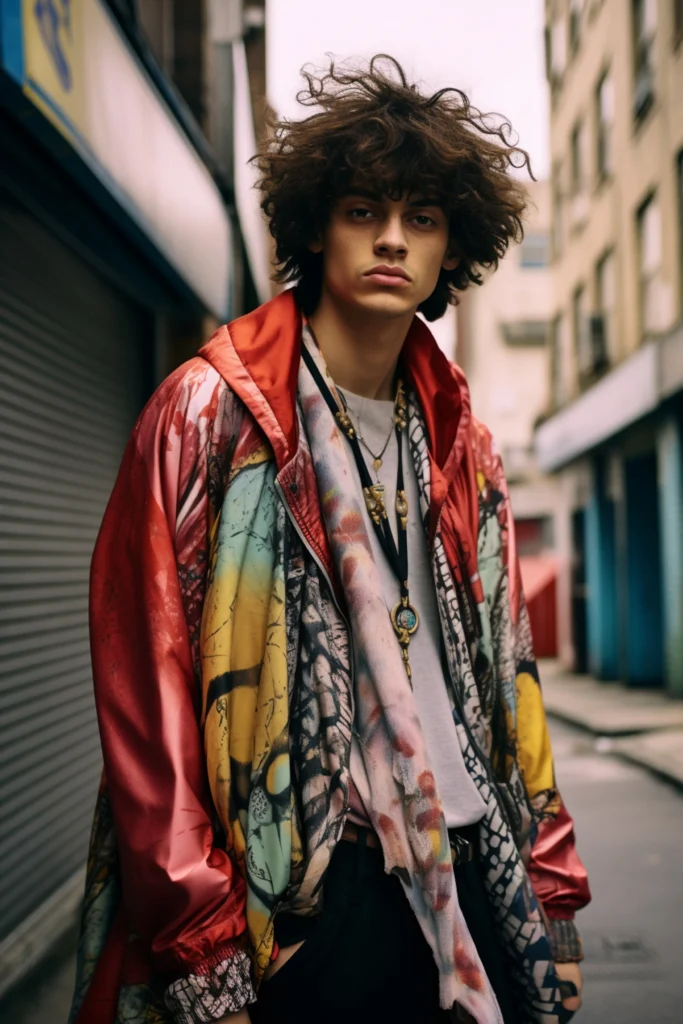
The resurgence of vintage culture has also intensified in 2026, though not through simple nostalgia. Gen Z approaches past decades less as historical periods and more as visual archives available for reconstruction. Fragments of the 1970s, 1990s, 2000s, and early Tumblr era now coexist within single outfits. Thrifted clothing carries cultural value precisely because it resists mass uniformity. In an era saturated with fast fashion and algorithmic sameness, rarity has become emotional currency.
Sustainability conversations continue shaping fashion choices as well, though often in complicated ways. Many young consumers remain deeply critical of overconsumption while simultaneously participating in trend cycles accelerated by social media. This contradiction defines much of modern fashion culture. Gen Z wants authenticity and ethical awareness, yet also exists within systems built upon speed, visibility, and constant reinvention. As a result, personal styling increasingly revolves around reworking existing wardrobes, customisation, second hand pieces, and styling repetition creatively rather than endlessly purchasing new items.
Gender boundaries within fashion have become significantly less rigid than previous generations imagined possible. Masculine and feminine styling codes now blend freely across mainstream youth culture. Jewellery, makeup, tailoring, skirts, oversized silhouettes, delicate fabrics, and traditionally gendered accessories move fluidly between identities. Younger audiences no longer perceive fashion experimentation as inherently rebellious. Instead, freedom of presentation has become part of ordinary self expression.
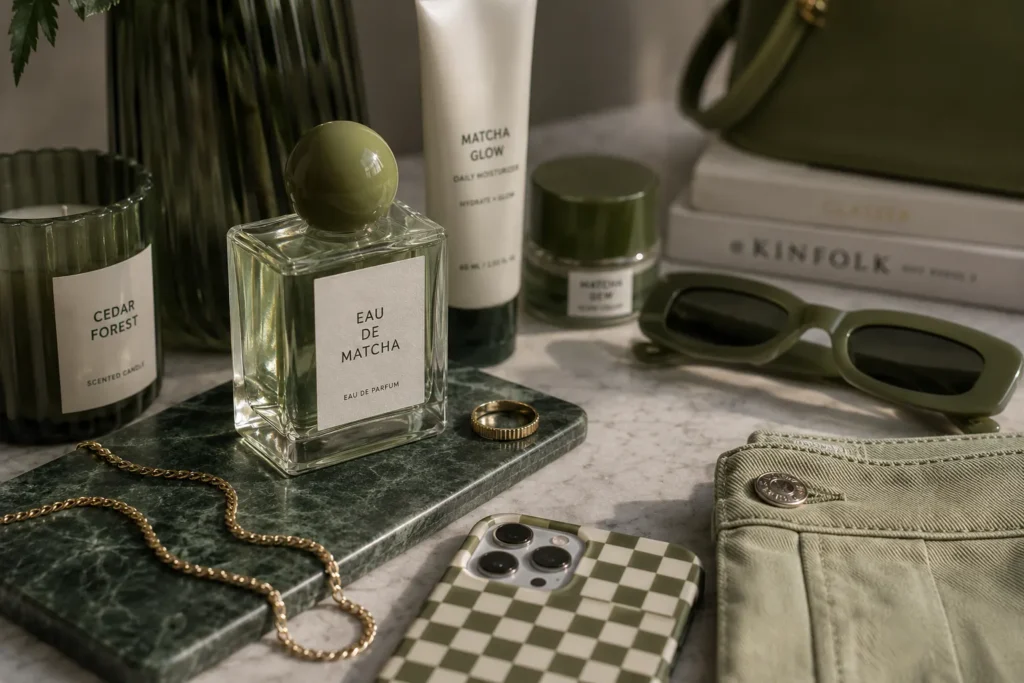
Even luxury fashion has been forced to adapt to Gen Z’s emotional expectations. Audiences now respond less to exclusivity alone and more to storytelling, authenticity, humour, and visual immersion. Campaigns that feel overly manufactured struggle to generate genuine engagement online. Young consumers gravitate toward brands capable of building cultural atmosphere rather than merely selling products. Fashion houses increasingly borrow visual language from internet culture itself, embracing chaos, intimacy, and hyper stylised storytelling in order to remain relevant.
At the centre of all these transformations lies one defining truth about Generation Z fashion in May 2026: style is no longer about dressing for acceptance. It is about constructing identity in real time. Every outfit becomes both self expression and performance, vulnerability and armour, experimentation and communication. Fashion has evolved into an emotional extension of digital existence itself.
In a culture moving faster than ever before, Gen Z continues searching for individuality within the noise. Their style is fragmented, theatrical, contradictory, nostalgic, futuristic, ironic, sincere, and constantly shifting. Yet beneath the chaos lies something deeply human, the desire to be recognised not simply for appearance, but for atmosphere, feeling, and identity.