Confidence can sometimes begin in the smallest of moments, perhaps in the way someone stands, moves or finally becomes comfortable being seen. For Diana Diloyan, that transformation has become the foundation of an extraordinary career. After fifteen years in front of the camera and more than 7,000 people coached around the world, she has turned her own experience with self doubt into a powerful mission to help others feel confident, expressive and completely at ease in their own presence.
Her story began with shyness. As a child, being in front of cameras and on stage did not come naturally to her. Learning modelling and posing became a way of building confidence, gradually teaching her how to understand her body and express herself. Years later, after thousands of shoots and campaigns, friends began turning to her with the same questions. Where should I stand? What should I do with my hands? How should I pose? Those questions revealed something important. The knowledge she had collected through years of experience could help others discover confidence too.
For Diana, however, posing has never been simply about looking good in a photograph. Her philosophy is rooted in something much deeper. Feeling iconic means reconnecting with the freedom many people experience as children, before they begin questioning their appearance, comparing themselves with others or creating limitations around who they believe they are allowed to be. She wants people to remember what it feels like to feel beautiful, important, free and completely comfortable taking up space.
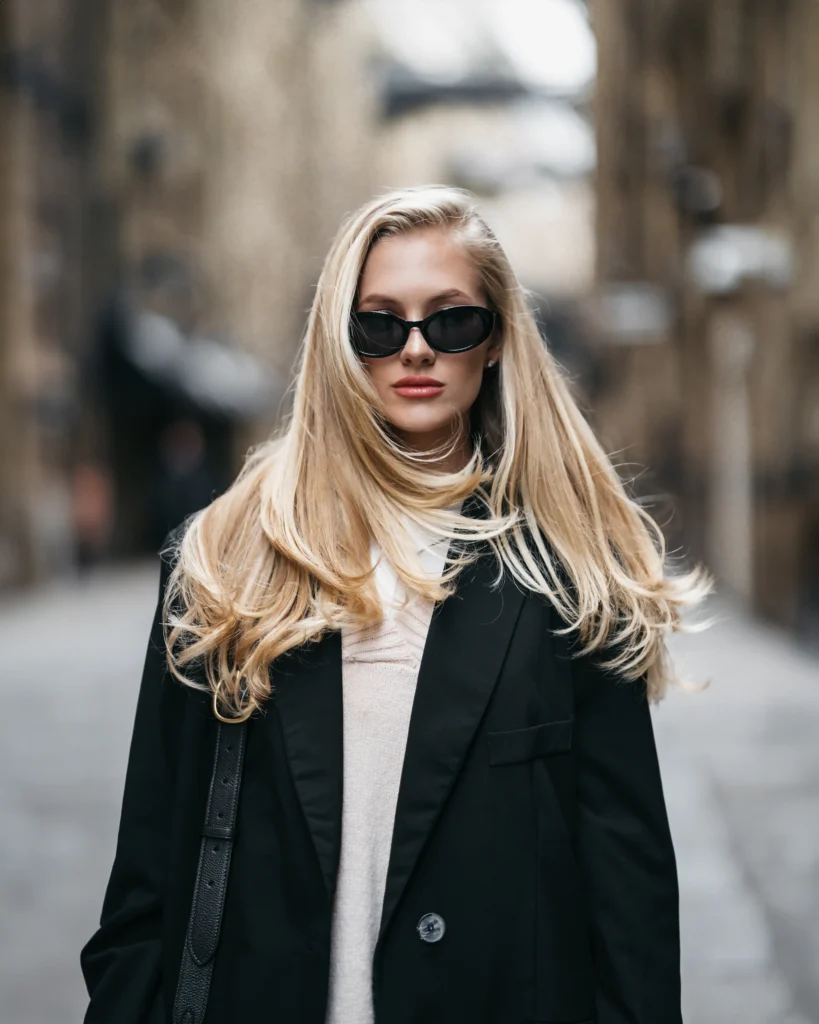
That transformation often begins with the body. One of the most common things Diana sees when someone steps in front of a camera is tension. Shoulders rise, hands become stiff and breathing changes. Before teaching a pose, she teaches people to relax. A few deep breaths, moving the arms and legs and allowing the body to loosen can make an immediate difference. Once the tension disappears, the camera captures something far more natural, and confidence begins to reveal itself without being forced.
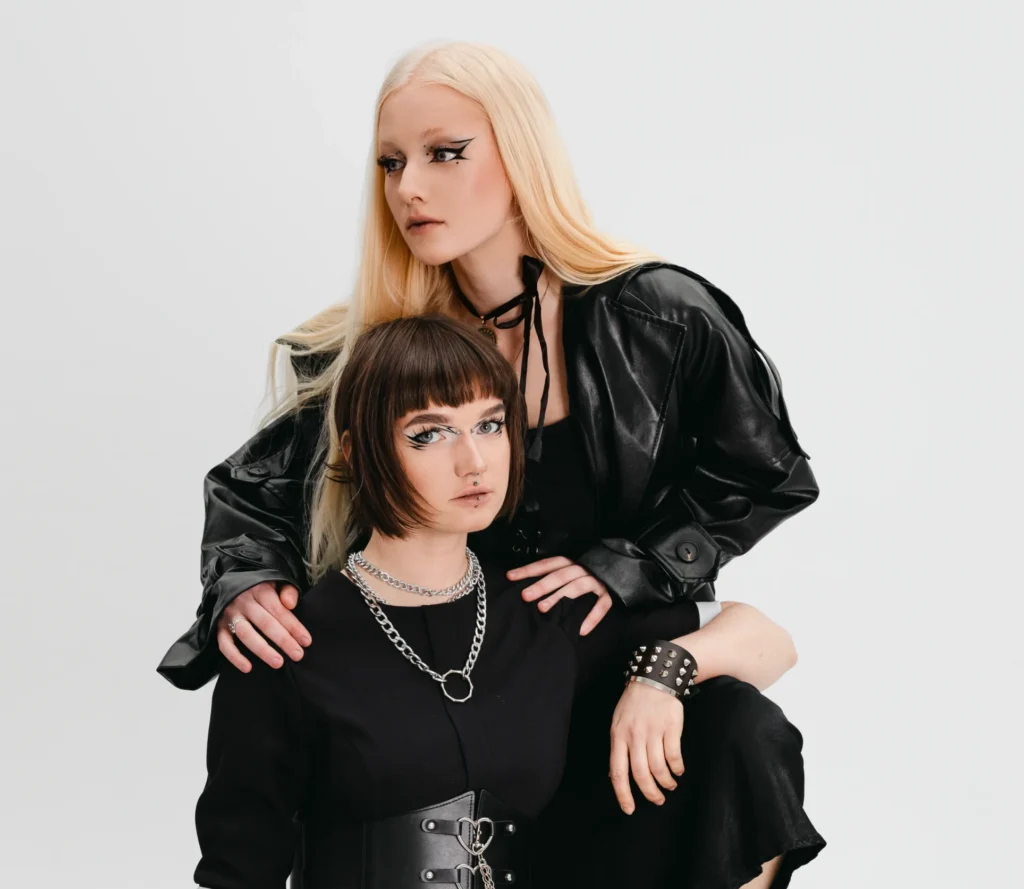
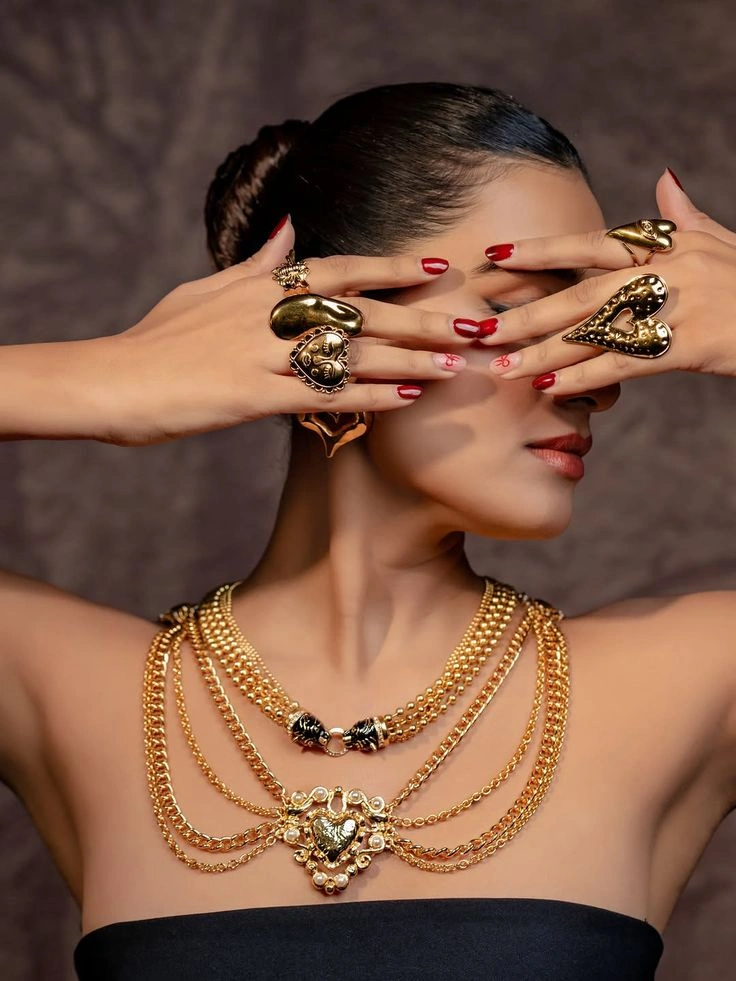
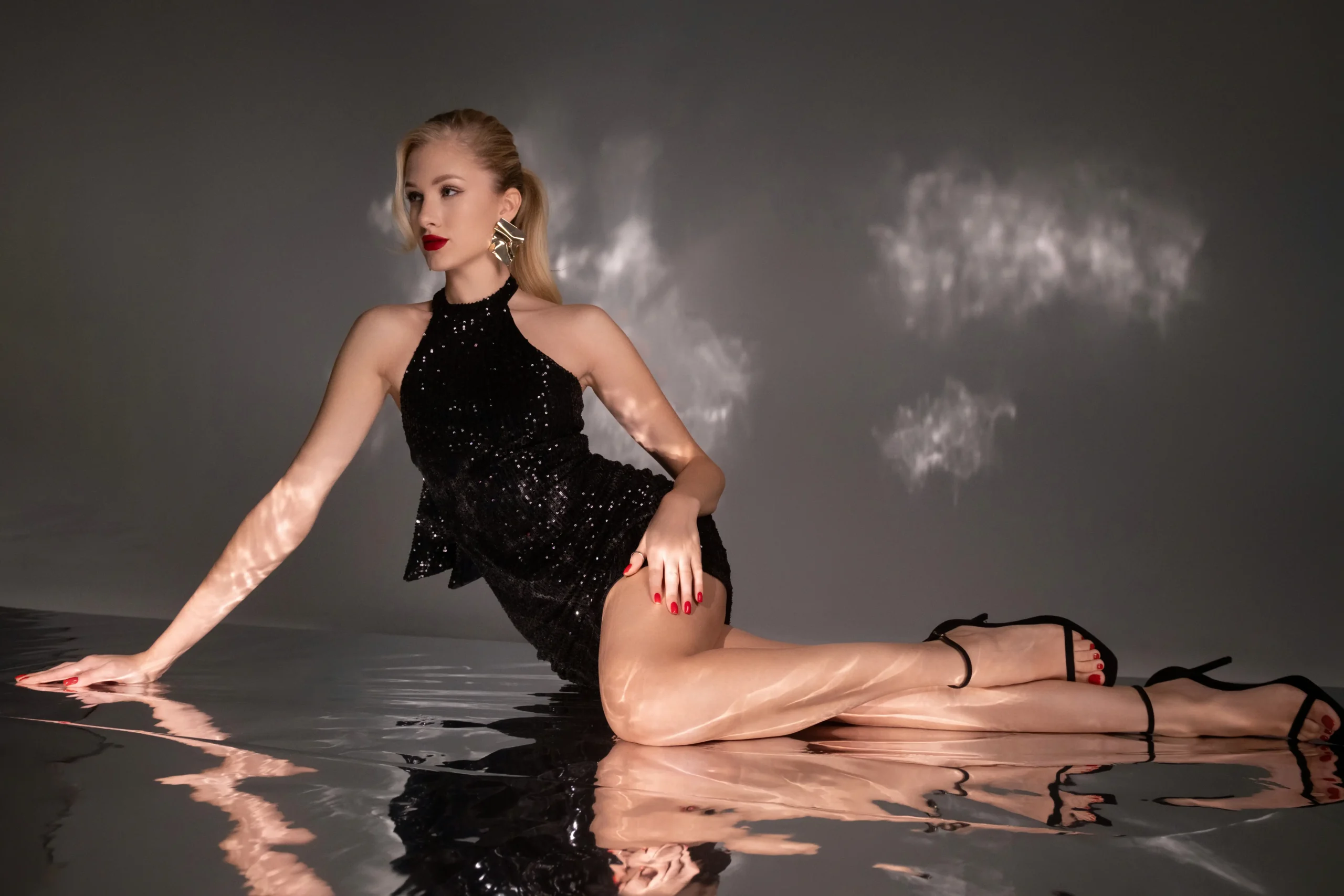
Her fifteen years of modelling have taught her that posing is a combination of technique, awareness and individuality. There is no universal pose that works for everyone. Understanding your own body allows you to make intentional choices about movement, angles and the features you want to highlight. Experience comes from practice, making mistakes and studying photographs afterwards. What may look effortless in the final image is often the result of understanding countless small movements that transform the way the body appears on camera.
That knowledge has also shaped her approach to beauty. In an era dominated by highly curated images, Diana does not encourage people to chase perfection. Instead, she believes the most compelling photographs often come from moments that feel genuine. Natural movement, emotion and personality are increasingly more powerful than trying to fit into a single definition of beauty. When someone stops worrying about being perfect, they relax. When they relax, they become more expressive. And when they become expressive, their individuality becomes the most beautiful part of the image.
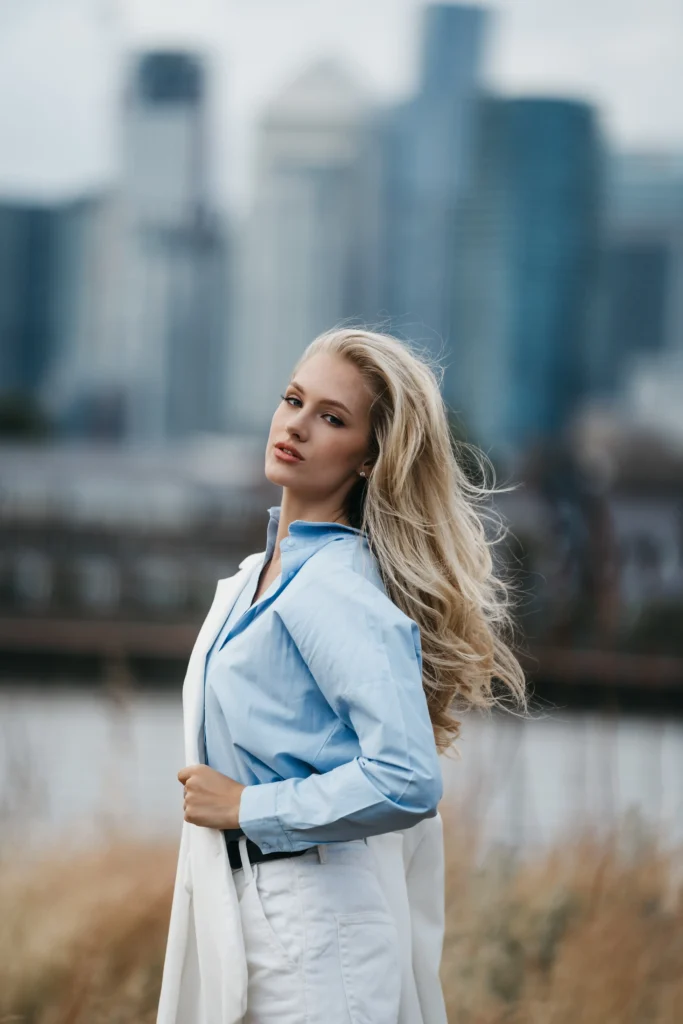
Her online presence has allowed that philosophy to reach an even wider audience. Diana approaches content by first understanding the real concerns people have when they stand in front of a camera. Whether someone wants to appear taller, feels awkward about their hands or does not know what to do with their facial expressions, she aims to provide practical answers. Her relationship with her audience is central to that process. She listens to comments, asks what people want to learn and adapts her content accordingly, including creating posing guidance for different body types so that more people can see themselves represented in the advice.
The transition from personal expertise to teaching thousands of people has reinforced one of her strongest beliefs: feeling good in photographs is a skill, not a talent reserved for naturally photogenic people. Diana has been teaching posing since she was sixteen, but sharing that knowledge online showed her just how universal the struggle really is. So many people instinctively become uncomfortable when a camera appears, yet with a few simple techniques and enough practice, that discomfort can change dramatically.
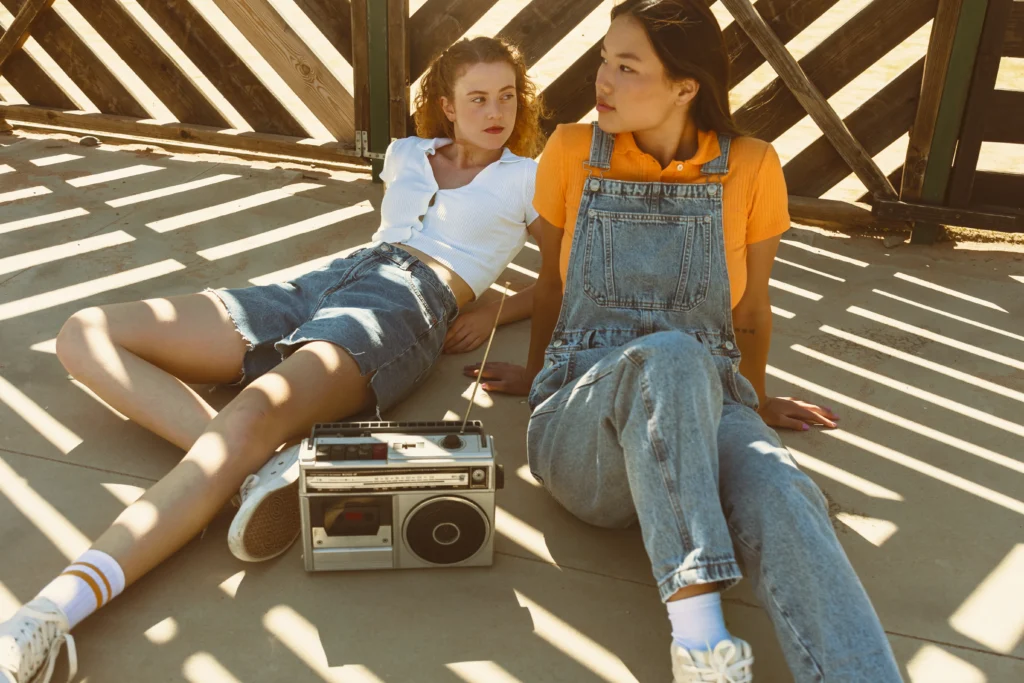
Her simplest advice for anyone who feels awkward in photographs is also one of her most effective: do not pose, move. She encourages people to imagine they are in a film and to think like a character rather than a person waiting for a photograph. Touch your hair, adjust your clothes, hold a coffee cup, play with a bag or simply walk slowly. Movement gives the body something natural to do and allows the camera to capture a collection of genuine moments rather than one rigid position. Often, the best photograph is found somewhere within the movement.
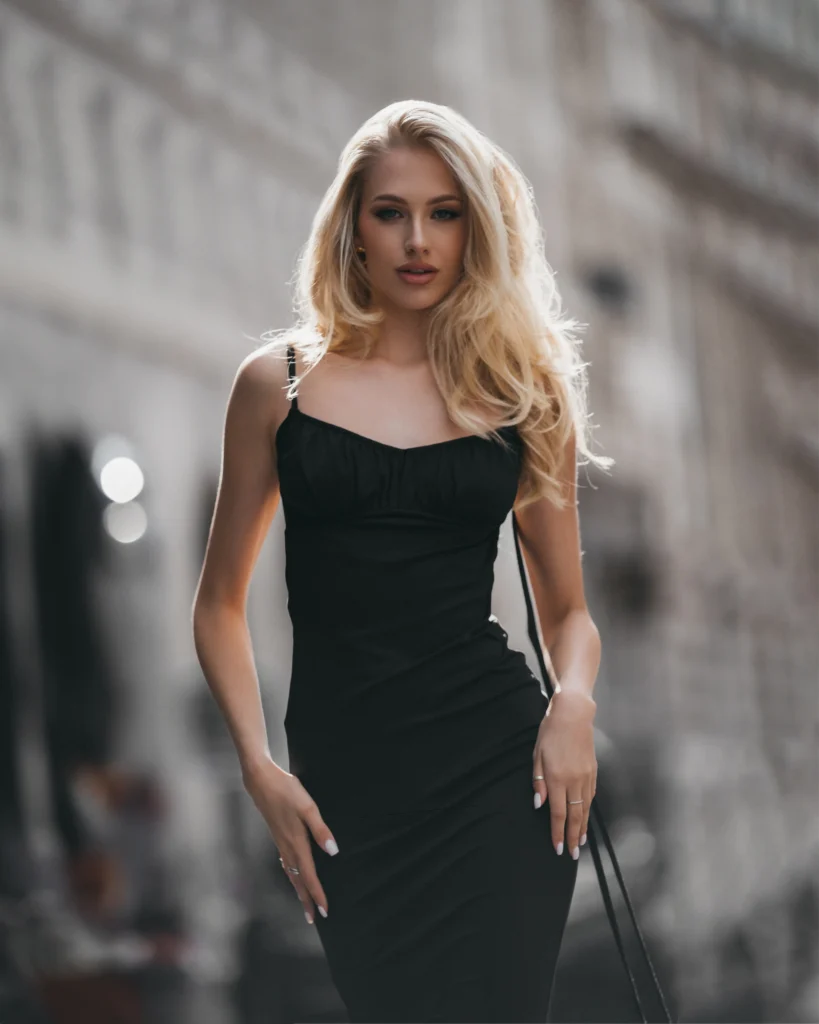
As fashion, beauty and social media continue to evolve, Diana believes trends will always influence the way people present themselves. Yet some things remain timeless. Authenticity, natural energy and genuine emotion continue to create the strongest connection. True confidence is not about fitting yourself into an existing template. It is about being able to appear on camera as the same person you are when the camera is turned off. When someone stops trying to imitate another person and begins owning their individuality, that presence becomes impossible to overlook.
Today, Diana is looking towards a chapter that extends far beyond posing and modelling. She is developing new projects and products designed to help women build stronger relationships with themselves and become the best versions of who they can be without copying someone else. Her vision is increasingly centred on creating a space where women can find answers, confidence, inspiration and practical tools for everyday growth.
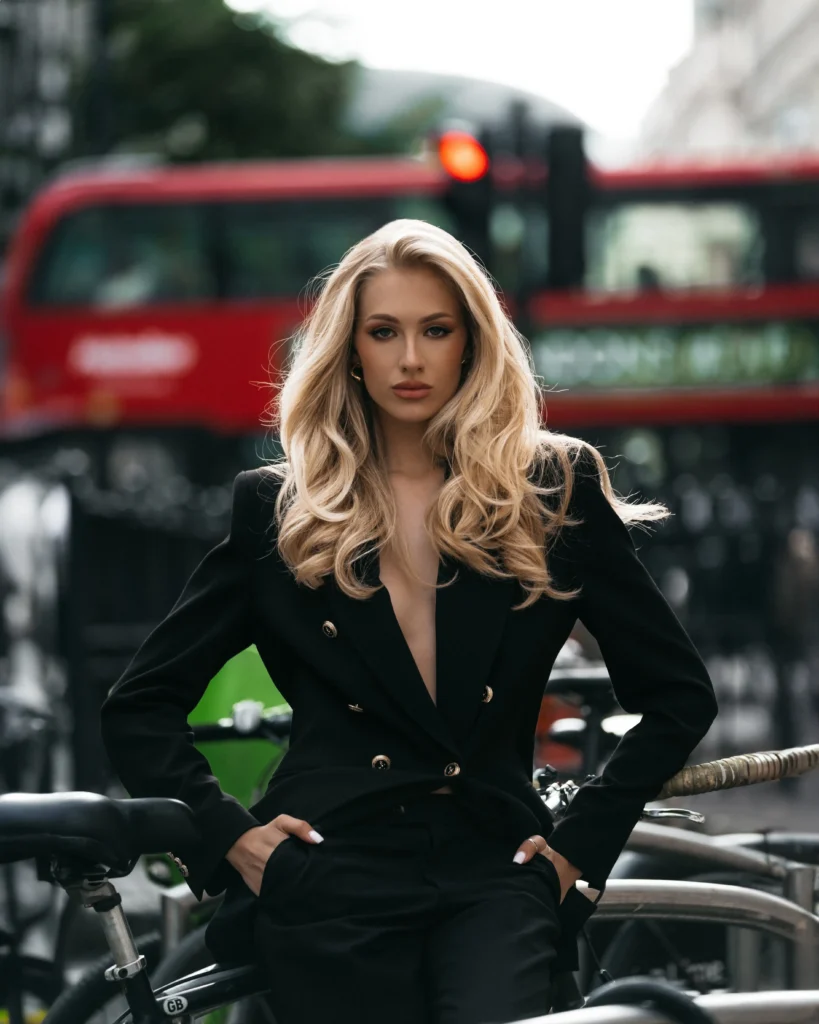
That vision represents a natural evolution of everything she has done so far. Posing may have been the doorway through which Diana first began teaching confidence, but the message has grown much larger. Her goal is not simply to help someone take a better photograph. It is to help them change the way they see themselves before the photograph is even taken.
In a world where so much attention is placed on how we look, Diana Diloyan is encouraging women to focus on how they feel. Her work reminds us that presence cannot be created through a perfect angle alone. It comes from self trust, movement, individuality and the courage to be seen. Perhaps the most powerful image is not the one where everything looks flawless, but the one where someone finally recognises themselves and thinks, without hesitation, that they belong in the frame.