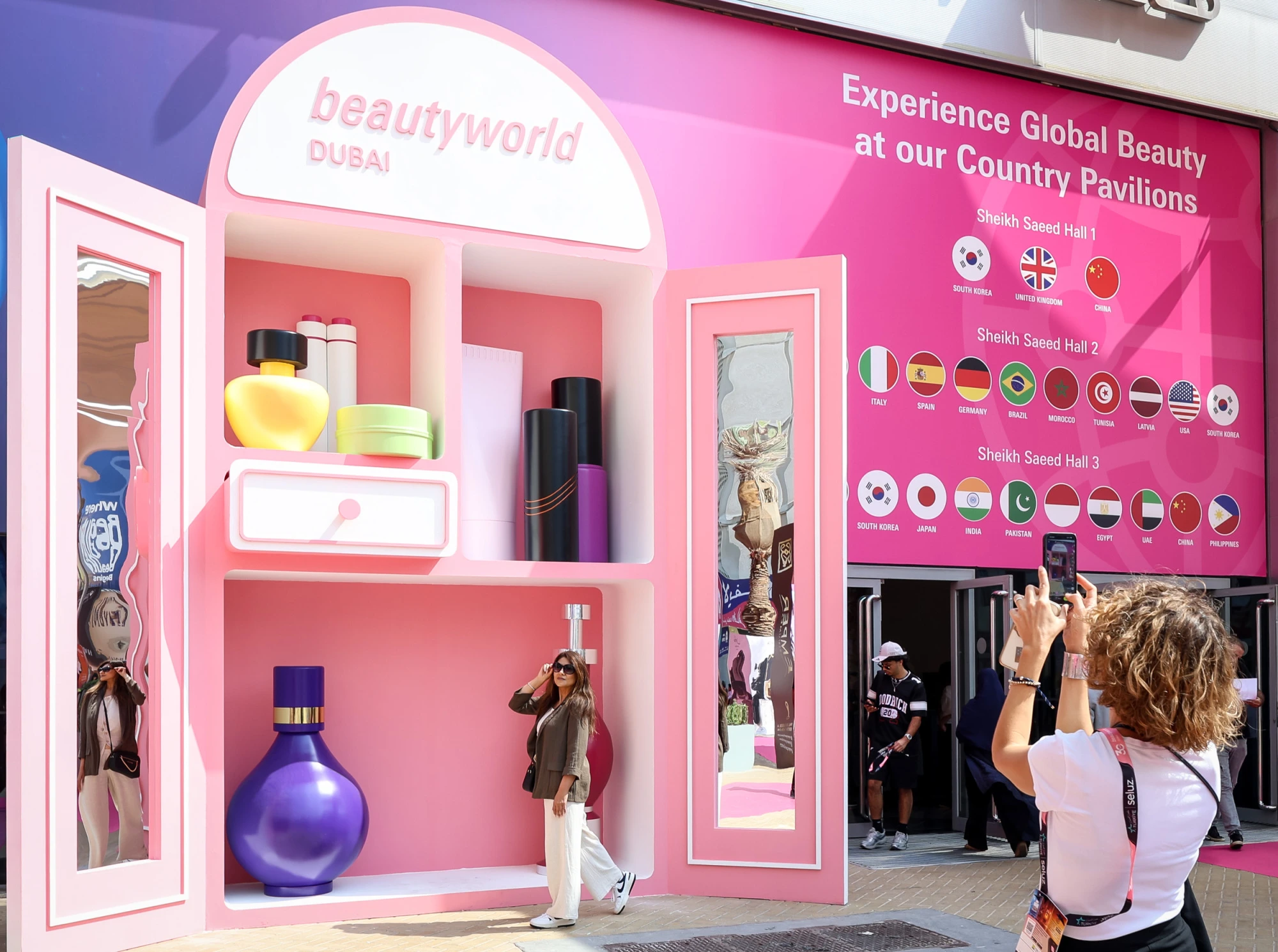
A GLOBAL BEAUTY POWERHOUSE OR A SHOW STILL FINDING ITS NEXT CHAPTER?
As Beautyworld Dubai celebrates three decades of beauty, fragrance and business, its 2026 edition signals a changing industry. But beyond the billion-dollar headlines, celebrity appearances and impressive exhibitor stands, what does the event get right and what must it do better?
October 2026
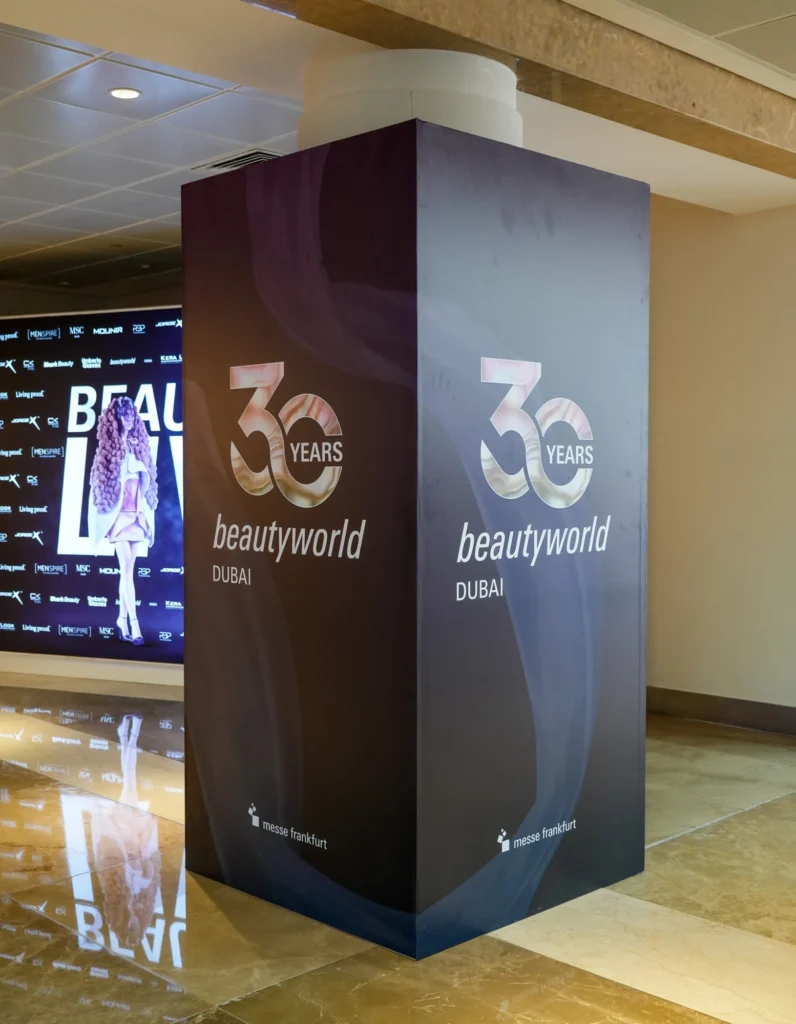
Dubai has never been a city content with simply participating in global trends. Its ambition has always been to bring industries, ideas and people together, then give them a platform on which to grow. Beautyworld Dubai, which concluded its 30th edition on 8 October, is an increasingly compelling example of that ambition in action.
Once known as Beautyworld Middle East, the exhibition has spent three decades evolving alongside the region’s beauty market. Its latest edition, held at Dubai World Trade Centre from 6 to 8 October 2026, brought together international manufacturers, fragrance houses, skincare brands, distributors, retailers, professional artists and beauty entrepreneurs.
According to the organiser’s closing press release, the event generated US$1.19 billion in reported business, recorded 62,130 visitors and welcomed 1,300 exhibitors from 56 countries. Across 1,324 exhibitor interviews, 51,614 deals were reported.
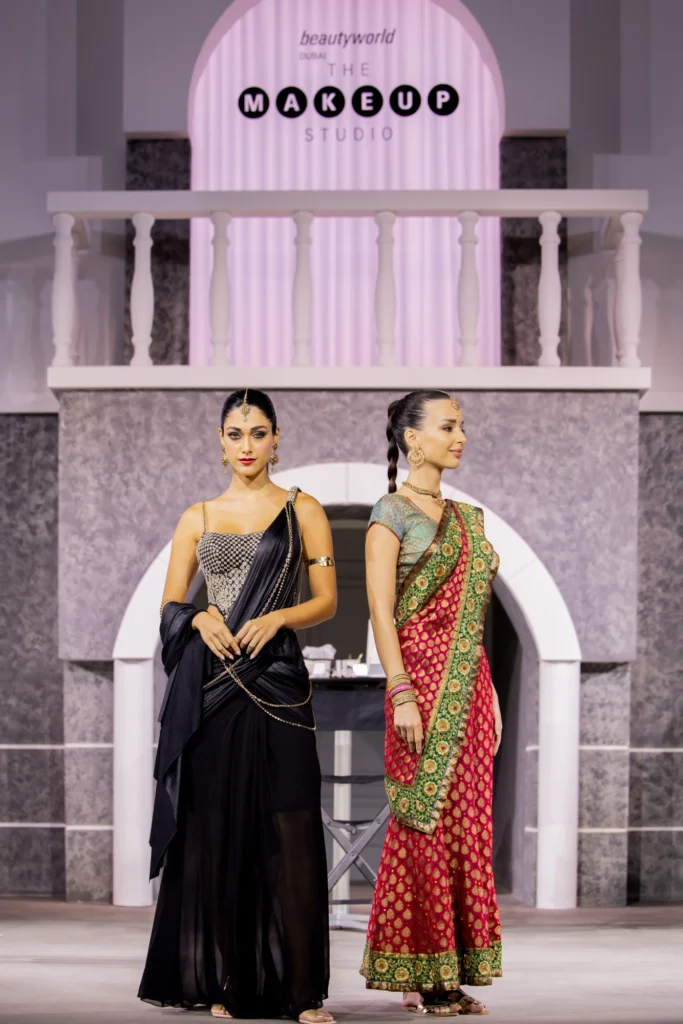
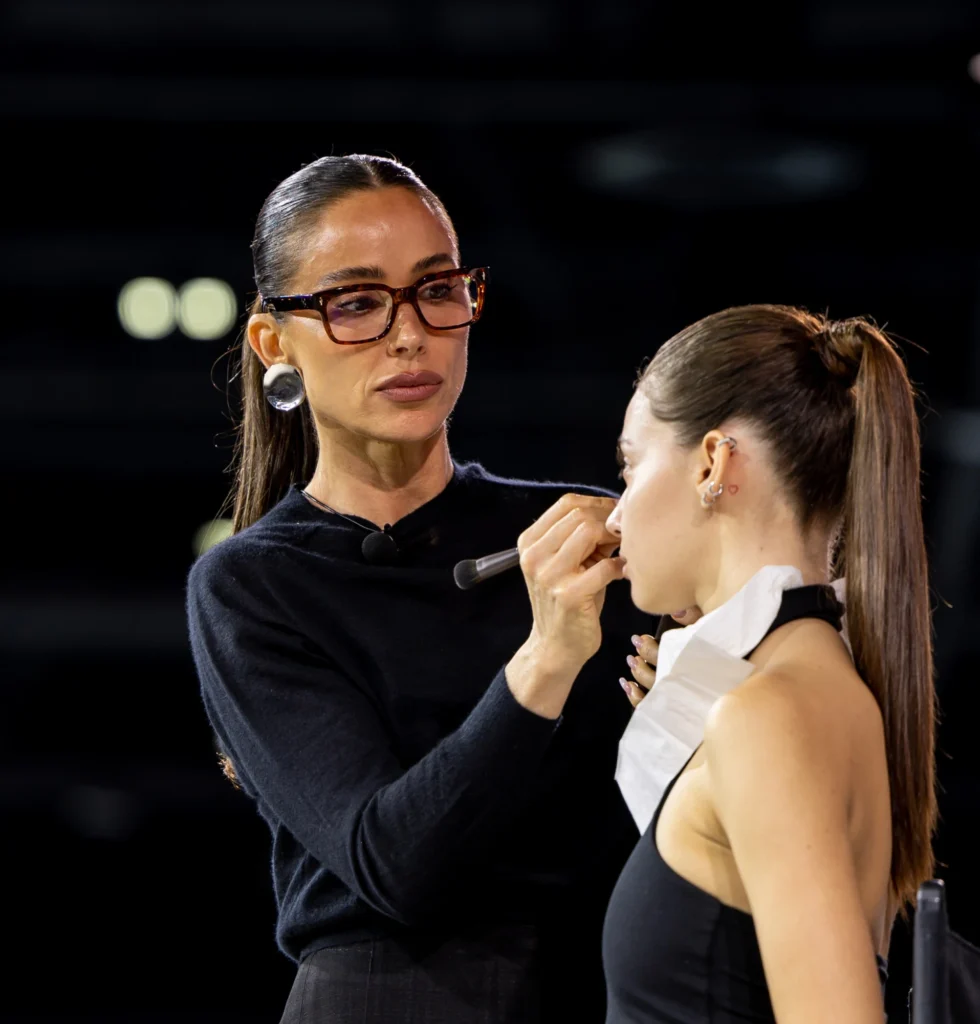
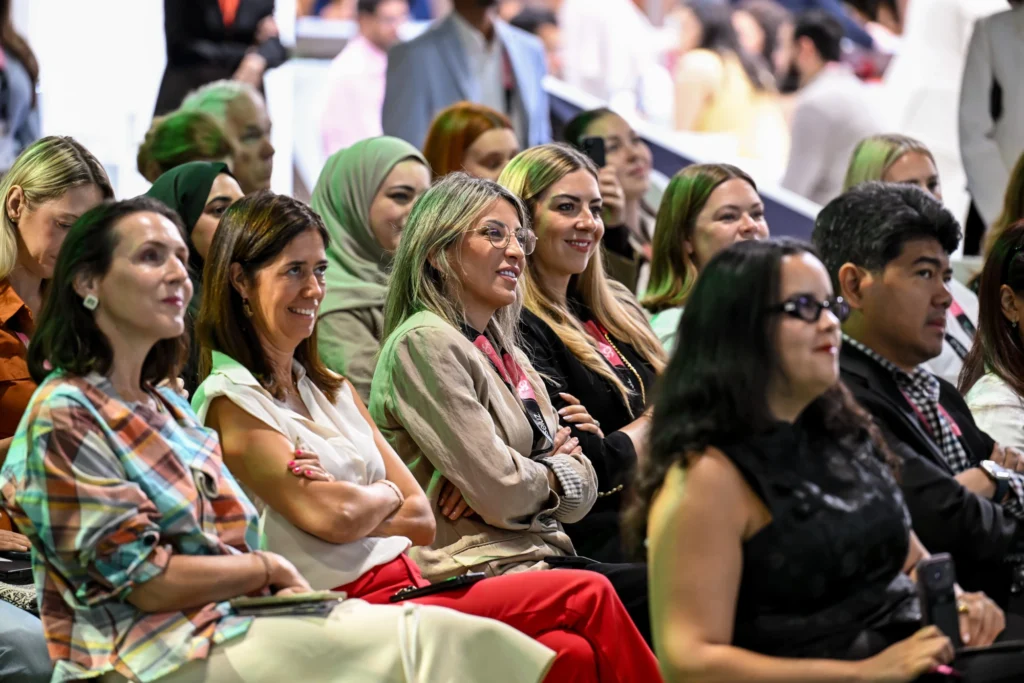
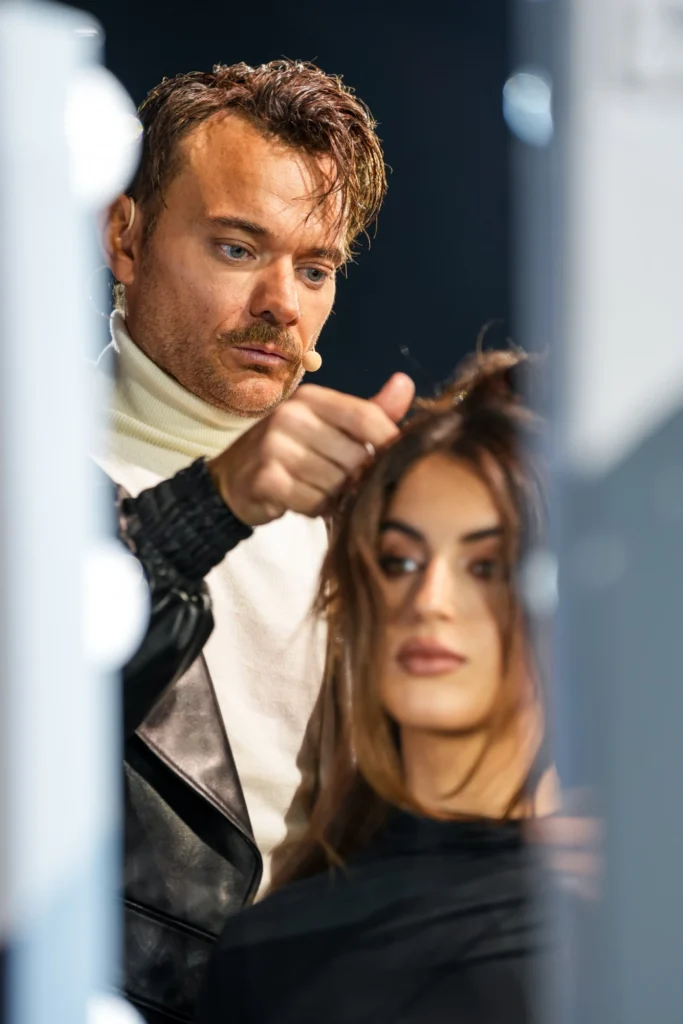
These are substantial figures. Yet the real significance of Beautyworld Dubai’s 30th edition is not simply how much business it claims to have generated. It is what the exhibition reveals about the changing balance of power in the global beauty industry, and whether it can translate that influence into an even better experience for everyone who attends.
The strengths: Where Beautyworld Dubai gets it right
1. Fragrance is no longer a supporting act
If one category captured the identity of this year’s exhibition, it was fragrance.
The organiser described the 2026 fragrance offering as the largest in the show’s history, expanding into a dedicated hall that brought international fragrance ingredient suppliers together with established and emerging finished-fragrance brands.
Industry names including Givaudan, dsm-firmenich, Symrise and Takasago featured alongside regional houses such as Rasasi, Lattafa and Armaf. New launches, product presentations and industry discussions demonstrated how the region’s fragrance business is expanding beyond distribution into brand creation, manufacturing and international market development.
The significance of this is difficult to overstate. Arabian perfumery is not simply a niche interest for an international audience. It is part of a broader commercial and cultural shift in which regional fragrance houses are building distinctive identities and attracting customers well beyond their traditional markets.
The presence of leading perfumers, including Jacques Cavallier Belletrud and Aurélien Guichard, also helped connect the region’s commercial momentum with the craft, ingredients and creative decisions behind fragrance.
The appearance of Salman Khan at Rasasi’s launch of Kenz de Rasasi brought additional attention to the show. Lattafa and Armaf also used the exhibition to introduce new products and engage distributors, retailers and content creators.
What deserves praise is the ecosystem, not just the spectacle. By bringing ingredient suppliers, packaging specialists, manufacturers and finished-product brands into the same environment, Beautyworld Dubai offers a practical advantage that goes beyond product launches. It creates opportunities for businesses to explore the journey from formulation to finished bottle under one roof.



For a region with growing ambitions in perfumery, this is one of the exhibition’s most valuable contributions.
2. A genuinely international meeting point
Beautyworld Dubai’s international reach is another clear strength.
The 2026 edition attracted visitors from outside the UAE who accounted for 42% of total attendance, according to the organiser. Brazil, the United States, the United Kingdom, France, Saudi Arabia, Kuwait and Oman were among the leading countries represented.
For exhibitors seeking distributors, retailers or manufacturing partners, this concentration of international participants can make a three-day event commercially worthwhile. Instead of travelling separately to multiple markets, businesses have an opportunity to meet potential partners in one location.
The exhibition also welcomed 239 first-time exhibitors, while the Philippines made its debut with a national pavilion. These additions suggest that the platform continues to attract businesses looking for new routes into the Middle East and beyond.
Dubai’s geographical position, international connectivity and established commercial infrastructure give the event a natural advantage. However, geography alone does not make an exhibition successful. Its value depends on the relevance of the people in the room and the quality of the connections made.
Beautyworld Dubai appears well positioned to deliver on that promise. The next challenge is to demonstrate more clearly how many of those connections translate into lasting commercial relationships.
3. Beauty education that extends beyond the exhibition stand
Trade shows can easily become endless rows of products, sales pitches and branded displays. Beautyworld Dubai’s decision to invest in professional education helps it rise above that format.
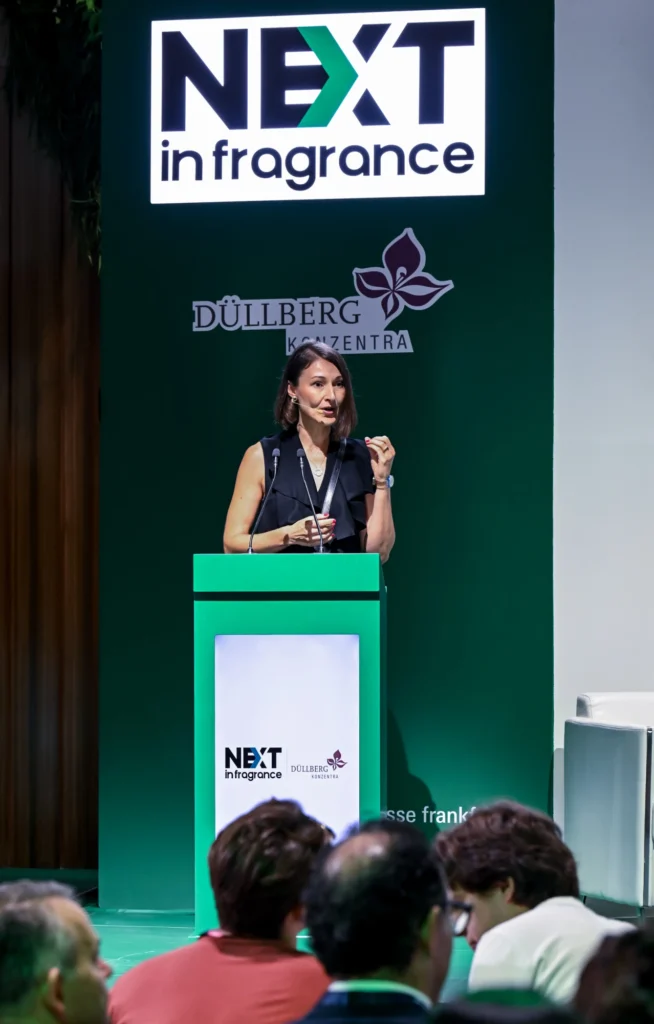
The 2026 programme included The Makeup Studio, beautyLIVE, Next in Beauty, Next in Fragrance, Natural Notes and the Beautyworld Dubai Awards.
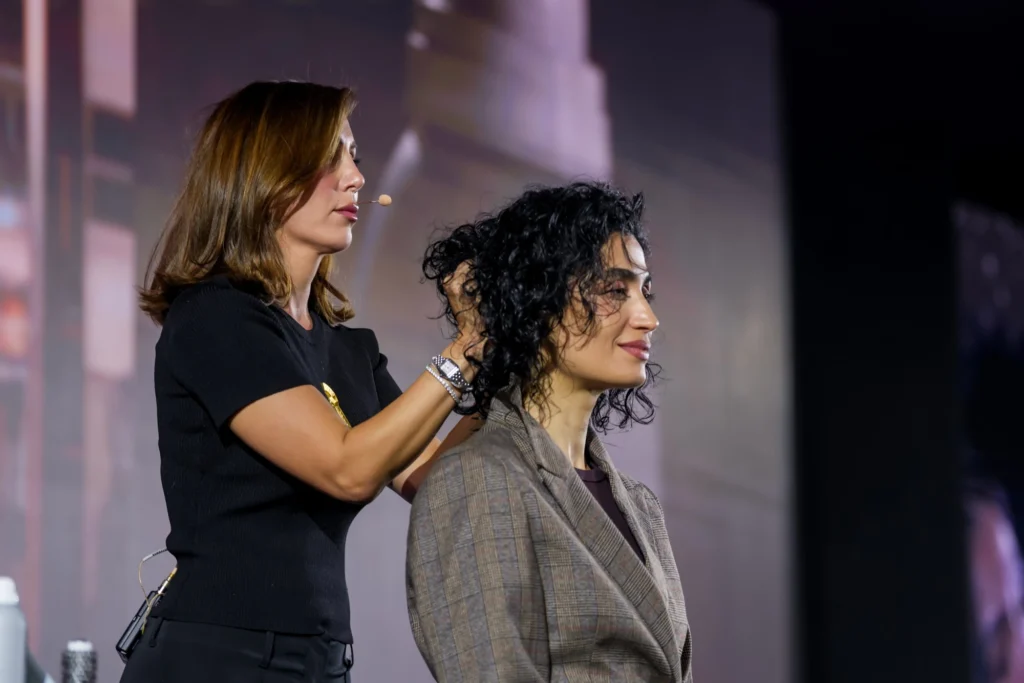
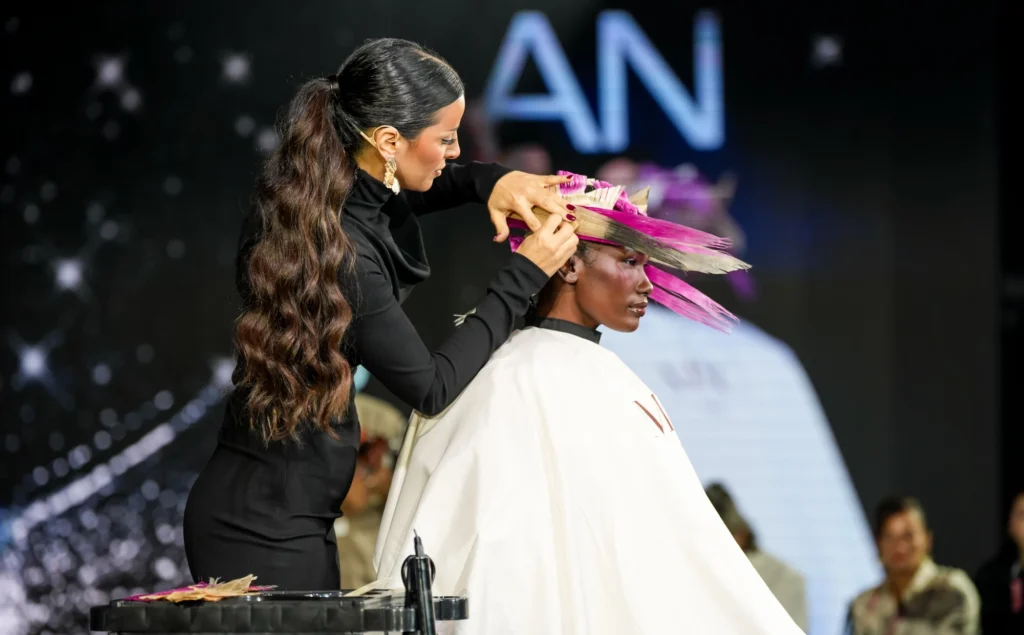
International artists and educators such as Mary Phillips, Patrick Ta, Mounir, Dimitris Giannetos, Josh Lamonaca and Maggie Seeman brought professional expertise to the event. Their demonstrations and masterclasses gave the programme a creative dimension, while the conference sessions addressed subjects including investment, retail strategy, beauty technology, ingredient awareness and the future of fragrance.
Patrick Ta’s participation was particularly relevant to aspiring founders. His account of the early challenges involved in establishing his own makeup brand highlighted a practical truth: building a beauty business requires much more than an attractive concept. Formulation, manufacturing, sourcing and supply-chain decisions can determine whether an idea becomes a viable company.
That is precisely where a trade exhibition can create value. It can connect creative ambition with the suppliers, knowledge and business relationships required to make it commercially possible.
The strongest educational events do not simply inspire their audiences. They leave people with knowledge they can apply when they return to work.
Beautyworld Dubai has the right foundations. Its next opportunity is to make practical learning even more accessible and measurable.
4. Recognising the region’s own beauty success stories
The recognition of Huda Kattan as Icon of the Year at the Beautyworld Dubai Awards was a fitting moment for the 30th edition.
Kattan’s journey with Huda Beauty is a powerful example of a brand founded in Dubai achieving international recognition. Her success reflects the growing ability of regional entrepreneurs to build businesses with global reach rather than simply represent international labels.
The awards programme, which recognised achievements across 17 categories, also provided a platform for brands working in fragrance, skincare, cosmetics, haircare, packaging, retail and beauty technology.
This breadth matters. The beauty industry is often presented through its most visible founders and consumer-facing products, but innovation also comes from the manufacturers, packaging designers, ingredient specialists and technology providers working behind the scenes.
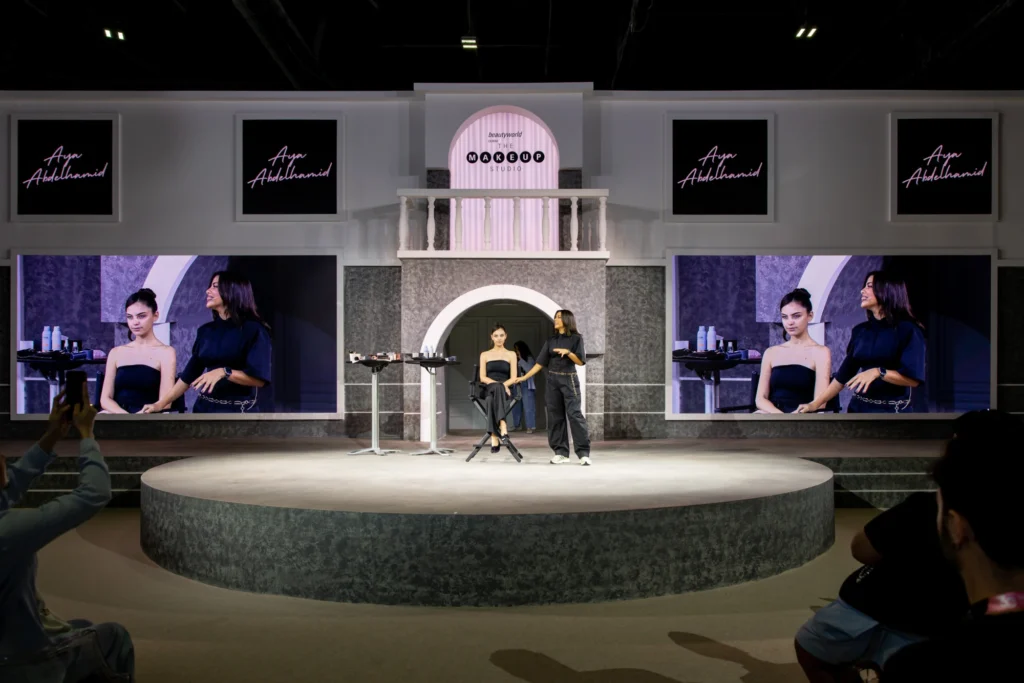
By acknowledging different parts of the value chain, the awards can help make those contributions more visible.
The opportunity now is to ensure that recognition remains credible, transparent and useful to the businesses receiving it. Clear judging criteria, accessible information about the judging process and meaningful follow-up on the winners’ subsequent progress would strengthen the awards’ long-term value.
Where Beautyworld Dubai can do better
A critical review should acknowledge that an impressive exhibition is not automatically an excellent experience for every participant. Scale creates opportunity, but it also creates responsibilities.
1. The business figures need more context
The headline figure of US$1.19 billion in reported business is impressive, but readers should understand exactly what it represents.
The organiser says the total was reported across three days, drawing on 1,324 exhibitor interviews. It also reports 51,614 deals, including 18,956 deals valued at US$460 million on the final day.
These figures demonstrate significant commercial activity, but they do not, by themselves, establish how much revenue was ultimately realised. A deal reported at an exhibition might represent a confirmed purchase, a preliminary agreement, an order to be fulfilled later or a prospective commercial arrangement.
Those distinctions matter.
Future post-show reports would be more informative if they explained how deals were defined, whether values were self-reported, how duplicate or overlapping opportunities were handled, and what proportion of reported business subsequently converted into completed transactions.
A follow-up survey three or six months after the exhibition could also measure distributor agreements signed, purchase orders fulfilled, new markets entered and repeat business generated.
Such transparency would not diminish the event’s achievements. It would give exhibitors, sponsors and the wider industry stronger evidence of its commercial impact.
2. The experience of smaller exhibitors deserves more attention
Large fragrance houses and internationally recognised brands can use striking stands, celebrity appearances and substantial marketing budgets to capture attention.
Smaller businesses do not necessarily have those resources.
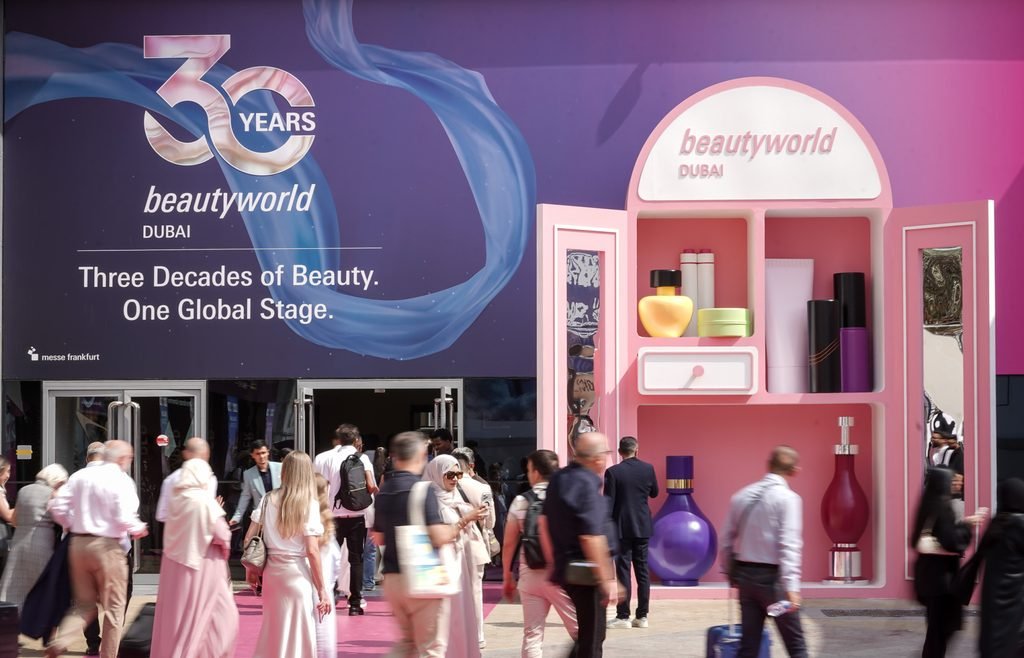
For an emerging skincare brand, independent perfumer or first-time exhibitor, the true measure of success may be finding the right distributor, securing a manufacturing partner or obtaining a first meaningful order.
The organiser’s reported 239 first-time exhibitors are encouraging. Yet the number of new participants alone cannot tell us whether they received sufficient visibility or a worthwhile return on their investment.
Beautyworld Dubai could strengthen its support for smaller exhibitors through more structured buyer introductions, affordable stand options, clearer guidance on exhibiting costs and dedicated sessions on export readiness, regulatory requirements and distribution negotiations.
A formal post-show survey broken down by company size and first-time versus returning exhibitors would help establish whether the benefits of the exhibition are reaching businesses at different stages of development.
An international platform becomes more valuable when it supports not only the companies that already have global recognition, but also those trying to earn it.
3. A US$75 ticket must deliver tangible value
For the 2026 edition, Beautyworld Dubai introduced a US$75 visitor registration fee, explaining that paid access would help prioritise professionals actively seeking suppliers, sourcing products and building commercial partnerships.
There is a reasonable argument behind this decision. A more focused audience may produce better conversations and reduce the presence of visitors with little professional purpose.
However, charging for entry also raises expectations.
Independent beauty professionals, consultants, small salon owners and entrepreneurs exploring a first business venture may be more sensitive to the cost than established buyers attending on company budgets. Travel, accommodation and time away from work can add considerably to the expense.
The question is not whether a professional exhibition should charge admission. It is whether the value delivered is sufficiently clear and accessible.
Future editions could consider transparent ticket benefits, targeted concessions for qualifying start-ups and independent professionals, and more detailed information about the sessions, matchmaking opportunities and business services included in the pass.
The organiser should also publish evidence of whether the paid-registration model improved buyer relevance, meeting quality and exhibitor satisfaction.
A higher barrier to entry is only an improvement if the resulting experience is demonstrably better.
4. Better navigation and a more seamless visitor journey
An exhibition covering fragrance, cosmetics, skincare, hair, personal care, beauty technology, ingredients and packaging is inherently complex.
Visitors may arrive with a tightly defined sourcing brief and only a few hours available. Others may want to discover emerging brands across several categories. Both groups benefit from clear navigation, accurate exhibitor information and an efficient way to plan their schedules.
Beautyworld Dubai already promotes digital tools, exhibitor discovery and advance meeting arrangements. The next step is to make the entire visitor journey feel seamless, from registration and arrival to locating stands, attending sessions and following up with contacts.
A more integrated event app could offer personalised routes, real-time session updates, searchable exhibitor categories, meeting reminders and practical alerts. Clearer information on transport, accessibility, food, rest areas and facilities would also help visitors use their time effectively.
These are not minor conveniences. At a large trade show, time spent finding a stand or missing a session because of scheduling conflicts is time taken away from potential business.
The organiser’s planned move to Dubai Exhibition Centre at Expo City Dubai in 2027 presents an opportunity to rethink the physical experience as well. The new venue should be assessed not only for its capacity to accommodate growth, but also for ease of movement, wayfinding, transport connections and the comfort of visitors spending long days on site.
5. More transparency on sustainability and responsible beauty
Sustainability and responsible sourcing are increasingly important themes in beauty, from ingredient traceability and packaging design to manufacturing practices and consumer trust.
Beautyworld Dubai has made space for these conversations through its conference programme, natural-ingredient showcases and product categories focused on packaging and innovation.
That is a positive start, but the event could go further by making sustainability more visible in its own operations.
Exhibitors and visitors would benefit from clearer information on waste reduction, reusable stand materials, recycling arrangements, refillable packaging, responsible ingredient sourcing and the handling of exhibition waste.
The event could also publish its own sustainability objectives and report progress against them. For example, it could disclose the proportion of reusable stands, the amount of waste diverted from landfill or the number of exhibitors meeting defined environmental criteria.
Such measures would turn sustainability from a topic discussed on stage into a practical standard demonstrated across the exhibition.
Beautyworld Dubai has an opportunity to help set expectations for the industry, not simply reflect them.
6. More evidence that the audience is satisfied
One important limitation in assessing the 2026 edition is the lack of a sufficiently broad, independently verifiable body of post-event visitor reviews available in the public sources reviewed for this article.
The organiser’s own communications highlight the exhibition’s achievements, while exhibitor announcements and social-media posts often focus on launches, networking and participation. These are useful signals of engagement, but they are not equivalent to a representative survey of the visitor experience.
The historical picture is encouraging. Beautyworld Middle East’s official 2024 post-show report recorded 97% visitor satisfaction and 83% exhibitor satisfaction. However, these are organiser-published figures, and the public report does not provide enough methodological detail to assess how the responses were collected or how representative they were.
For the 2026 edition, an independently administered survey would offer a stronger basis for evaluating satisfaction. It should cover not only whether visitors enjoyed the exhibition, but also whether they found relevant suppliers, attended useful sessions, established worthwhile contacts and achieved their objectives.
Publishing the findings alongside areas for improvement would show confidence in the event and create a clearer benchmark for future editions.
Reading beyond the headlines
Beautyworld Dubai’s reported visitor total of 62,130 deserves a little context.
The organiser’s 2024 post-show report recorded 71,439 visitors and more than 2,000 exhibitors. The 2026 closing release, by comparison, reports 62,130 visitors and 1,300 exhibitors.
These figures warrant clarification rather than an immediate conclusion that the exhibition has declined. The reports may use different counting conventions, definitions or reporting methods, and the 2026 press release does not explain the differences in sufficient detail to establish a like-for-like comparison.
Nevertheless, transparent year-on-year reporting would help the industry understand whether the event is prioritising a smaller, more commercially focused audience, changing the composition of its exhibitor base or measuring attendance differently.
This is especially relevant given the organiser’s decision to introduce paid visitor registration. If the strategic priority is quality rather than quantity, the most useful evidence would show the proportion of decision-makers attending, the number of qualified meetings held, exhibitor satisfaction and the commercial outcomes generated.
A mature event should be comfortable explaining not just its biggest numbers, but what those numbers mean.
The next chapter: From a successful exhibition to an indispensable industry platform
Beautyworld Dubai’s 30th edition marks a significant moment in its history. Its expanded fragrance presence, international participation, professional education and recognition of regional brands all point to a platform with genuine relevance to the global beauty industry.
The event’s strongest asset is its ability to bring together businesses that might otherwise operate in separate worlds: ingredient suppliers and brand founders, manufacturers and retailers, emerging entrepreneurs and established industry leaders.
Its challenge is to ensure that this breadth creates meaningful value for all participants.
That means measuring commercial outcomes more rigorously, supporting smaller businesses more deliberately, improving the visitor journey and demonstrating a stronger commitment to responsible event practices.
It also means recognising that the future of beauty will not be shaped by celebrity appearances and product launches alone. It will be shaped by formulation, research, manufacturing, distribution, consumer trust, technology and the ability of businesses to build lasting relationships across markets.
Beautyworld Dubai has already demonstrated that Dubai can serve as a meeting point for those ambitions. The next step is to prove, edition after edition, that the exhibition can convert that position into lasting value.
Its move to Dubai Exhibition Centre at Expo City Dubai in 2027 provides a natural opportunity to do exactly that.
The verdict? Beautyworld Dubai is an important and increasingly influential platform for the beauty industry, with fragrance emerging as a particularly compelling strength. Its 30th edition offers convincing evidence of commercial scale and international relevance. The next measure of success, however, should be the quality of its business outcomes, the inclusiveness of its opportunities and the consistency of its visitor experience.
Thirty years is an achievement worth celebrating. The more ambitious question is what the next thirty years will deliver.
For Meri and Rime Magazine, the most interesting story is not simply that global beauty has arrived in Dubai. It is whether Dubai can continue to shape the industry in ways that are commercially meaningful, creatively ambitious and genuinely valuable to the people building its future.
Editorial note: Attendance and deal figures in this article are attributed to the organiser. The assessment of potential improvements reflects editorial analysis of publicly available information, rather than a claim that every visitor or exhibitor experienced these shortcomings. No unverified negative reviews or individual complaints have been presented as established fact.