Bindi Irwin’s conservation has never been simply professional or a public mission. It is a way of life, shaped by a childhood spent among wildlife, a deep connection to the natural world, and the enduring influence of a family dedicated to protecting the planet. As the CEO of Australia Zoo and a passionate conservation advocate, Bindi continues to carry forward the work begun by her parents while building her own voice as a new generation of environmental leadership. Through her work with Australia Zoo, Wildlife Warriors, and the Australia Zoo Wildlife Hospital, she remains committed to protecting endangered species, preserving natural habitats, and inspiring people around the world to recognise their shared responsibility toward the Earth. Yet beneath the scale of her conservation efforts lies a deeply personal philosophy rooted in empathy, everyday kindness, and hope for the future. In this conversation with Meri & Rime Magazine, Bindi reflects on the lessons of her upbringing, her father’s extraordinary legacy, the importance of reconnecting with nature, and the world she hopes to protect for her daughter and generations to come.
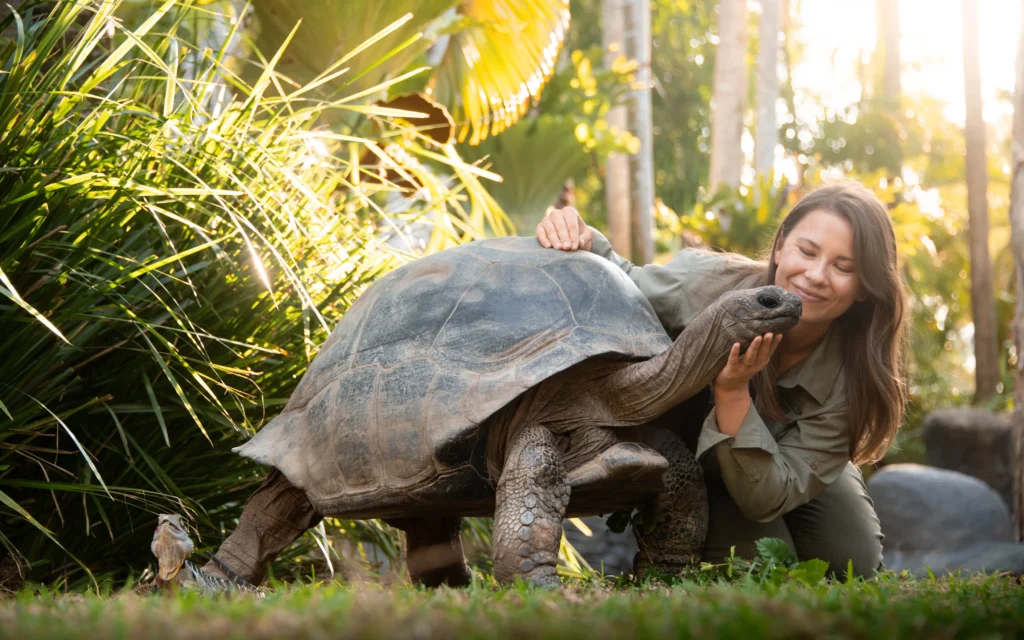
I have quite literally grown up here at Australia Zoo. My childhood home, where I lived with my parents, was nestled among the spectacular zoo gardens. Today, I live in a new home with my beautiful daughter and husband, still on zoo grounds. Australia Zoo is like a resort for wildlife, with enormous habitats for all our animals. We are part of endangered species breeding programs that are vital for species protection, and our goal is to provide the world’s best animal experiences for our guests. The honour of my lifetime is being part of the conservation work that my parents originally began all those years ago. I feel incredibly lucky to continue this work today.
Living among so many different animal species meant that I developed a connection with wildlife and wild places from as far back as I can remember. One of the greatest lessons I have carried with me is the importance of empathy for all living beings. Showing kindness toward every person, every animal, and the environment we all share is what matters most. For the rest of my life, I will do my absolute best to protect our planet and hopefully inspire others to do the same. If I have learned anything over the years, it is that we are intrinsically linked with the Earth, and our actions today will echo throughout history. That is why it is critical for us to come together as a society to protect this beautiful planet we call home. It is the only way we can ensure clean air, fresh drinking water, and an abundance of wildlife for future generations.
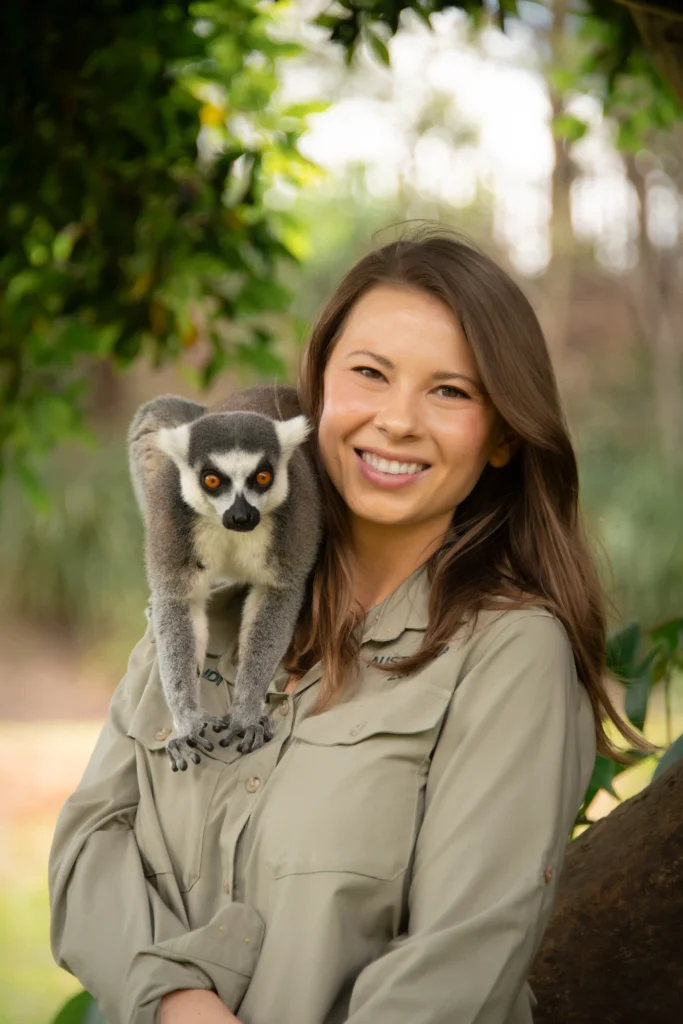
I think that in this ever changing technological environment in which we live, we have access to more information than ever before. However, we seem to be losing touch with one another and with the natural world. I believe that now, more than ever, we need to go outside and reconnect with who we are and the people we love. It can be easy to forget that, in order for us to survive, we have to help our Earth thrive.
I will forever be in awe of Dad’s ability to reach through the television and bring people along on his life changing adventures. He had an innate ability that was truly unique to him. Interestingly, he was exactly like that in real life, not just on television. He was and always will be my superhero, and I am so grateful that I get to carry on his mission with my family through our work at Australia Zoo and globally through our charity, Wildlife Warriors.
Even though I am my own person, I feel that Dad’s message resonates with me more and more as I get older. He wanted to ensure a beautiful planet and protection for all animals, not just the cute and cuddly ones, but also animals like crocodiles and snakes, which deserve just as much respect and appreciation. That is why I am so proud to be the CEO of Australia Zoo and to continue working with my family to reach new heights in our conservation efforts.
Our charity supports projects protecting tigers in Sumatra and rhinos in Kenya, while our Australia Zoo Wildlife Hospital has rescued and rehabilitated more than 100,000 patients. I love that I get to find my own way of bringing the conservation message to people. When you are in the thick of things, fighting for conservation, it can be easy to feel overwhelmed. However, I hope that my message and legacy will always be one of kindness and hope for the future.
At our Australia Zoo Wildlife Hospital, we have a message that says, “Saving the species, one life at a time.” We have treated sick, injured, and orphaned animals who desperately deserve a second chance at life in the wild. We pour millions of dollars into saving every animal that comes through our doors.
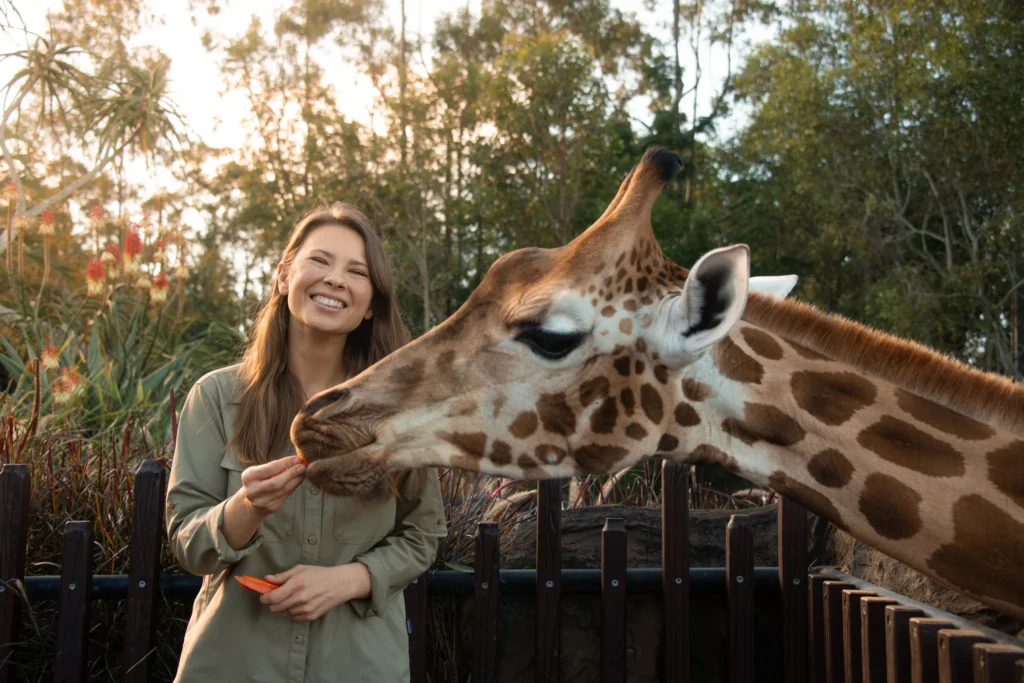
It can feel dire at times when you look at everything happening to our planet. However, it is important to focus on every thoughtful action that can add up to something monumental for the future. Every tree planted, every animal saved, every light switched off, and every act of kindness shared contributes to a shift for the generations yet to come. No one person can change the tide alone, but together we can decide what our future will become, and it starts with the small choices we make every day.
I try really hard to share stories of hope and remind everyone that our wildlife wants to persevere. These animals want to survive, and we simply need to give them an environment in which they can thrive and prosper. In doing so, we also ensure a healthier, more pristine environment for ourselves.
I believe in volunteering your time. If you can find a local wildlife organisation and volunteer to help, that would be enormously beneficial for the species in your area. I also recommend organising days with friends and family to clean up your local park, beach, or neighbourhood. Fundraising is important for organisations that are desperately trying to protect animals and their homes. Through our own fundraising programs for Wildlife Warriors, I know with absolute certainty that the money we raise goes toward protecting at risk species on a global scale.
Finding ways to minimise your environmental footprint in everyday life is extremely important, and those efforts absolutely add up over time. Not purchasing wildlife products is another wonderful way to protect animals. We do not want to see snakes turned into boots, bags, and belts. Fur should be a thing of the past, and we should not be eating animals like whales and sharks. Wildlife should never be consumed or killed for fashion.
Finally, your voice matters. Voting for people who will bring about positive change is crucial for the future of our Earth. Every person has the opportunity to make choices that reflect their values, and when those choices come together, they can have a powerful impact.
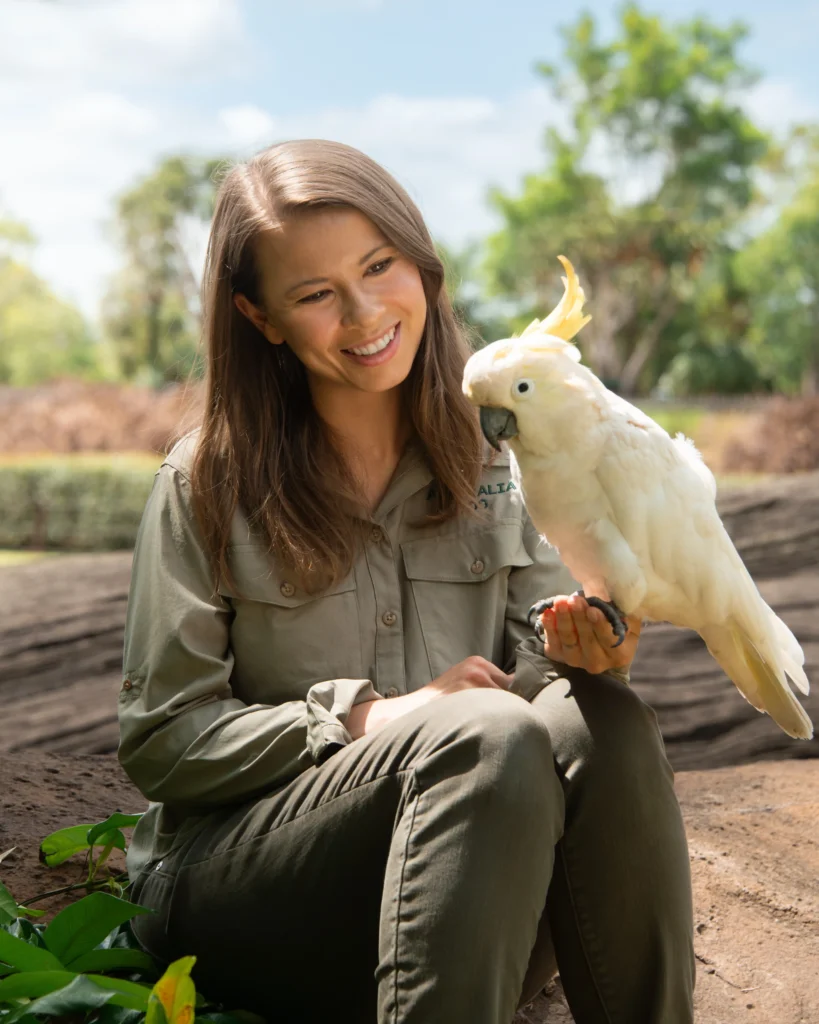
My hope is not only to share our stories of wildlife conservation here at Australia Zoo and around the world, but also to encourage people to get outside and find time to be truly present in nature. I think the best way to protect the Earth is to first reconnect with the place we call home.
Protecting an animal often means protecting the entire environment it depends on. How do you see the relationship between animal welfare, habitat preservation, and the long term health of our planet?
Human interference is the greatest threat to healthy, balanced ecosystems. A great example is the saltwater crocodile, which we have here in Australia. In places where saltwater crocodiles naturally occur, there is an incredibly healthy ecosystem beneath them. As apex predators, they act like the roof of your house, helping to ensure that everything below them remains balanced.
Where ecosystems are healthy, there is an abundance of animals, and the entire environment is better able to thrive. It is crucial for the long term health of our planet that we support these natural ecosystems and avoid negatively disrupting their balance through hunting and resource depletion. Every species has a role to play, and understanding those connections is essential to protecting the natural world as a whole.
Becoming a mother brings a deeply personal dimension to the idea of protecting the future. Has motherhood changed the way you think about the world you hope to preserve for the next generation?
Since my daughter was born, I feel more responsibility to protect the planet than ever before. I want her to grow up in a world where she feels safe.
I believe our governments need to seriously consider the impacts of technology on our future. As new, enormous data centres are being pushed forward, resources are being stretched, and I am incredibly worried about what this means for the future.
There is a famous saying, although there is some debate about who originally said it, that captures the consequences of neglecting the natural world: “When the last tree is cut down, the last fish caught, and the last river poisoned, only then will we realize that one cannot eat money.”
It is a powerful reminder that economic progress cannot replace the natural resources on which all life depends. We need to think carefully about the choices we make today and the kind of world those choices will create for tomorrow.
The future of wildlife conservation depends on encouraging more people to get involved and helping them realise that conservation is not just about little woodland creatures. Ultimately, it is about us as human beings, too. Our future is inseparable from the health of the planet, and we need to support new innovations and the people developing positive solutions to protect it.
For Bindi Irwin, conservation is ultimately an expression of care, extending beyond individual animals to encompass entire ecosystems, communities, and the generations who will inherit the Earth. Her work honours the extraordinary foundation laid by her parents while reflecting a personal conviction that hope is sustained through action, empathy, and a willingness to stand up for the natural world. Whether through the lifesaving work of the Australia Zoo Wildlife Hospital, international conservation initiatives, or the simple encouragement to step outside and reconnect with nature, her message remains grounded in the belief that every individual has a role to play. As she raises her daughter and continues to lead conservation efforts, the future she envisions is one in which people recognise that protecting wildlife is inseparable from protecting themselves. It is a legacy not defined solely by the number of animals saved or habitats preserved, but by the kindness inspired in others and the collective determination to leave the planet healthier than we found it.