

Jane Stevens

The Nervous System Rebellion and the End of Relentless Optimisation

The Nervous System Rebellion and the End of Relentless Optimisation

For the better part of a decade, wellness has been defined by numbers. Steps counted, calories logged, heart rate variability tracked, sleep cycles dissected each morning with forensic attention. Smart rings glowed softly on fingers as silent judges of recovery and readiness. Every metric became a proxy for virtue. In February 2026, however, a palpable shift is underway. The culture of constant self quantification has begun to feel exhausting. We have entered what many are calling optimisation fatigue, and in its wake comes a neurowellness backlash that prioritises safety over performance, regulation over relentless improvement. The promise of the optimisation era was seductive. If you could measure it, you could master it. Wearable technology translated the body into data, offering dashboards of biological feedback that seemed to grant control over energy, focus and longevity. Productivity and wellness merged into a single pursuit. Sleep was no longer simply rest but a score. Recovery was gamified. Even meditation became a means to enhance output rather than soften experience. For a time, this framework felt empowering. Yet gradually, for many, it became another arena of pressure. Optimisation fatigue does not emerge from rejection of health itself but from the strain of perpetual self surveillance. When every fluctuation in mood or metabolism is quantified, the body risks being experienced as a project rather than a home. Minor deviations from target metrics can trigger disproportionate anxiety. A restless night becomes a red flag for diminished performance. A higher heart rate variability reading is celebrated not because one feels calm but because the number confirms it. The result is a subtle but pervasive disconnection from embodied intuition. The neurowellness backlash reframes the objective entirely. Instead of chasing peak performance, the emphasis is on nervous system regulation. Central to this conversation is the vagus nerve, a complex cranial nerve that plays a crucial role in the parasympathetic nervous system. Often described as the body’s safety conduit, it influences heart rate, digestion, immune response and emotional regulation. When vagal tone is healthy, the body can transition smoothly from states of stress to states of rest. When it is dysregulated, individuals may experience chronic tension, anxiety or fatigue. In recent months, clinics and studios have reported a surge in interest around practices designed to stimulate and soothe the vagus nerve. Sound baths, once considered fringe or purely spiritual, are being reinterpreted through a neuroscientific lens. The sustained tones of gongs and crystal bowls are said to entrain brainwave patterns, nudging the nervous system towards slower rhythms associated with relaxation. Participants lie on mats in dimly lit rooms, allowing vibrations to wash over them without the goal of measurable output. The absence of performance metrics is part of the appeal. Cold plunges, previously marketed as tools for boosting resilience and metabolic efficiency, are also being reframed. Rather than enduring icy immersion to demonstrate toughness or increase dopamine spikes, practitioners are encouraged to approach cold exposure as a dialogue with the nervous system. The aim is not to withstand discomfort for bragging rights but to practise controlled stress followed by deliberate recovery. Slow breathing during immersion and gentle warming afterwards reinforce a sense of agency and safety. The emphasis shifts from conquest to calibration. Even technology is being repurposed in this new paradigm. Neuro wearables, once focused on tracking productivity or cognitive output, are increasingly designed to support regulation. Some devices use gentle electrical stimulation along the neck or ear to activate vagal pathways. Others provide real time feedback on breathing patterns, guiding users towards slower, more coherent rhythms. Unlike the competitive dashboards of earlier wearables, these tools often avoid gamified scoring systems. Their purpose is to cultivate awareness and ease rather than drive improvement curves. Somatic release practices have also entered mainstream discourse. Rooted in trauma informed therapy and body based psychology, these techniques encourage individuals to notice and discharge stored tension through movement, breath and subtle physical cues. Shaking, stretching and guided body scans are used to help the nervous system complete stress cycles that may have been interrupted. The language of safety is central. Rather than asking what the body can achieve, practitioners ask whether it feels secure. This pivot towards safety reflects a deeper cultural recalibration. Years of global uncertainty, digital overload and economic pressure have left many in a state of low grade hyper vigilance. Constant connectivity blurs boundaries between work and rest. Notifications arrive at all hours, keeping the sympathetic nervous system on alert. In this context, optimisation can feel like another demand layered onto an already taxed system. The neurowellness movement recognises that without foundational regulation, performance gains are fragile Importantly, the backlash does not reject science. On the contrary, it draws heavily from research in neuroscience and psychophysiology. Studies on vagal tone, heart rate variability and the impact of breathwork on stress hormones inform many of the recommended practices. The difference lies in intention. Data becomes a compass rather than a scoreboard. Metrics are used sparingly to inform self understanding, not to enforce constant upgrading. There is also a social dimension to this shift. Group sound baths, communal breathwork sessions and guided cold immersions create shared experiences of vulnerability and recovery. In contrast to solitary tracking rituals, these gatherings emphasise connection. The presence of others can itself enhance feelings of safety, reinforcing the parasympathetic response. Wellness becomes relational rather than purely individualistic. Critics argue that the neurowellness wave risks commodifying yet another aspect of human experience. Vagus nerve stimulation devices and curated retreats carry price tags that may limit accessibility. There is a delicate balance between democratising knowledge about nervous system health and turning regulation into a luxury product. Nevertheless, the underlying message resonates widely. People are tired of striving to be optimised versions of themselves at all times. The nervous system rebellion signals a maturation of the wellness conversation. It acknowledges that human beings are not machines to be tuned endlessly for output. Performance has its place, but without a felt sense of safety it becomes hollow. By prioritising regulation, rest

The Nervous System Rebellion and the End of Relentless Optimisation Read More »
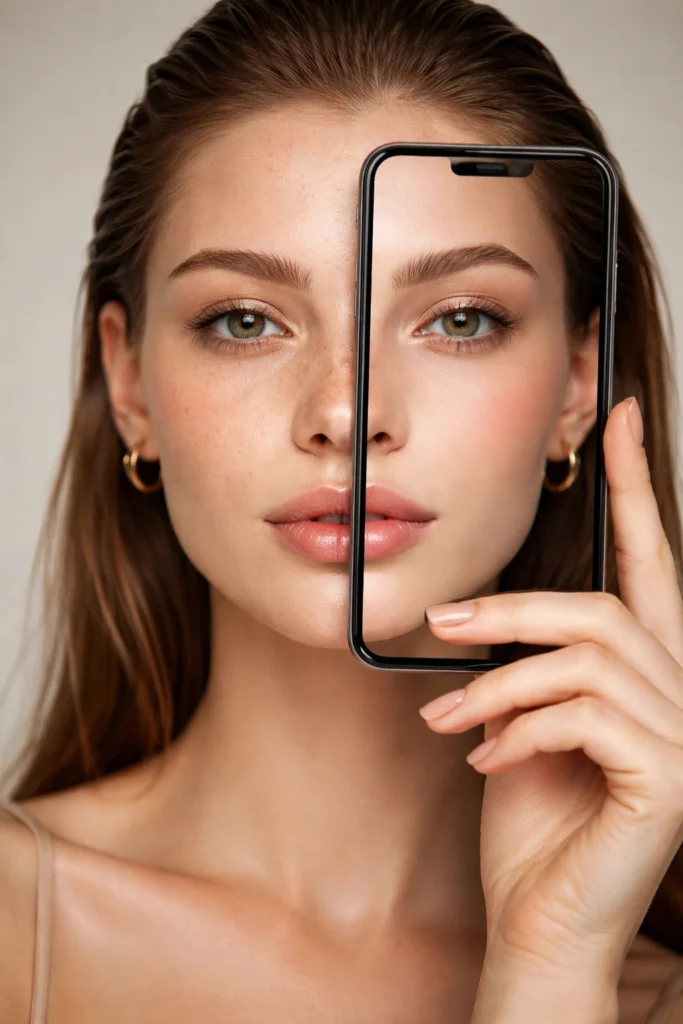
Are We Enhancing or Editing Ourselves? The Psychology Behind Aesthetic Obsession explores beauty culture, self-image, social validation, and modern identity.

The Psychology Behind Aesthetic Obsession, Are We Enhancing or Editing Ourselves?

In an era dominated by digital perfection, where a single filter can redefine your features in seconds, it’s worth pausing to reflect: are we truly enhancing our natural selves, or are we editing away the very qualities that make us unique? The world of beauty, glamour, and wellness has never been more accessible, with skincare regimens promising eternal radiance, cosmetic procedures offering tailored transformations, and social media serving as the ultimate showcase. Yet, this pursuit often ventures beyond mere self-care into a deeper psychological territory, an obsession with aesthetics that can either empower or undermine our sense of identity. As we unpack the mental underpinnings of this phenomenon, we’ll examine how societal pressures, digital influences, and personal motivations intertwine, drawing from psychological insights to encourage a more mindful approach to beauty. Whether you’re a skincare enthusiast or someone contemplating a subtle tweak, understanding these dynamics can help you navigate the fine line between healthy enhancement and compulsive alteration. The Digital Mirror: How Social Media Fuels the Fire Imagine logging into your favorite app only to be greeted by a parade of impeccable complexions, chiseled contours, and physiques that appear effortlessly ideal. Social media has transformed into a relentless curator of beauty standards, where algorithms prioritize content that embodies societal ideals of flawlessness. This isn’t just passive viewing; it’s an immersive experience that reshapes how we see ourselves. Platforms like Instagram and TikTok create virtual echo chambers, amplifying trends that celebrate narrow definitions of attractiveness such as dewy skin, sharp jawlines, and ageless vitality. The result? A distorted self-image where our unfiltered reflections feel inadequate by comparison. The psychological toll of this exposure is significant and multifaceted. Regular encounters with heavily edited images and influencer lifestyles can breed profound feelings of inadequacy, igniting a vicious cycle of comparison that erodes self-esteem. Research from various studies underscores this impact, revealing heightened levels of body dissatisfaction, particularly among adolescents and young adults who are still forming their identities. Viral trends such as “thinspo” (short for thin inspiration) and “fitspo” (fitness inspiration) glamorize extreme body ideals, often portraying them as achievable through sheer willpower, while downplaying the role of genetics, privilege, or digital manipulation. These movements can subtly normalize disordered behaviors, where the quest for likes overshadows genuine health. Moreover, the ubiquity of editing tools, filters, apps like Facetune, and AI-driven enhancements further blurs the boundary between reality and fabrication. This can exacerbate conditions like body dysmorphic disorder (BDD), a mental health issue where individuals fixate on imagined or minor flaws, leading to obsessive thoughts and behaviors. In BDD, what might start as a casual scroll evolves into hours spent scrutinizing one’s appearance, sometimes culminating in unnecessary interventions. Psychologists point out that this isn’t mere vanity; it’s tied to our evolutionary wiring for social belonging. In primitive times, fitting in meant survival; today, it translates to garnering digital validation through hearts and comments, which release dopamine hits akin to rewards. Younger generations, in particular, are vulnerable. As one expert observes, the influx of polished content can instill a “sense of inferiority,” prompting teens to seek confidence cues from influencers rather than internal sources. This external reliance can hinder emotional development, fostering anxiety when real-life appearances don’t match the curated online persona. Consider the rise of “Snapchat dysmorphia,” where users request surgeries to mimic their filtered selves, highlighting how technology isn’t just reflecting society—it’s reshaping it. To counter this, awareness is key: recognizing that behind every perfect post is often a team of editors, lighting experts, and perhaps even professional retouchers can help reclaim a more grounded perspective. The Fine Line: Enhancement vs. Editing Distinguishing between enhancement and editing is crucial in this aesthetic landscape. Enhancement typically involves practices that nurture and amplify your inherent qualities—think a consistent skincare routine that promotes a healthy glow, or regular exercise that builds strength and vitality. These actions stem from a place of self-love, aiming to feel better in your skin without fundamentally altering your core features. Editing, conversely, often crosses into territory driven by discontent, such as serial cosmetic procedures or extreme diets aimed at conforming to external ideals rather than personal fulfillment. At the heart of this distinction lies motivation, influenced by psychological factors like self-esteem and cultural conditioning. Low self-worth, amplified by media narratives that equate beauty with success, can propel individuals toward drastic changes. The “Zoom boom” phenomenon during the global pandemic exemplifies this: with video calls becoming the norm, self-scrutiny skyrocketed, leading to a notable increase in aesthetic procedures among those under 30. What began as a way to address pandemic-induced isolation morphed into a broader trend, where virtual meetings highlighted perceived imperfections like under-eye bags or asymmetrical features. However, this path can be precarious. Psychologists warn that while initial tweaks might provide a temporary lift, they can spiral into obsessive patterns if underlying issues aren’t addressed. It’s akin to a feedback loop: one procedure satisfies a flaw, only to spotlight another, perpetuating dissatisfaction. Cultural contexts play a role too; in societies where youth and symmetry are prized, such as in Western media or K-beauty influences from Asia, the pressure intensifies. Gender dynamics add layers. Women often face more scrutiny, but men are increasingly affected by ideals of muscularity and hair restoration. Exploring personal stories can illuminate this. Take someone who opts for lip fillers to enhance a smile they’ve always loved versus another who does it to mimic a celebrity’s pout, driven by insecurity. The former might experience lasting confidence; the latter could find the change never quite “enough.” To navigate this, introspection is vital: asking “Why am I doing this?” can reveal whether it’s enhancement rooted in joy or editing fueled by fear. The Upside: When Aesthetics Empower Amid the cautions, it’s essential to acknowledge the empowering potential of aesthetic pursuits. When undertaken thoughtfully, these choices can profoundly uplift mental health. Psychological research supports this, showing that cosmetic interventions ranging from non-invasive treatments like Botox to more involved surgeries frequently result in enhanced self-esteem, diminished social anxiety, and an overall

The Psychology Behind Aesthetic Obsession, Are We Enhancing or Editing Ourselves? Read More »