Ami Pandey

The Rise of Slow Fashion as a Cultural Movement

The Rise of Slow Fashion as a Cultural Movement

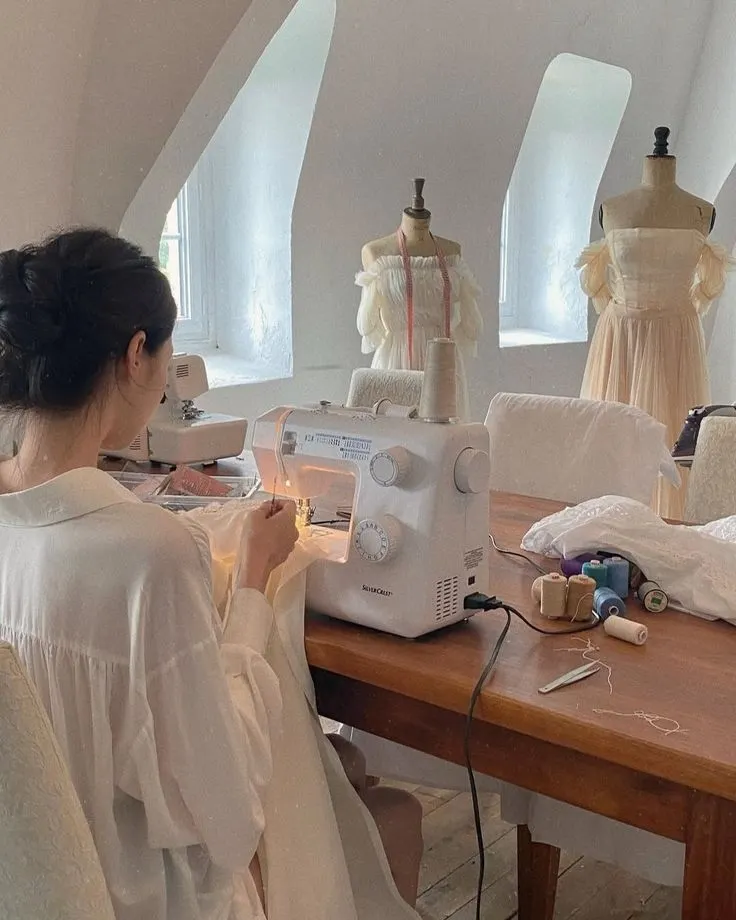
Fast fashion once defined accessibility and immediacy. New collections appeared constantly, offering endless choices at low prices. But this model has come under increasing scrutiny, giving rise to a movement that values quality over quantity. Slow fashion is not just a trend but a cultural shift. It challenges the idea that clothing should be disposable. Instead, it emphasizes longevity, craftsmanship, and ethical production. This movement is driven by growing awareness of environmental impact. The fashion industry is one of the largest contributors to waste and pollution. Consumers are beginning to question the true cost of inexpensive clothing. Transparency has become a key factor. People want to know where their clothes come from and how they are made. Brands that provide this information are gaining trust and loyalty. Slow fashion also encourages a different relationship with clothing. Instead of constantly seeking new items, it promotes thoughtful purchasing. Each piece is chosen with intention and valued over time. Repair and reuse are central to this philosophy. Mending garments or repurposing materials extends their lifespan and reduces waste. This approach challenges the culture of disposability. There is also an aesthetic dimension to slow fashion. Timeless designs and high quality materials create a sense of enduring style. These pieces often transcend trends, making them versatile and long lasting. Community plays an important role as well. Local artisans, small brands, and independent designers are at the forefront of this movement. Supporting them fosters a more sustainable and diverse fashion ecosystem. The rise of slow fashion reflects broader cultural values. It aligns with a desire for mindfulness, responsibility, and authenticity. It suggests that consumption can be both conscious and creative. Ultimately, slow fashion is about redefining value. It asks us to consider not just what we wear but why we wear it. It transforms clothing from a fleeting purchase into a meaningful investment.

The Rise of Slow Fashion as a Cultural Movement Read More »

The New Era of Celebrity Influence

The New Era of Celebrity Influence

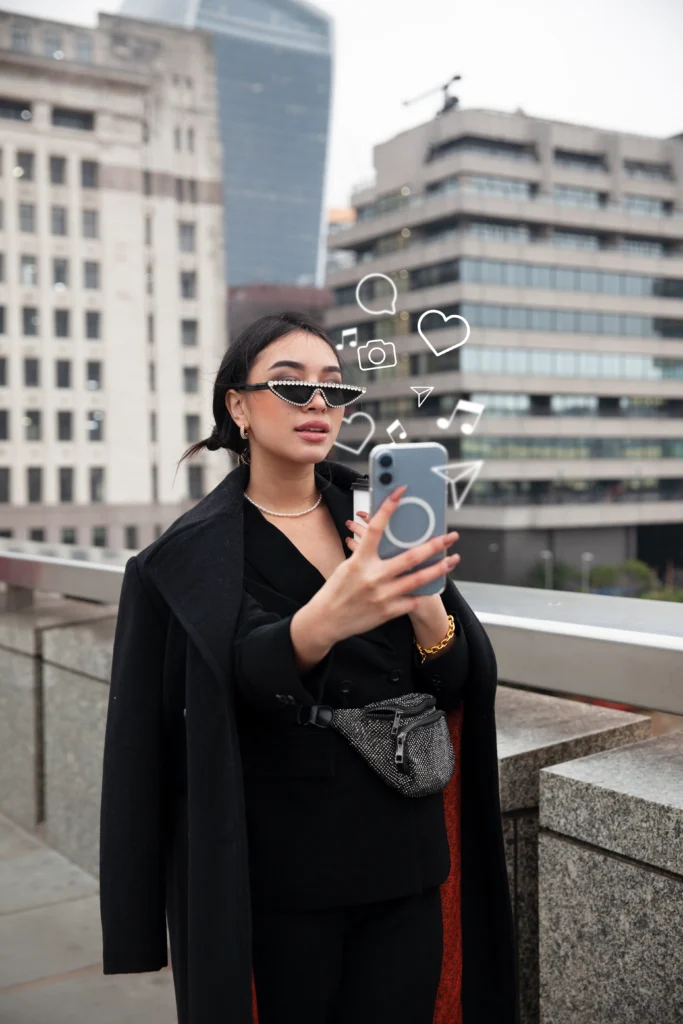
Celebrity influence has undergone a profound transformation. Once defined by exclusivity and distance, it is now characterized by accessibility and relatability. This shift has changed how audiences engage with public figures and how those figures shape cultural trends. In the past, celebrities were often seen as untouchable icons. Their lives were curated through carefully controlled media appearances. Today, social platforms have created a sense of immediacy. Fans can follow daily routines, personal thoughts, and behind the scenes moments. This accessibility has blurred the line between celebrity and audience. It creates a sense of connection that feels more personal. However, it also raises questions about authenticity. The more a celebrity shares, the more audiences scrutinize what is real and what is constructed. Influence is no longer limited to traditional fame. Digital creators, activists, and niche personalities can have significant impact. This diversification has expanded the definition of who can shape trends and conversations.Fashion and beauty remain central to celebrity influence, but the approach has changed. Instead of dictating trends, many celebrities now participate in them. They collaborate with designers, launch their own brands, and engage directly with their audiences. There is also a growing emphasis on values. Audiences expect celebrities to take positions on social and political issues. Silence can be interpreted as indifference, while engagement can strengthen connection. This dynamic adds complexity to the role of public figures. The concept of aspiration has evolved as well. Rather than striving to emulate an unattainable lifestyle, audiences are drawn to authenticity and relatability. Imperfections and vulnerabilities can enhance a celebrity’s appeal. At the same time, the pressure to maintain relevance has intensified. The constant demand for content can lead to overexposure. Balancing visibility with privacy has become a key challenge. Brand partnerships reflect these changes. Consumers are more discerning and can easily detect inauthentic endorsements. Successful collaborations feel aligned with the celebrity’s identity and values. Ultimately, the new era of celebrity influence is defined by connection rather than distance. It is more dynamic, more inclusive, and more complex. It reflects a cultural shift toward authenticity and engagement.

The New Era of Celebrity Influence Read More »

Why Individuality Is Becoming the Ultimate Luxury

Why Individuality Is Becoming the Ultimate Luxury

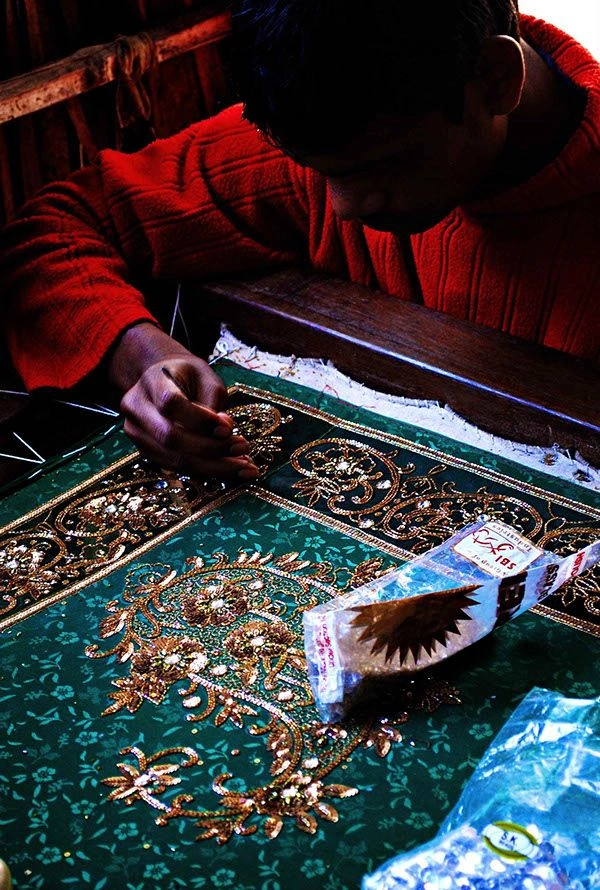
Luxury has traditionally been associated with exclusivity and price. However, the definition of luxury is changing. Increasingly, individuality is being seen as the ultimate form of value. This shift reflects a broader cultural movement toward self expression. In a world where trends are easily accessible, standing out becomes more meaningful than fitting in. Unique style carries more weight than recognizable labels. Customization plays a key role in this new definition of luxury. Personalized garments and bespoke designs offer a level of individuality that mass production cannot replicate. They create a deeper connection between the wearer and the piece. There is also a growing appreciation for craftsmanship. Handmade items and artisanal techniques are valued for their uniqueness and quality. They represent time, skill, and attention to detail. Sustainability intersects with this concept as well. Choosing pieces that are ethically produced and long lasting reflects a commitment to values beyond aesthetics. This adds another layer of meaning to luxury. The influence of digital culture has made individuality more visible. Social platforms allow people to showcase their unique style to a global audience. This visibility reinforces the value of distinctiveness. At the same time, there is a tension between individuality and commercialization. As unique styles gain popularity, they can quickly become trends. Maintaining authenticity requires constant evolution. Designers are responding by creating more diverse and inclusive collections. They recognize that luxury is no longer one size fits all. It is about offering options that allow individuals to express themselves. Ultimately, the rise of individuality as luxury reflects a shift in priorities. It suggests that true value lies not in what is owned but in how it is expresse.

Why Individuality Is Becoming the Ultimate Luxury Read More »

Kendall Jenner, From Fashion Runways to Global Cultural Influence

Kendall Jenner, From Fashion Runways to Global Cultural Influence

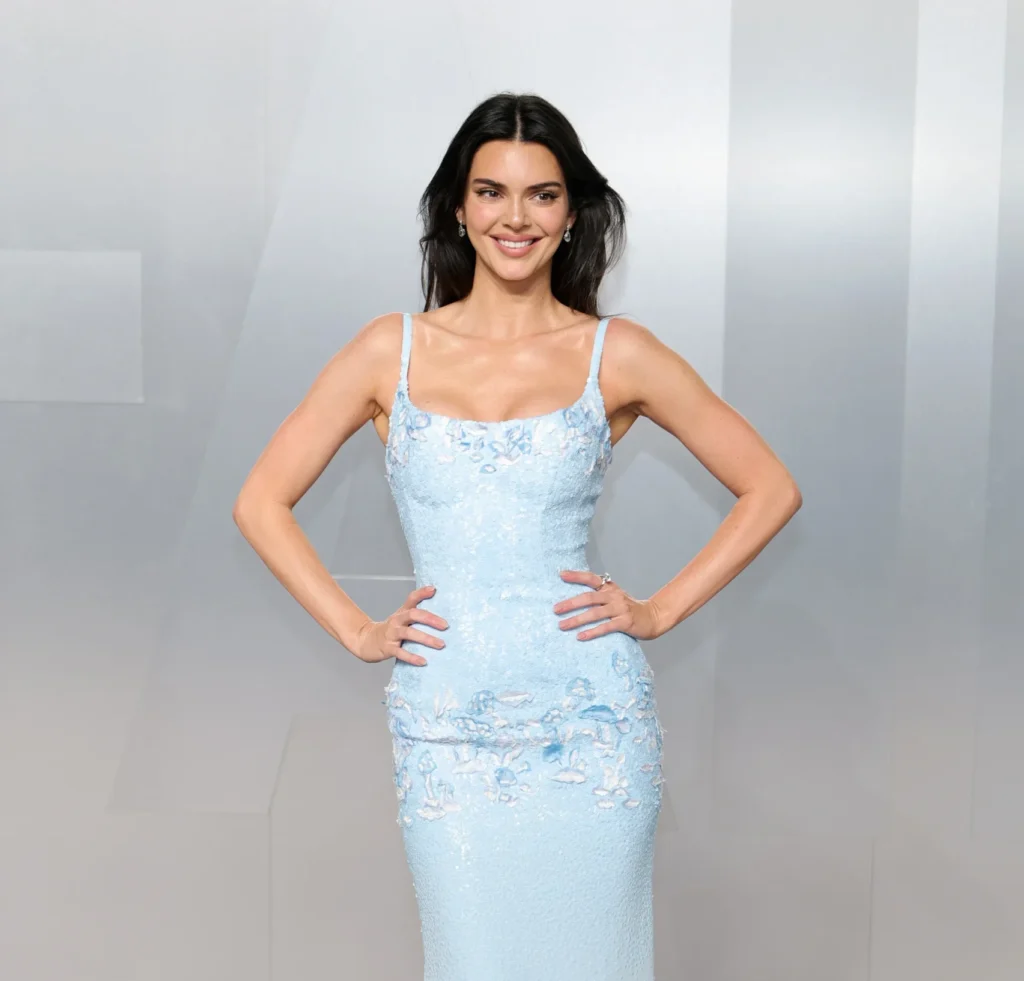
In the modern era of digital celebrity few figures have navigated fame with the strategic precision of Kendall Jenner. By 2026 Jenner stands among the most recognisable models in the world and a figure who has transformed the idea of modelling into something far broader than traditional runway success. Kendall Jenner first appeared in the public eye through reality television yet she gradually carved out a professional path that distinguished her from the environment in which she was raised. Determined to build credibility within the competitive fashion industry, she pursued modelling with focus and persistence. Through consistent runway appearances and major advertising campaigns Jenner gradually earned recognition as a serious fashion professional. Designers and photographers valued her ability to embody modern minimalism and adapt to different creative visions. By the middle of the twenty twenties Kendall Jenner had become one of the highest earning models in the world. Her presence in leading fashion magazines and global campaigns cemented her reputation within the industry. Social media has amplified her influence even further. With an enormous digital following she has become a powerful figure in fashion marketing, allowing brands to reach millions of consumers instantly. Jenner has also expanded her career into entrepreneurship. Her tequila brand quickly attracted international attention and demonstrated her ability to build successful ventures beyond modelling. Fashion however remains the centre of her professional identity. Her personal style often blends understated elegance with effortless simplicity, making her a frequent inspiration for contemporary street fashion. Despite growing up in the public spotlight, Jenner maintains a relatively private personal life compared with many celebrities of similar stature. She often emphasises the importance of balance and personal space. In the broader context of the fashion world Kendall Jenner symbolises the merging of traditional modelling with modern digital influence. Her career illustrates how models today must navigate branding, entrepreneurship and global media visibility. As 2026 continues to unfold Kendall Jenner remains a defining presence in the international fashion landscape and a powerful example of how modern celebrity can evolve into lasting professional success.

Kendall Jenner, From Fashion Runways to Global Cultural Influence Read More »

The Evolution of Runway Shows in a Post Digital World

The Evolution of Runway Shows in a Post Digital World

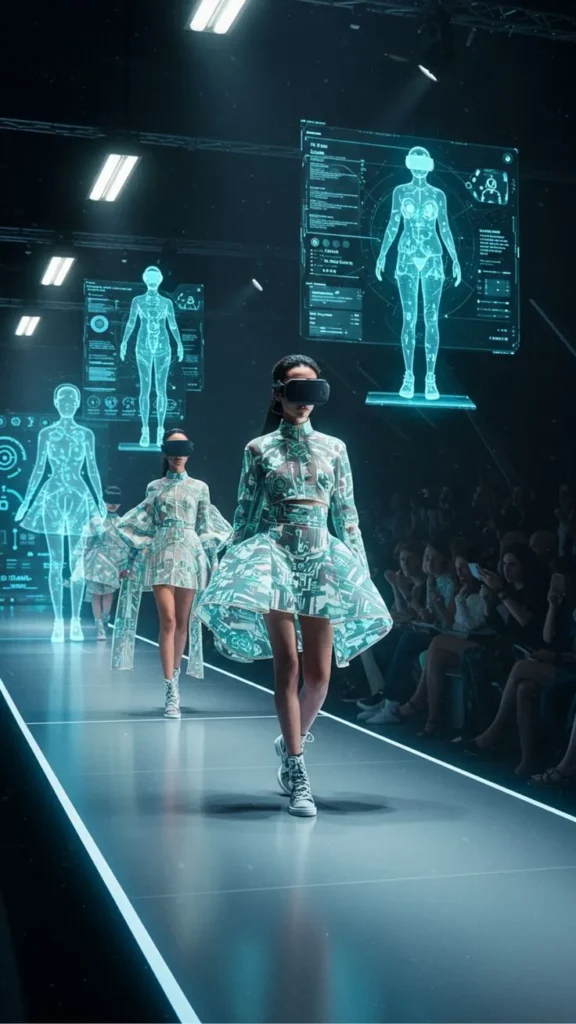
Runway shows were once exclusive events, accessible only to industry insiders. Today, they exist in a hybrid space where physical presence and digital experience intersect. This evolution has transformed how fashion is presented and consumed. The rise of live streaming has made runway shows accessible to a global audience. What was once limited to a select few can now be viewed by millions. This democratization has changed the relationship between designers and their audience. At the same time, the physical show remains important. It provides an immersive experience that cannot be fully replicated online. The atmosphere, the music, and the movement of garments create a sensory impact that is unique. Designers are increasingly experimenting with format. Traditional runway presentations are being complemented by performances, installations, and digital storytelling. These approaches expand the possibilities of how collections are communicated. Technology plays a central role in this transformation. Virtual reality, augmented reality, and digital garments are becoming part of the fashion landscape. These innovations challenge traditional notions of what a runway show can be. The pace of fashion has also influenced this evolution. With multiple collections released each year, designers are finding new ways to maintain engagement. Creative presentations help sustain interest and differentiate brands. Sustainability considerations are shaping runway shows as well. Smaller, more focused presentations reduce environmental impact while maintaining creative expression. Digital formats also offer more sustainable alternatives. Audience expectations have shifted accordingly. Viewers are no longer passive observers but active participants. Social media allows them to engage with shows in real time, sharing reactions and interpretations. The evolution of runway shows reflects broader changes in the fashion industry. It highlights the importance of innovation and adaptability. It shows that tradition and technology can coexist in dynamic ways. Ultimately, runway shows are no longer just about showcasing clothes. They are about creating experiences that resonate across both physical and digital spaces.

The Evolution of Runway Shows in a Post Digital World Read More »

From Acne to Acceptance: Why Gen Z Treats Skin Like a Lifestyle, Not a Problem

From Acne to Acceptance, Why Gen Z Treats Skin Like a Lifestyle, Not a Problem

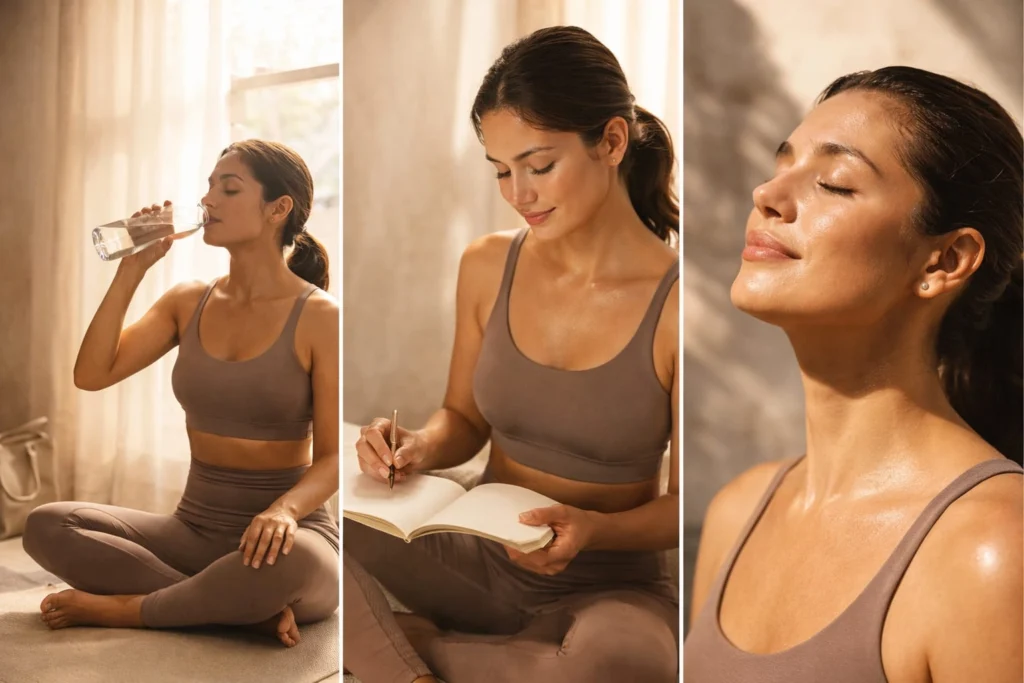
In the mirror-lit glow of a bustling college dorm, 22-year-old Mia pauses her morning routine. Instead of slathering on a thick layer of concealer to hide a fresh breakout, she snaps a selfie, blemishes and all, and posts it with the caption: “Skin’s having a moment, but so am I.” This isn’t rebellion; it’s revolution. For Generation Z, born between 1997 and 2012, skincare has evolved beyond the battle against imperfections. Acne, once a teenage nemesis warranting aggressive scrubs and spot treatments, is now part of a broader narrative of self-acceptance and holistic wellness. But why this shift? And what does it mean for the beauty industry? Let’s dive into the world where skin isn’t a problem to solve but a canvas for living. The Evolution of Skincare: From Fix-It to Feel-Good Remember the ’90s and early 2000s? Skincare ads screamed promises of “flawless” complexions, pushing products that stripped away oils and zapped zits with harsh chemicals like benzoyl peroxide at maximum strength. For millennials and older generations, skin issues were enemies to eradicate, often at the cost of irritated barriers and endless cycles of rebound breakouts. Enter Gen Z, a cohort raised on Instagram filters, TikTok tutorials, and a global pandemic that forced introspection. They’ve flipped the script. Today, in 2026, Gen Z views skin as an extension of their identity, much like their playlists or wardrobes. A survey from beauty trend forecasters indicates that over 70% of young adults under 25 prioritize “skin health” over “perfection,” opting for routines that nurture rather than punish. This mindset stems from a cultural pivot toward authenticity. “Acne isn’t a flaw; it’s feedback,” says dermatologist Dr. Elena Vasquez, a voice in the rising skin positivity movement. “Gen Z understands that stress, hormones, and even gut health play roles in treating it as a lifestyle means addressing the root, not just the surface.” What makes this approach so magnetic? It’s empowering. Imagine waking up to a pimple and, instead of panic, reaching for a gentle cleanser infused with calming botanicals. This acceptance doesn’t mean ignoring issues; it means integrating care into daily life, turning routines into rituals that boost mood and confidence. Social Media’s Role: Filters Out, Realness In Scroll through TikTok, and you’ll find #SkinPositivity videos amassing billions of views, creators baring textured skin, rosacea flares, and post-acne marks without apology. Gen Z, digital natives, have harnessed platforms to democratize beauty. Influencers like 20-year-old skincare enthusiast Jordan Lee share unfiltered journeys: “I used to hide my acne with heavy makeup, but now I celebrate my progress. It’s about progress, not perfection.” This transparency combats the isolation many felt in previous eras. Mental health awareness, amplified by apps and online communities, links skin struggles to emotional well-being. Studies show that 60% of Gen Z reports anxiety tied to appearance, yet they’re twice as likely as millennials to seek therapy alongside skincare. Brands have noticed: Lines like “Barrier Boost” serums emphasize repair over eradication, using ingredients like ceramides and hyaluronic acid to fortify the skin’s natural defenses. Moreover, inclusivity reigns. Gen Z demands representation—products for all tones, textures, and concerns. Gone are the days of one-size-fits-all; personalized quizzes on apps guide users to tailored regimens, blending tech with self-care. Picture an AI-powered mirror analyzing your skin’s needs based on sleep data from your wearable device. It’s not sci-fi; it’s 2026 reality, making skincare feel like a personalized adventure rather than a chore. Holistic Habits: Skin as a Reflection of Life What truly sets Gen Z apart is their holistic lens. Skincare isn’t isolated—it’s intertwined with lifestyle choices. “Skin is my barometer for wellness,” explains 24-year-old wellness blogger Alex Rivera. “If I’m breaking out, I check my diet, hydration, or even my workout routine.” This generation favors “skinimalism” streamlined routines with multifunctional products that do more with less. A single serum might hydrate, brighten, and protect, freeing time for what matters: friends, hobbies, or activism. Key trends underscore this: Regenerative ingredients like PDRN (derived from natural sources) promote long-term resilience, while peptides and ectoin shield against environmental stressors. Sustainability matters too. Gen Z boycotts wasteful packaging, opting for refillable jars and clean, plant-based formulas. “We’re not just consumers; we’re conscious,” says Rivera. Ethical sourcing, from fair-trade botanicals to cruelty-free testing, aligns with their values, turning purchases into statements. Nutrition plays a starring role. Probiotic-rich foods and supplements support the gut-skin axis, reducing inflammation that fuels acne. Sleep trackers remind users that quality rest equals radiant skin, while stress-busting practices like meditation apps integrate seamlessly. Even fitness ties in: Yoga sessions for circulation, or hikes for vitamin D absorption. It’s a full-circle approach, skin thrives when life does. But let’s get real: This isn’t always easy. Economic pressures mean affordable options are crucial. Drugstore dupes for high-end actives make acceptance accessible, proving luxury isn’t a prerequisite for loving your skin. The Industry’s Awakening: Brands on Board Beauty giants are racing to catch up. In 2026, launches emphasize “acceptance-first” messaging campaigns featuring diverse models with visible pores or scars. Indie brands like Glow Collective thrive by co-creating with Gen Z via social polls, ensuring products resonate. “We’re seeing a boom in barrier-repair lines,” notes beauty analyst Sarah Kline. “Gen Z’s influence has shifted R&D toward gentle, science-backed innovations that prevent issues proactively.” Take the rise of “mood-boosting” skincare: Scents like lavender for calm or citrus for energy elevate routines to sensory experiences. Tools like LED masks, once niche, are now staples, offering at-home glow-ups without invasive procedures. And with menopause-targeted care gaining traction, the conversation expands beyond youth, fostering intergenerational dialogue. Yet, challenges linger. Overconsumption tempts via viral trends, but Gen Z counters with education debunking myths like “more actives equal better results.” Their mantra? Balance. By treating skin as a lifestyle, they avoid burnout, both literal and figurative. Embracing the Journey: What’s Next? As we look ahead, Gen Z’s philosophy promises a kinder beauty landscape. Acne to acceptance isn’t just a tagline; it’s a movement redefining self-worth. Imagine a world where your skin’s story is

From Acne to Acceptance, Why Gen Z Treats Skin Like a Lifestyle, Not a Problem Read More »