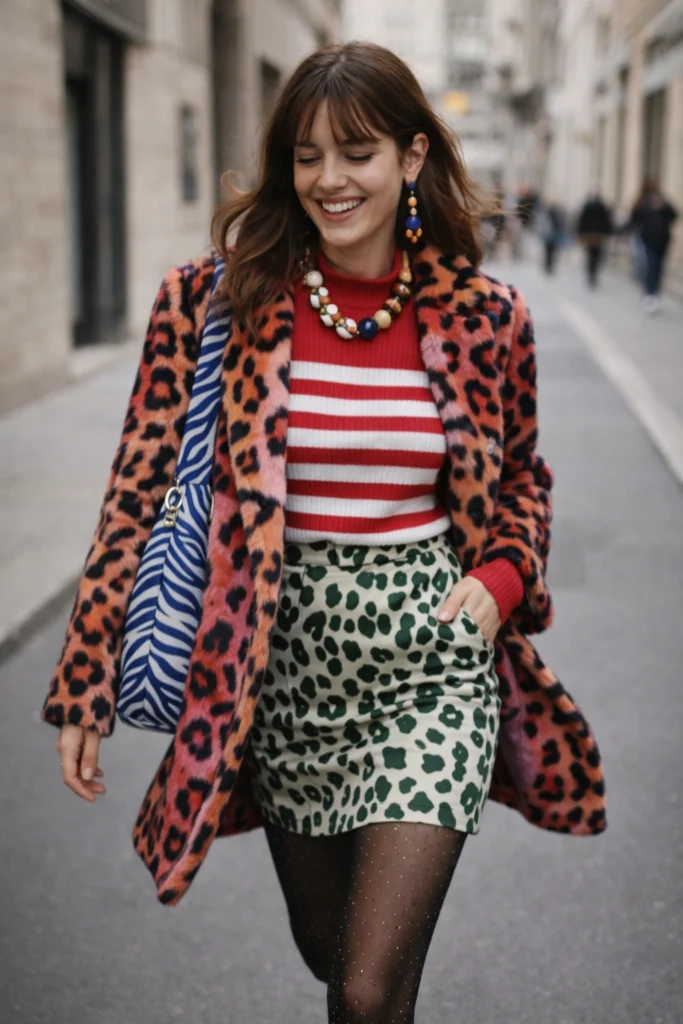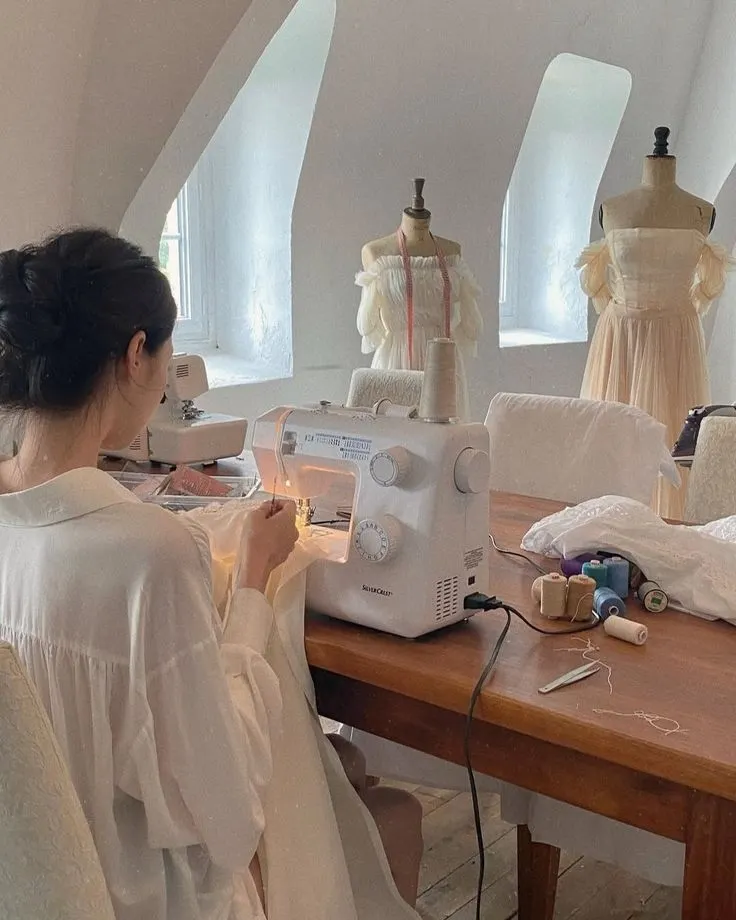
Fast fashion once defined accessibility and immediacy. New collections appeared constantly, offering endless choices at low prices. But this model has come under increasing scrutiny, giving rise to a movement that values quality over quantity.
Slow fashion is not just a trend but a cultural shift. It challenges the idea that clothing should be disposable. Instead, it emphasizes longevity, craftsmanship, and ethical production.
This movement is driven by growing awareness of environmental impact. The fashion industry is one of the largest contributors to waste and pollution. Consumers are beginning to question the true cost of inexpensive clothing.
Transparency has become a key factor. People want to know where their clothes come from and how they are made. Brands that provide this information are gaining trust and loyalty.
Slow fashion also encourages a different relationship with clothing. Instead of constantly seeking new items, it promotes thoughtful purchasing. Each piece is chosen with intention and valued over time.
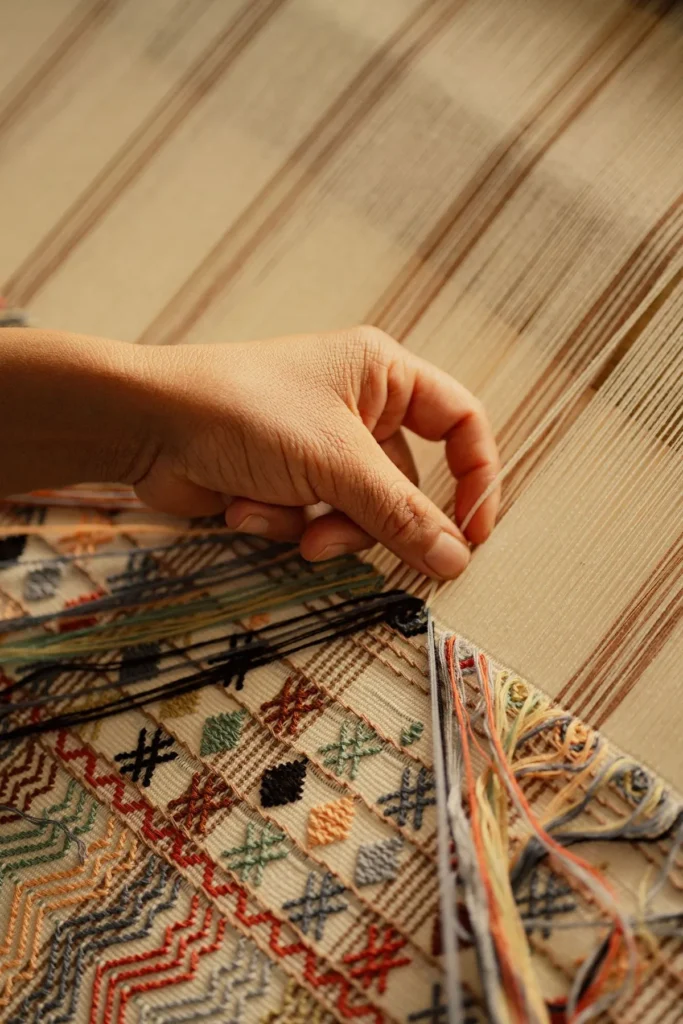
Repair and reuse are central to this philosophy. Mending garments or repurposing materials extends their lifespan and reduces waste. This approach challenges the culture of disposability.
There is also an aesthetic dimension to slow fashion. Timeless designs and high quality materials create a sense of enduring style. These pieces often transcend trends, making them versatile and long lasting.
Community plays an important role as well. Local artisans, small brands, and independent designers are at the forefront of this movement. Supporting them fosters a more sustainable and diverse fashion ecosystem.
The rise of slow fashion reflects broader cultural values. It aligns with a desire for mindfulness, responsibility, and authenticity. It suggests that consumption can be both conscious and creative.
Ultimately, slow fashion is about redefining value. It asks us to consider not just what we wear but why we wear it. It transforms clothing from a fleeting purchase into a meaningful investment.