Perfection once defined beauty. Smooth skin, symmetrical features, and carefully curated routines dominated both advertising and everyday aspiration. Yet increasingly, that polished ideal is losing its appeal. A new beauty philosophy is emerging, one that embraces imperfection as its defining characteristic.
This shift is rooted in a growing awareness of how unrealistic standards have shaped self perception. Years of filtered images and edited campaigns created a narrow definition of beauty that few could achieve. The result was not inspiration but fatigue. People began to question why beauty felt so unattainable.
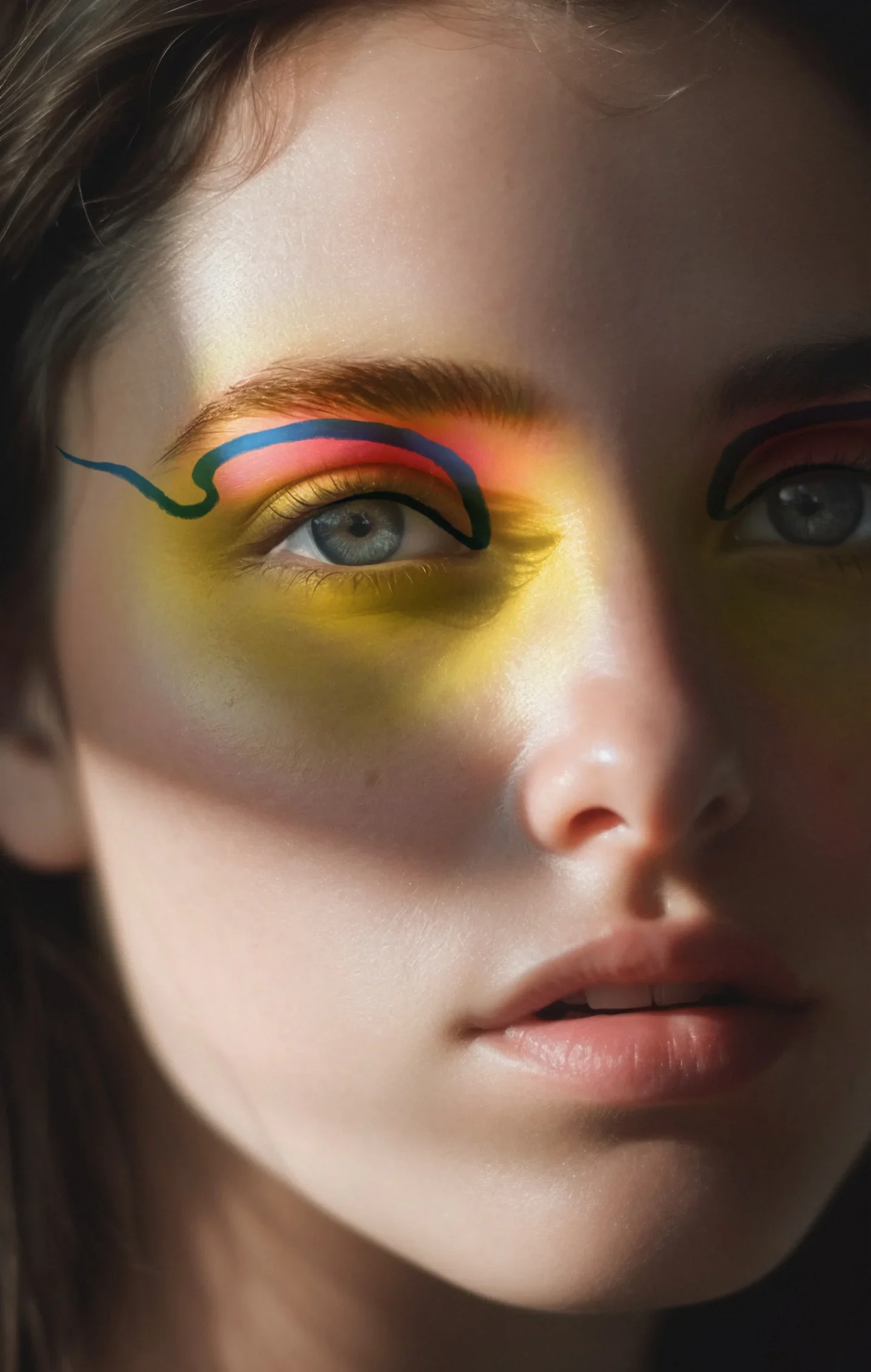
The answer lies in authenticity. Modern beauty trends are moving toward what feels real rather than what looks flawless. Smudged eyeliner, visible texture, and unconventional color choices are gaining popularity because they reflect lived experience. They acknowledge that beauty does not exist in a vacuum.
There is also a cultural element at play. As conversations around identity and representation expand, beauty is no longer seen as a singular ideal but as a spectrum. Different skin tones, facial features, and personal styles are being celebrated in ways that were previously overlooked. Imperfection becomes a form of individuality.
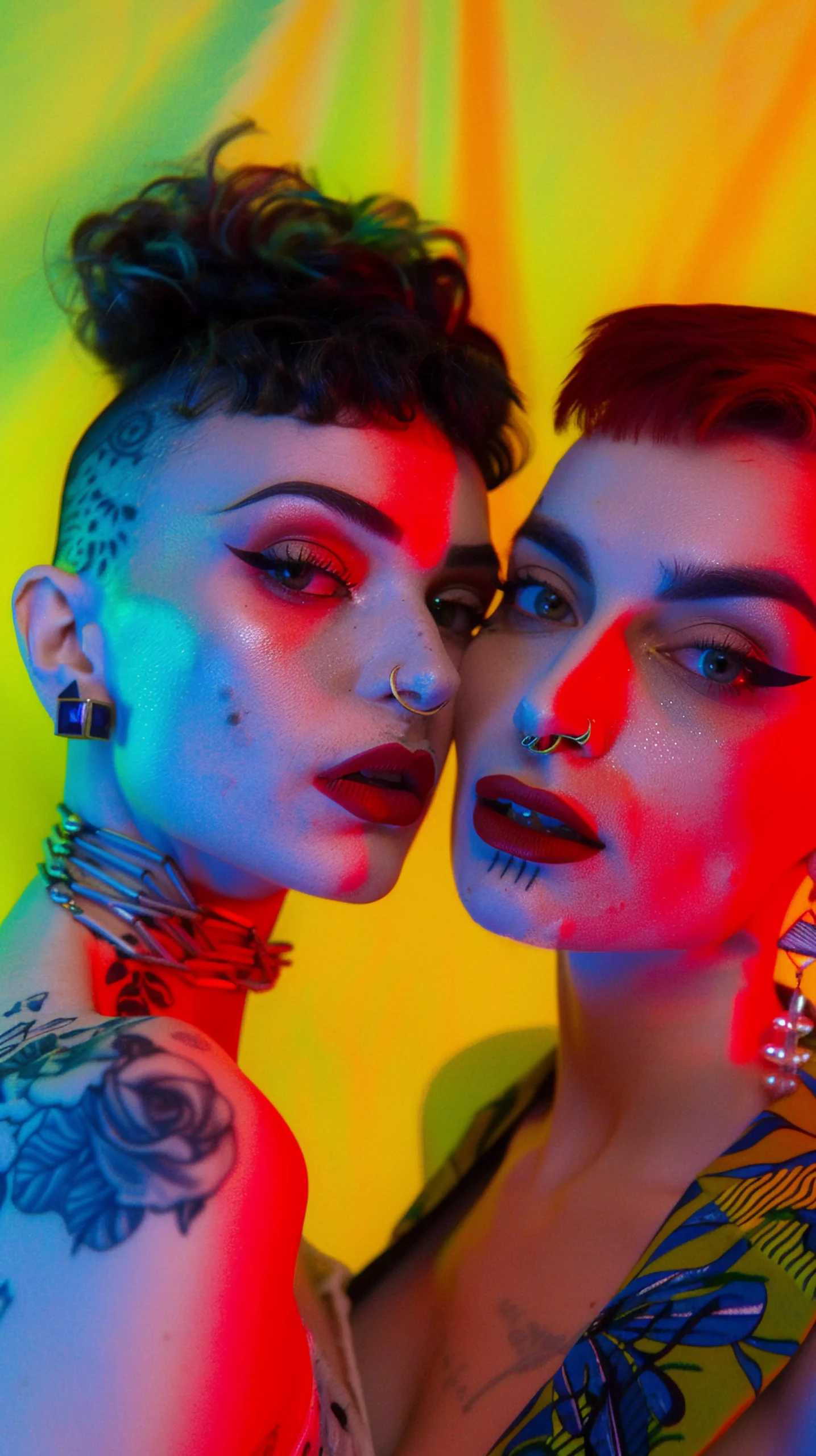
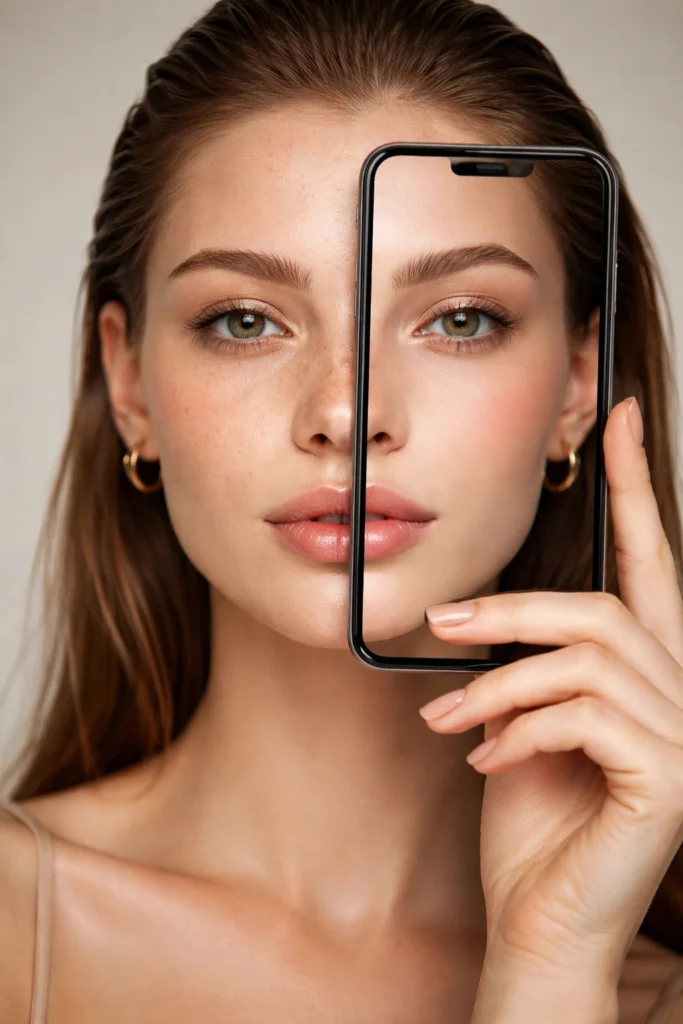
Technology has played a paradoxical role in this transformation. While filters once dominated social platforms, there is now a growing movement to reject them. Users are increasingly drawn to content that feels unedited and spontaneous. This has influenced brands to rethink how they present products, favoring transparency over illusion.
The concept of effortlessness has also evolved. Previously, it implied achieving perfection without visible work. Now, it suggests embracing what is natural without excessive correction. This subtle but significant change reflects a broader cultural desire for honesty.
Makeup itself has become more experimental. Instead of concealing flaws, it is being used as a tool for expression. Bold colors, graphic lines, and unconventional textures are replacing traditional techniques aimed at correction. The face becomes a canvas rather than something to fix.
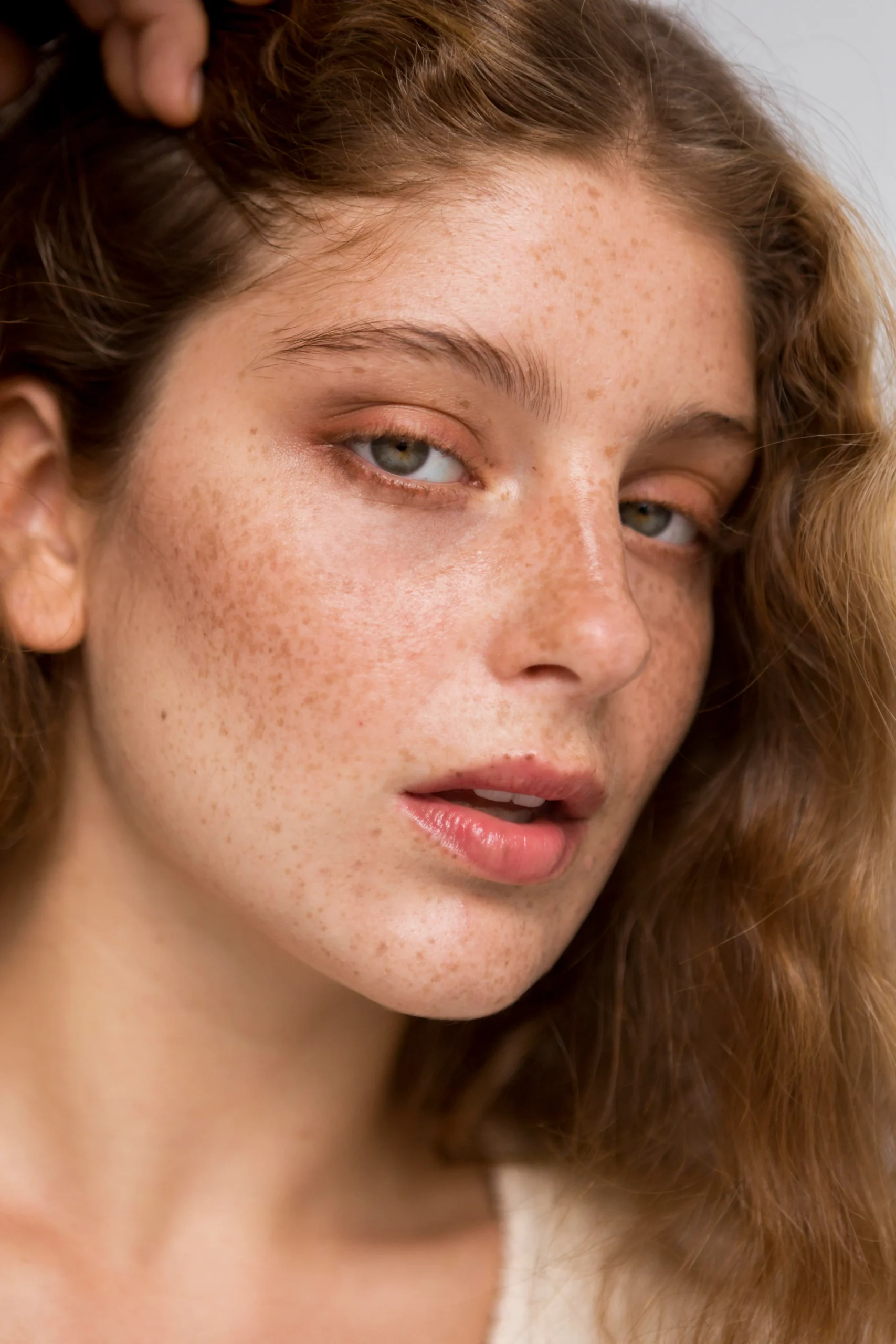
Skincare trends mirror this philosophy. The focus has shifted from aggressive treatments to maintaining balance. Healthy skin is no longer defined by flawlessness but by resilience. This approach recognizes that skin changes over time and that those changes are not inherently negative.
The influence of younger generations cannot be ignored. They approach beauty with a sense of playfulness and fluidity. Rules are seen as suggestions rather than requirements. This openness has encouraged a more inclusive and dynamic understanding of what beauty can be.
Ultimately, the move away from perfection reflects a deeper cultural transformation. It is about reclaiming ownership over one’s appearance and rejecting standards that feel imposed. Beauty becomes less about achieving an ideal and more about expressing identity.
In this new landscape, imperfection is not something to hide but something to embrace. It adds character, depth, and authenticity. It reminds us that beauty is not a fixed standard but a constantly evolving conversation.