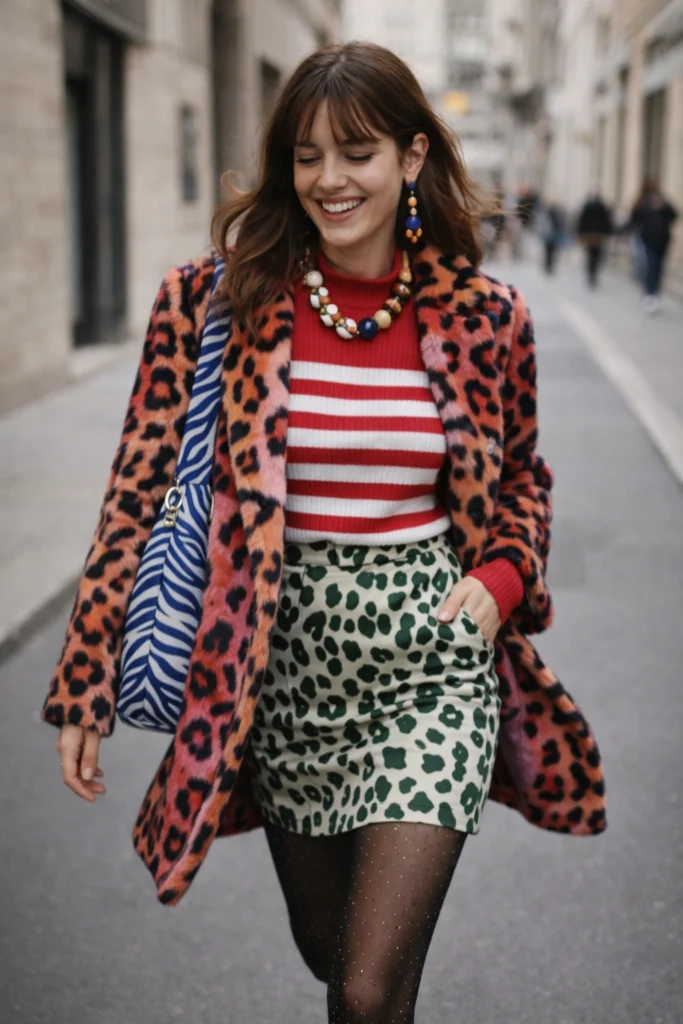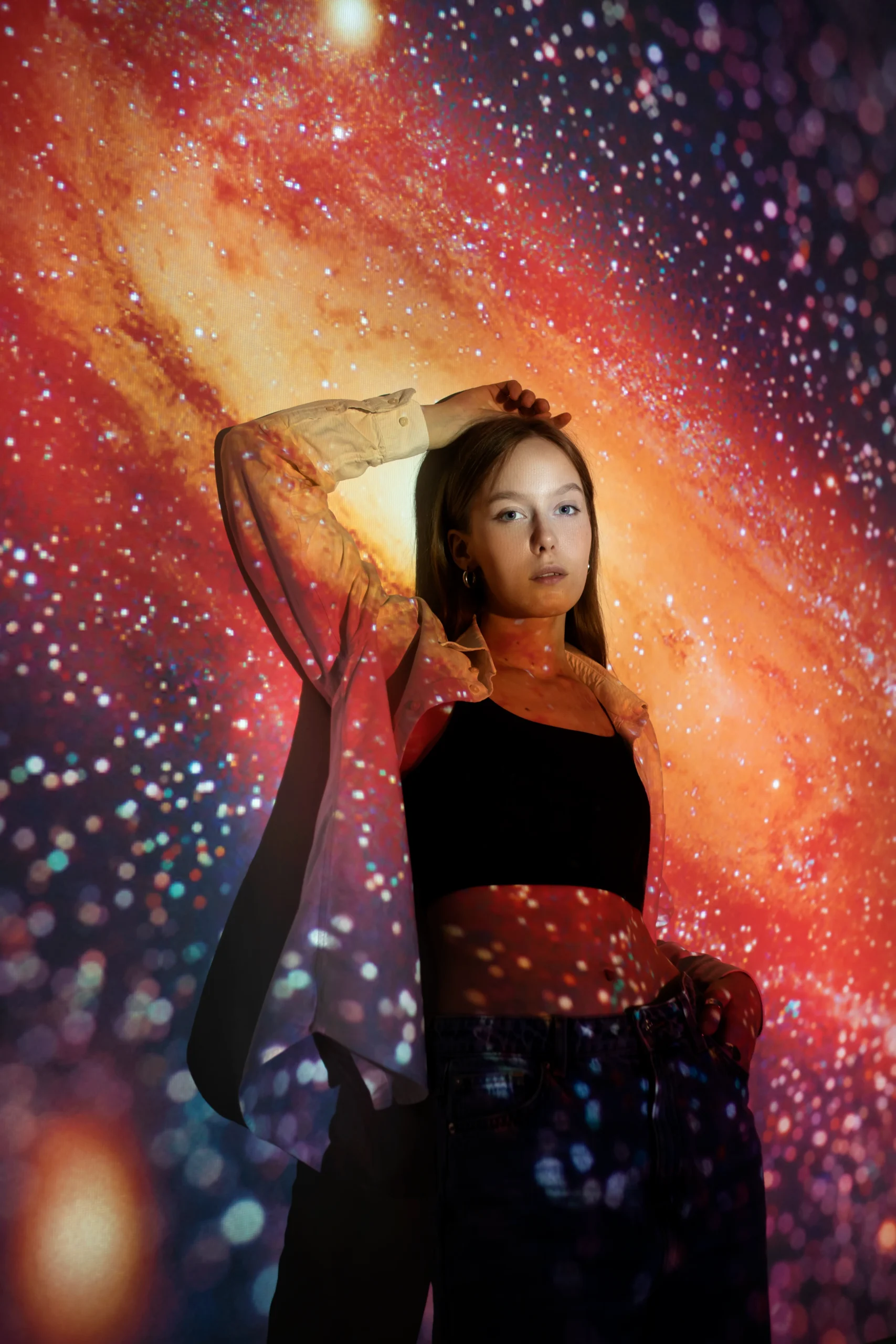
A profound recalibration is underway in the entertainment industry, and it centres not on a new genre or streaming platform, but on a new kind of presence. Artificial intelligence has shifted from being a background tool for editing and visual effects to a core creative partner. In its wake comes the first major wave of what insiders are calling Synthetic Celebrities, AI generated entities with chart climbing singles, lucrative brand endorsements and carefully curated social lives. Fame, once inseparable from flesh and fallibility, is being reimagined as something that can be coded, optimised and endlessly sustained.
The idea of a virtual star is not entirely new. Digital avatars and holographic performers have flirted with mainstream attention for years. What distinguishes this moment is scale and sophistication. Today’s Synthetic Celebrities are not novelty acts or animated mascots. They are complex digital personas powered by machine learning systems capable of generating original music, responding to fans in real time and adapting their aesthetic based on data analytics. Their voices can be modelled on specific tonal qualities, their lyrics shaped by algorithmic analysis of streaming trends, and their visual identities refined through audience engagement metrics.
Record labels and tech companies are investing heavily in these creations. An AI artist does not age, cancel tour dates due to illness or become embroiled in scandal unless strategically scripted. Its output can be continuous, tailored to regional markets and adjusted within hours in response to listener feedback. Songs are composed through neural networks trained on vast libraries of musical styles, allowing producers to generate melodies and harmonies that feel familiar yet distinct. Human composers and engineers often remain involved, curating and refining the results, but the creative engine is undeniably algorithmic.

Brand partnerships have followed swiftly. Synthetic Celebrities offer a level of control and predictability that traditional talent rarely can. A digital ambassador can appear simultaneously in multiple campaigns, speak dozens of languages and align perfectly with brand values without deviation. Fashion houses and beauty conglomerates are experimenting with virtual muses who model collections in immersive digital environments. These collaborations blur the line between advertising and entertainment, embedding AI personalities within lifestyle narratives that unfold across platforms.
Social media is where the illusion becomes most compelling. Synthetic Celebrities maintain accounts that mirror the rhythms of human influencers. They post behind the scenes glimpses of studio sessions, share stylised snapshots of their digital wardrobes and engage in playful exchanges with fans. Natural language processing enables them to respond convincingly to comments, cultivating a sense of intimacy. For followers, the knowledge that the persona is artificial does not necessarily diminish emotional investment. If anything, the transparency can heighten fascination. The audience is invited to participate in the construction of identity, aware that what they are witnessing is a collaborative performance between code and culture.
The rise of these entities raises complex questions about authenticity and labour. Human artists invest years in honing their craft, navigating rejection and negotiating contracts. Synthetic Celebrities are assembled through interdisciplinary teams of engineers, designers and marketers. Who, then, is the true author of their success. Is it the algorithm, the dataset on which it was trained, or the creative directors who shape its output. Legal frameworks are still catching up, particularly around intellectual property and royalties. If an AI generates a hit song influenced by thousands of existing tracks, how should credit be distributed.

Parallel to this evolution in music and branding is a transformation in cinematic storytelling. Film studios are experimenting with what is being termed modular storytelling, a format that integrates virtual reality and augmented reality to grant viewers agency over narrative outcomes. Rather than passively consuming a fixed plot, audiences can make choices that alter character arcs and endings. Wearing a VR headset or using AR interfaces layered over traditional screens, viewers step into branching storylines where their decisions shape the experience.
This approach draws inspiration from interactive gaming, yet it is being adapted for mainstream film audiences. Directors design multiple narrative pathways, each carefully scripted and filmed. AI systems then track user choices and seamlessly assemble scenes in real time. The result is a film that can be watched more than once with entirely different conclusions. A romantic drama might end in reconciliation or separation depending on viewer intervention. A thriller could reveal alternative culprits based on selected clues.
For creators, modular storytelling presents both opportunity and challenge. It expands the canvas of narrative possibility but complicates authorship. Traditional cinema has long been defined by the director’s singular vision. In an interactive model, that vision must accommodate variability. Writers craft flexible scripts that maintain coherence across divergent paths. Editors design transitions that feel organic regardless of sequence. The technology must be robust enough to prevent glitches that would shatter immersion.
From a commercial perspective, the appeal is clear. Interactive films encourage repeat engagement and foster deeper emotional investment. Viewers become participants rather than spectators, strengthening their connection to characters. Studios can also gather anonymised data on popular narrative choices, informing future projects. Yet this data driven feedback loop introduces concerns about creative homogenisation. If storylines are continually adjusted to reflect majority preference, will risk taking diminish.
The psychological impact of Synthetic Celebrities and modular films is equally intriguing. Human beings are adept at forming attachments to fictional characters. When those characters begin to exist in persistent digital spaces, releasing music and responding to comments, the boundary between fiction and reality becomes porous. The knowledge that an AI persona is not sentient does not entirely negate the emotional resonance of its art. In some cases, the artificiality may even offer comfort, insulating fans from the unpredictability of human behaviour.

Critics caution against uncritical enthusiasm. There are fears about job displacement for performers and writers, as well as ethical concerns about deepfakes and the potential replication of real individuals without consent. Industry unions are negotiating safeguards to ensure that AI serves as collaborator rather than replacement. Transparency around the use of synthetic voices and likenesses is becoming a priority, particularly in film where the recreation of deceased actors is technically feasible.
Despite these tensions, the trajectory appears irreversible. Artificial intelligence has embedded itself within the creative infrastructure of entertainment. Synthetic Celebrities and modular storytelling are not isolated experiments but signals of a broader shift towards hybrid authorship. The industry is learning to balance code with creativity, automation with artistry.
What emerges is a new understanding of stardom and story. Fame can now be engineered, and narratives can flex according to audience desire. Whether this leads to richer artistic landscapes or increasingly calculated content will depend on how thoughtfully the technology is wielded. For now, one thing is certain. The stage is no longer reserved for those born into bodies. In the glow of screens and headsets, a new kind of performer is taking a bow, crafted from data yet commanding very real attention.