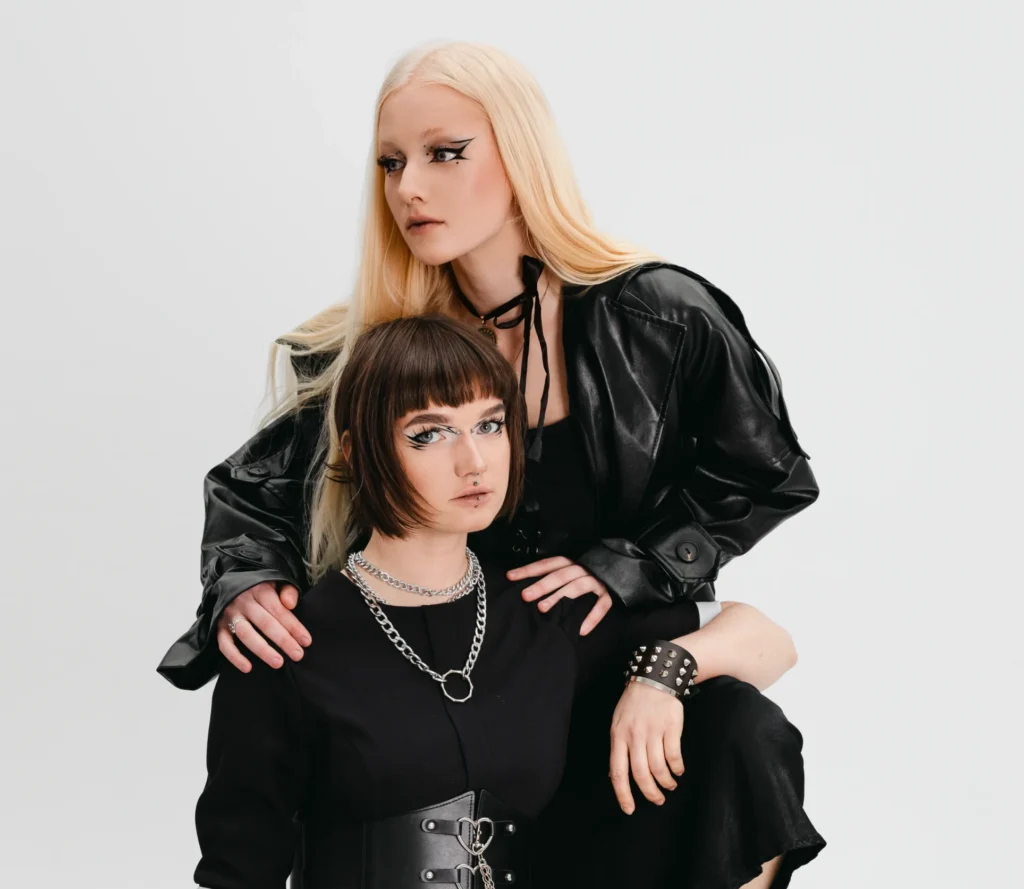
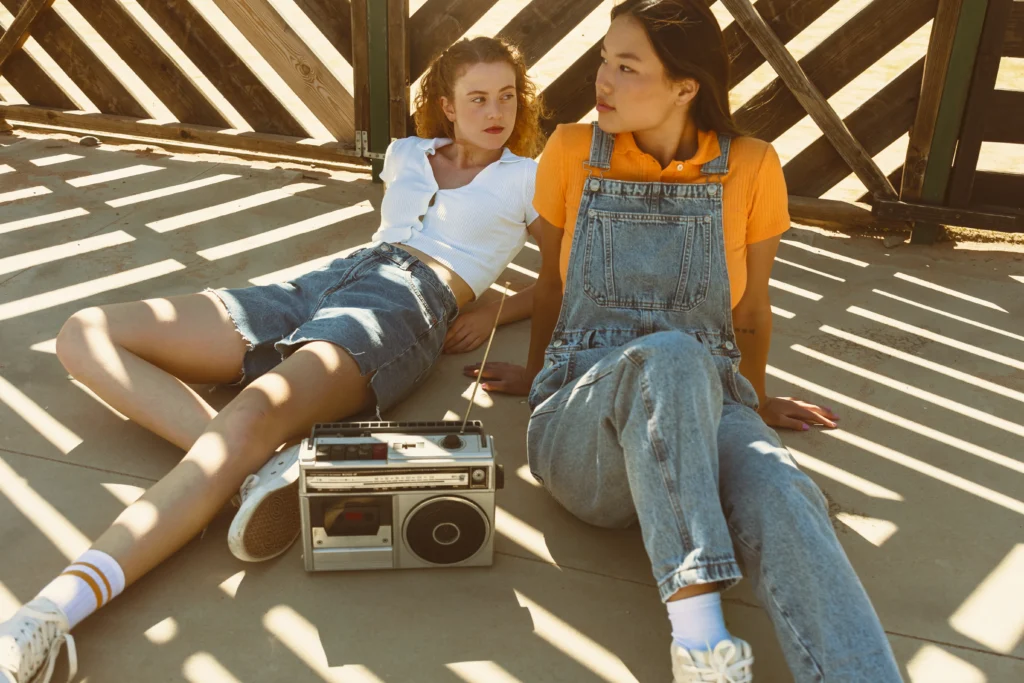
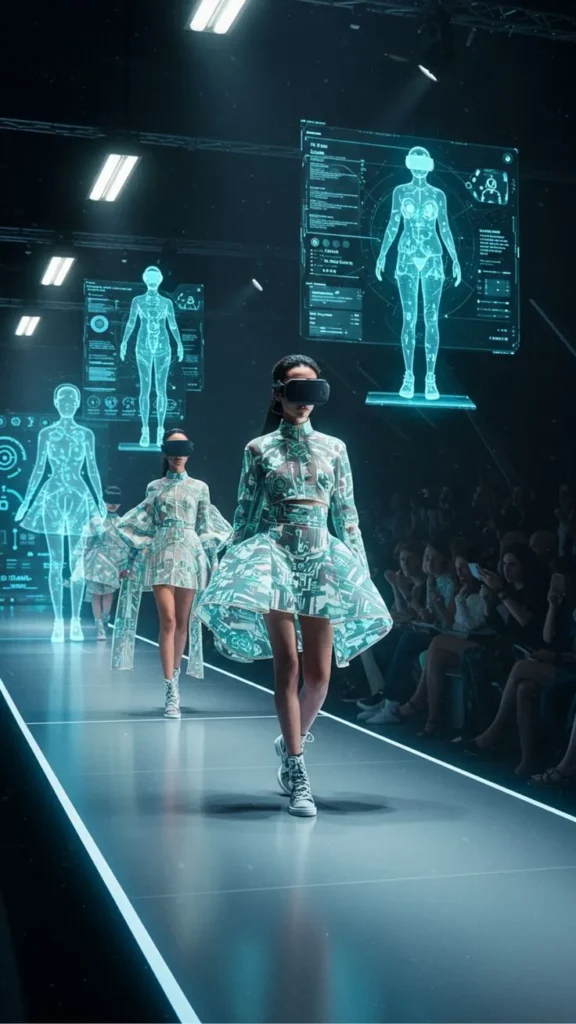
For years, minimalism held fashion in a quiet chokehold. Clean lines, neutral tones, and understated silhouettes became synonymous with sophistication. But something has shifted, and the new era is loud, layered, and unapologetically expressive. Maximalism is not simply returning, it is reclaiming space in a culture that once prized restraint above all else.
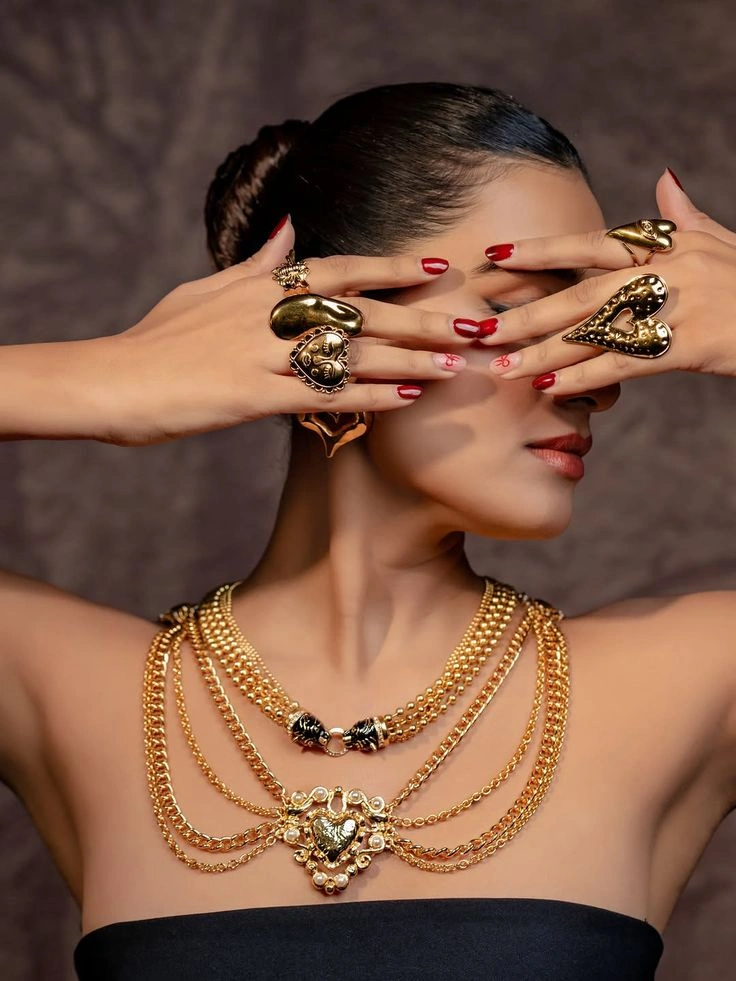
This resurgence reflects more than aesthetic fatigue. It signals a broader emotional rebellion against a world that has felt increasingly controlled and filtered. In the wake of digital perfection and algorithm driven taste, people are seeking individuality in its most visible form. Clothes are once again becoming statements rather than solutions.
Maximalism today is not about excess for the sake of spectacle. It is deeply personal. One person’s maximalism might mean clashing prints and exaggerated silhouettes, while another might express it through bold jewelry layered over otherwise simple outfits. The common thread is intention. Every element feels chosen rather than prescribed.
The rise of vintage culture has also fueled this movement. As shoppers move away from fast fashion cycles, they are rediscovering the thrill of unique pieces. A sequined jacket from the early 2000s or a sculptural handbag from a forgotten designer carries more emotional weight than something mass produced. These pieces tell stories, and maximalism thrives on narrative.
Social media has paradoxically both suppressed and accelerated this trend. While platforms often reward uniform aesthetics, they also amplify those who dare to stand apart. A maximalist outfit, when done well, is instantly shareable because it disrupts expectation. It invites attention rather than blending into the endless scroll. There is also a psychological dimension to consider. Dressing boldly can be a form of self assertion. In uncertain times, clothing becomes armor. Bright colors, exaggerated shapes, and layered textures create a sense of control and visibility.
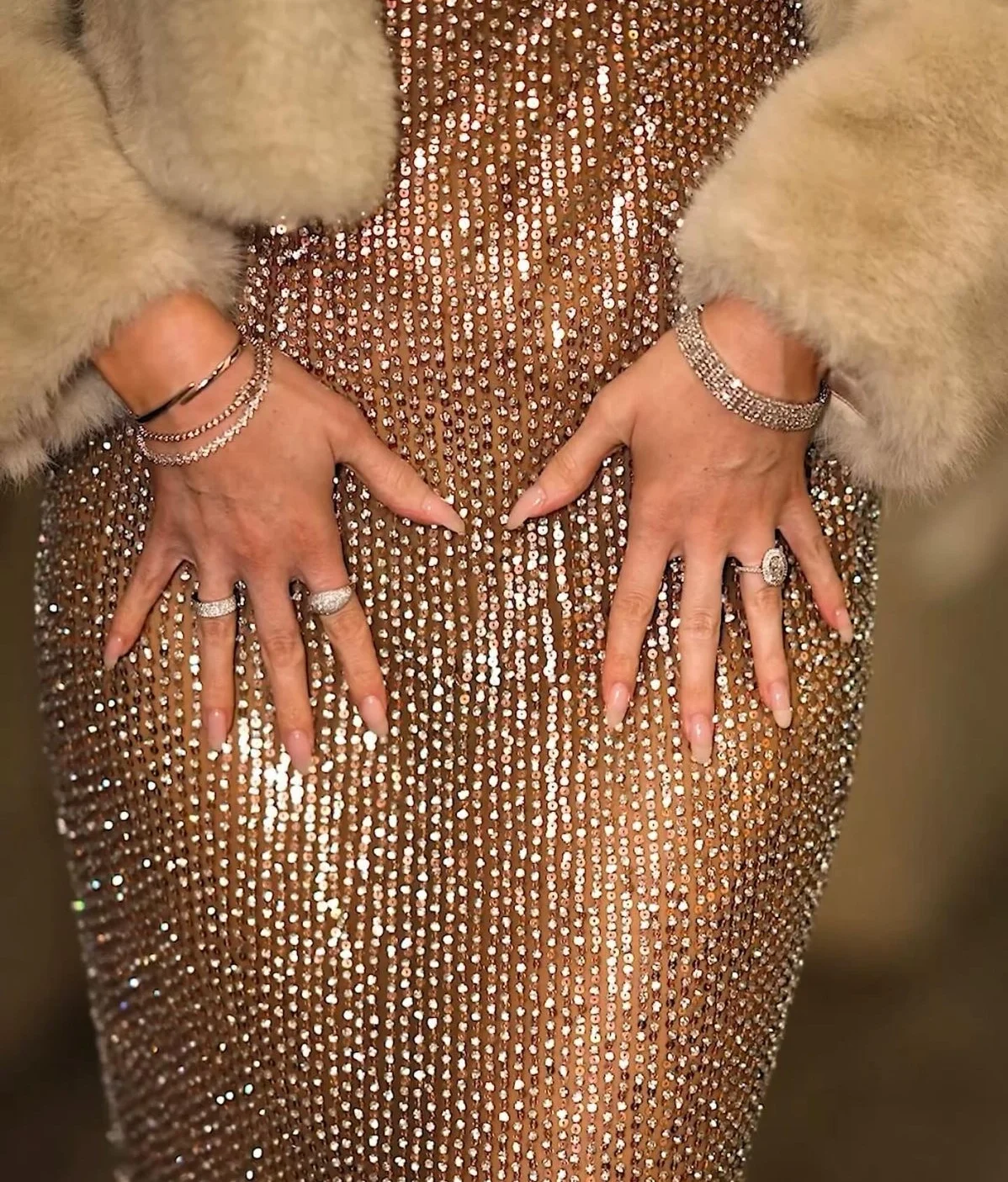
They allow individuals to reclaim presence in environments that might otherwise feel overwhelming.
Designers have responded accordingly, reintroducing theatrical elements into collections. Volume, embellishment, and unexpected combinations are no longer niche but central. The runway has become a space where storytelling takes precedence over practicality, reminding audiences that fashion is as much about imagination as it is about wearability.
What makes this iteration of maximalism particularly compelling is its inclusivity. There is no single blueprint to follow. It encourages experimentation across age, body type, and personal style. It is less about following trends and more about curating a visual identity that feels authentic.
In many ways, maximalism is a reaction to years of being told to edit oneself. It rejects the idea that less is always more. Instead, it suggests that more can be meaningful, expressive, and even necessary. It invites people to embrace complexity rather than shy away from it.
Ultimately, the return of maximalism is not just a fashion moment. It is a cultural shift toward embracing individuality in its most visible form. It reminds us that style is not about fitting in but about standing out in a way that feels undeniably true.