Runway shows were once exclusive events, accessible only to industry insiders. Today, they exist in a hybrid space where physical presence and digital experience intersect. This evolution has transformed how fashion is presented and consumed.
The rise of live streaming has made runway shows accessible to a global audience. What was once limited to a select few can now be viewed by millions. This democratization has changed the relationship between designers and their audience.
At the same time, the physical show remains important. It provides an immersive experience that cannot be fully replicated online. The atmosphere, the music, and the movement of garments create a sensory impact that is unique.
Designers are increasingly experimenting with format. Traditional runway presentations are being complemented by performances, installations, and digital storytelling. These approaches expand the possibilities of how collections are communicated.
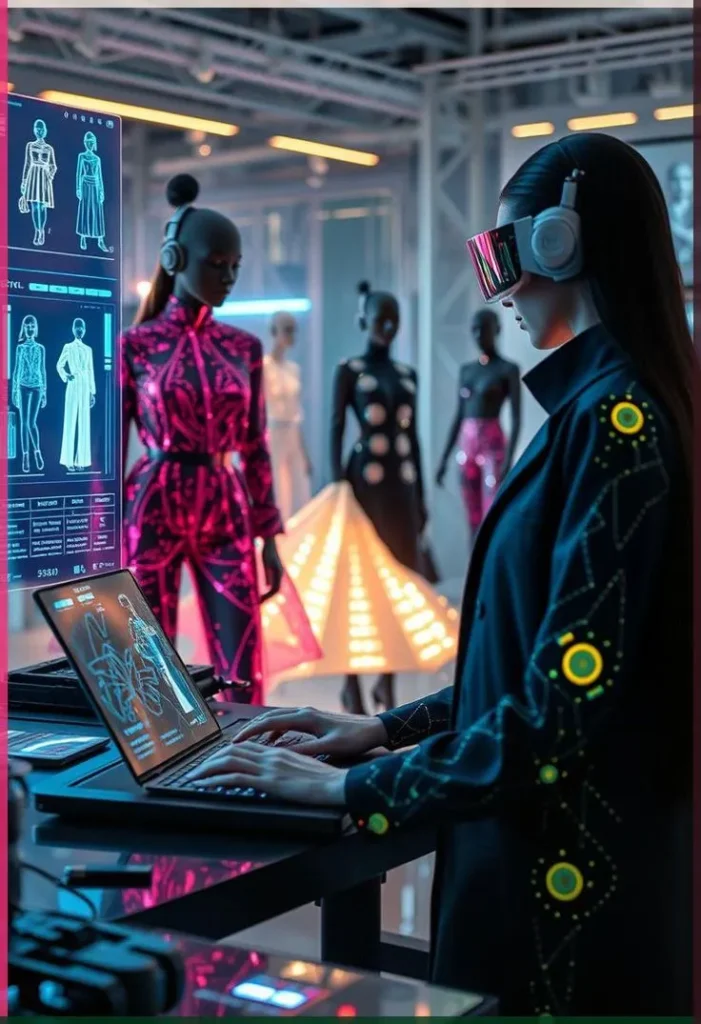
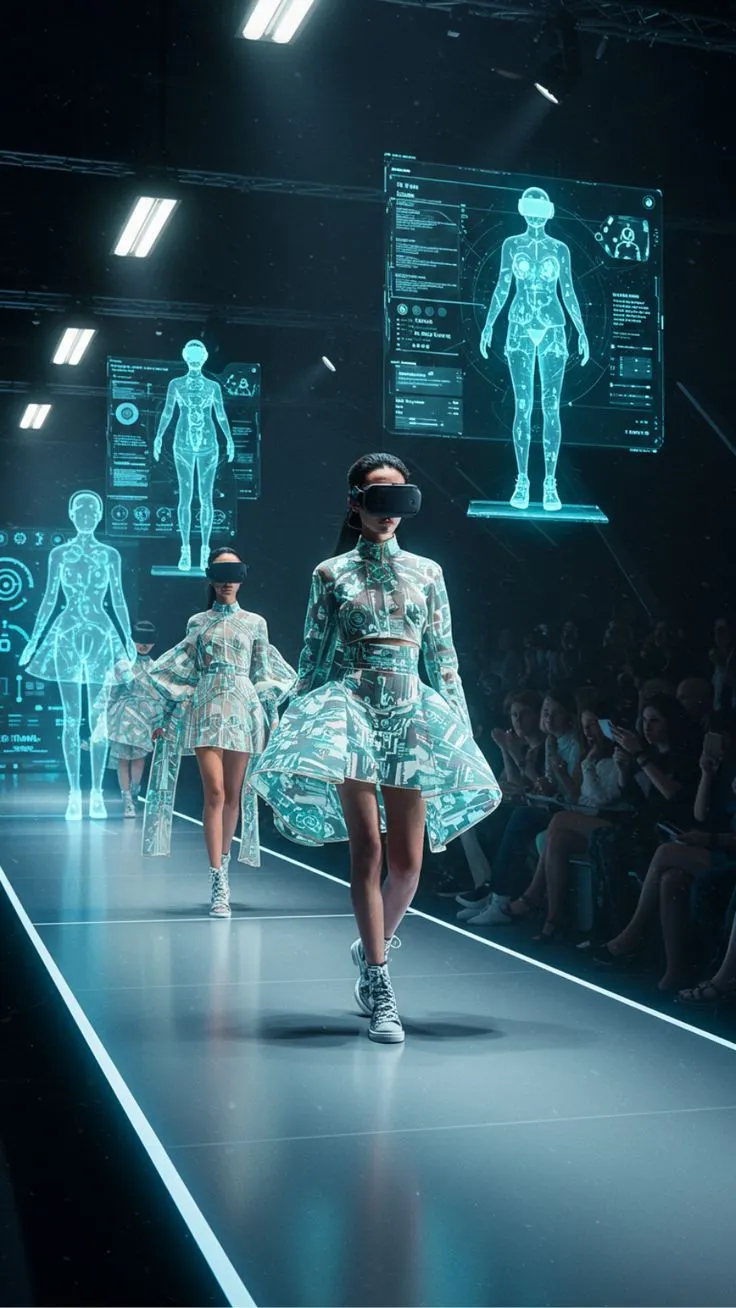
Technology plays a central role in this transformation. Virtual reality, augmented reality, and digital garments are becoming part of the fashion landscape. These innovations challenge traditional notions of what a runway show can be.
The pace of fashion has also influenced this evolution. With multiple collections released each year, designers are finding new ways to maintain engagement. Creative presentations help sustain interest and differentiate brands.
Sustainability considerations are shaping runway shows as well. Smaller, more focused presentations reduce environmental impact while maintaining creative expression. Digital formats also offer more sustainable alternatives.
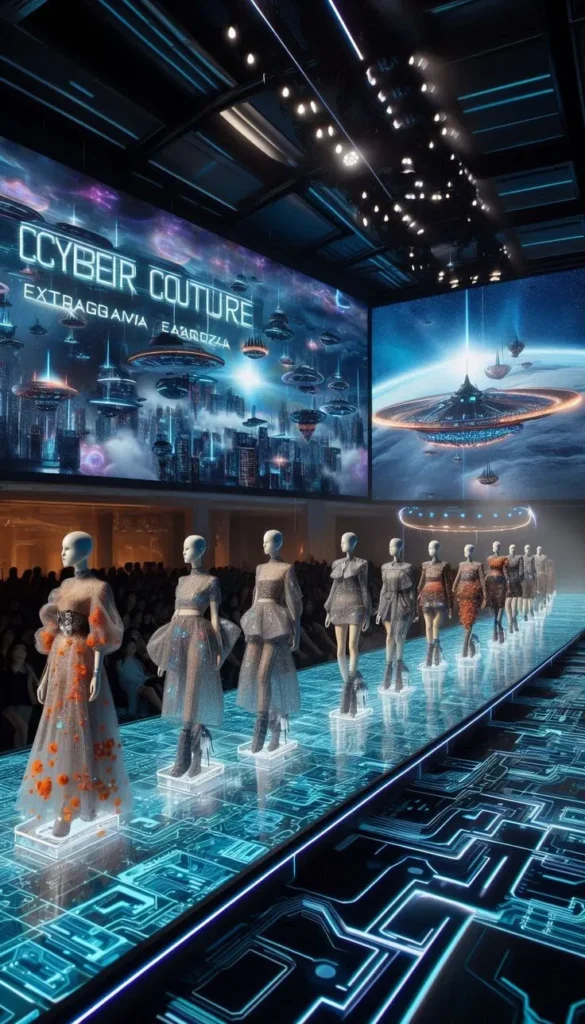
Audience expectations have shifted accordingly. Viewers are no longer passive observers but active participants. Social media allows them to engage with shows in real time, sharing reactions and interpretations.
The evolution of runway shows reflects broader changes in the fashion industry. It highlights the importance of innovation and adaptability. It shows that tradition and technology can coexist in dynamic ways.
Ultimately, runway shows are no longer just about showcasing clothes. They are about creating experiences that resonate across both physical and digital spaces.