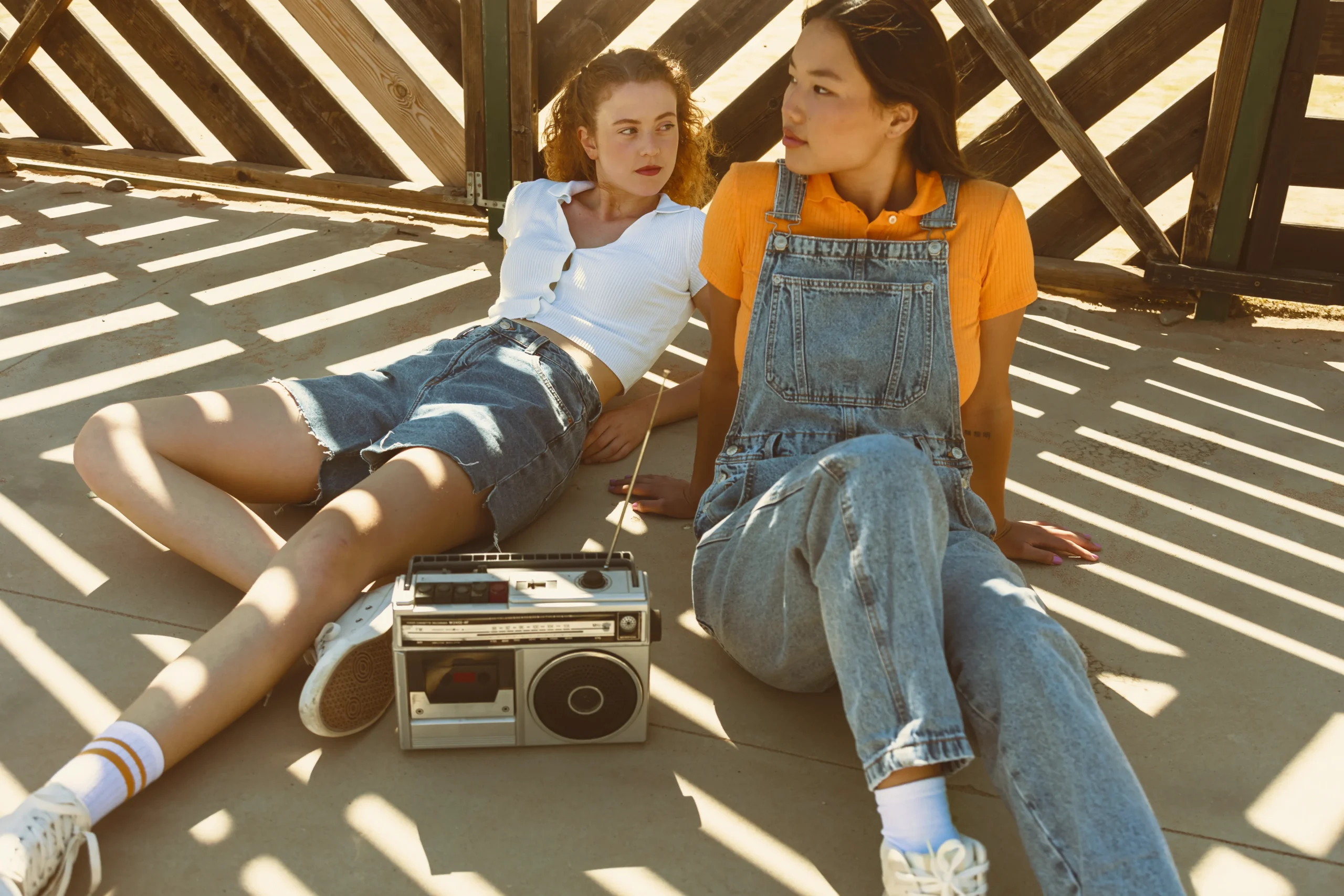
Nostalgia has become one of the most powerful forces in contemporary fashion. From the resurgence of late nineties silhouettes to the revival of early 2000s aesthetics, the past is constantly being reinterpreted through a modern lens.
This fascination with nostalgia is not simply about aesthetics. It is deeply emotional. In times of uncertainty, looking back can provide comfort. Familiar styles evoke memories of simpler moments, even if those memories are idealized.
The cyclical nature of fashion has always existed, but the speed of revival has accelerated. Digital archives and social media make it easier than ever to access and reinterpret past trends. What once took decades to return can now reappear within years.
Nostalgia also allows for reinvention. Designers do not simply replicate past styles but reinterpret them. They combine vintage elements with contemporary techniques, creating something that feels both familiar and new.
There is also a generational aspect to consider. Younger audiences are discovering trends that feel novel to them, even if they are rooted in the past. This creates a sense of discovery that fuels the cycle of revival.
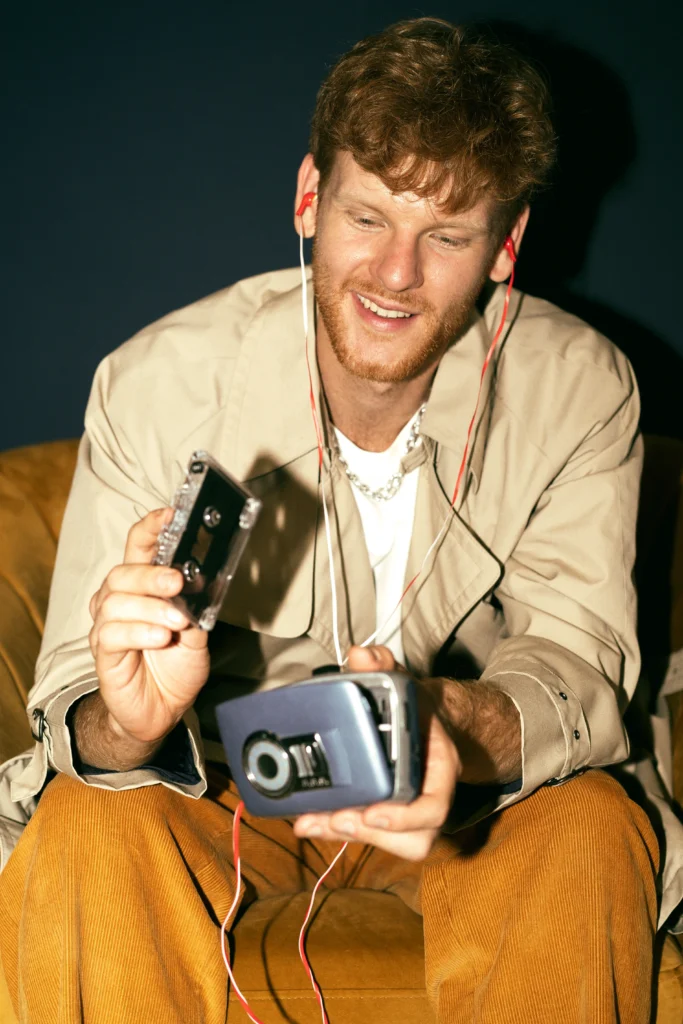
Vintage shopping has become a key part of this movement. It offers access to authentic pieces while also promoting sustainability. Wearing vintage is not just about style but about storytelling and individuality.
Pop culture plays a significant role in shaping nostalgic trends. Films, television shows, and music often revive interest in specific eras. These influences extend beyond clothing to include beauty and lifestyle choices.
The appeal of nostalgia lies in its ability to bridge past and present. It allows individuals to connect with history while expressing contemporary identity. It creates a sense of continuity in a rapidly changing world.
However, nostalgia can also be selective. It often highlights certain aspects of the past while overlooking others. This raises questions about how history is remembered and represented.
Ultimately, nostalgia’s influence on modern style reflects a desire for connection. It shows that fashion is not just about the future but about how we interpret and carry the past with us.