Luxury has traditionally been associated with exclusivity and price. However, the definition of luxury is changing. Increasingly, individuality is being seen as the ultimate form of value.
This shift reflects a broader cultural movement toward self expression. In a world where trends are easily accessible, standing out becomes more meaningful than fitting in. Unique style carries more weight than recognizable labels.
Customization plays a key role in this new definition of luxury. Personalized garments and bespoke designs offer a level of individuality that mass production cannot replicate. They create a deeper connection between the wearer and the piece.
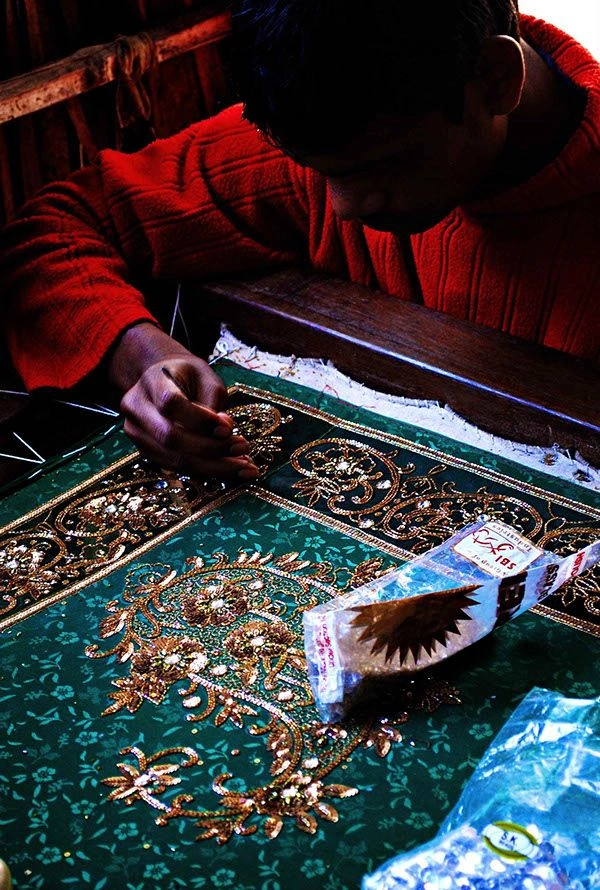
There is also a growing appreciation for craftsmanship. Handmade items and artisanal techniques are valued for their uniqueness and quality. They represent time, skill, and attention to detail.
Sustainability intersects with this concept as well. Choosing pieces that are ethically produced and long lasting reflects a commitment to values beyond aesthetics. This adds another layer of meaning to luxury.

The influence of digital culture has made individuality more visible. Social platforms allow people to showcase their unique style to a global audience. This visibility reinforces the value of distinctiveness.
At the same time, there is a tension between individuality and commercialization. As unique styles gain popularity, they can quickly become trends. Maintaining authenticity requires constant evolution.
Designers are responding by creating more diverse and inclusive collections. They recognize that luxury is no longer one size fits all. It is about offering options that allow individuals to express themselves.
Ultimately, the rise of individuality as luxury reflects a shift in priorities. It suggests that true value lies not in what is owned but in how it is expresse.