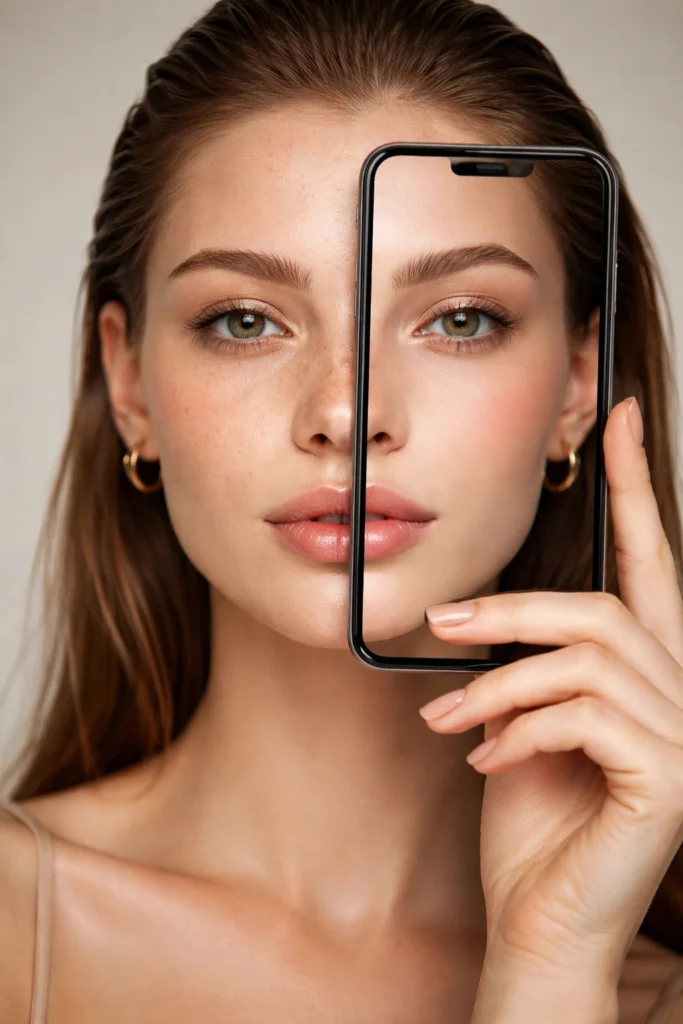
The Salmon DNA Surge and the Age of Cellular Repair
By Isla Brown
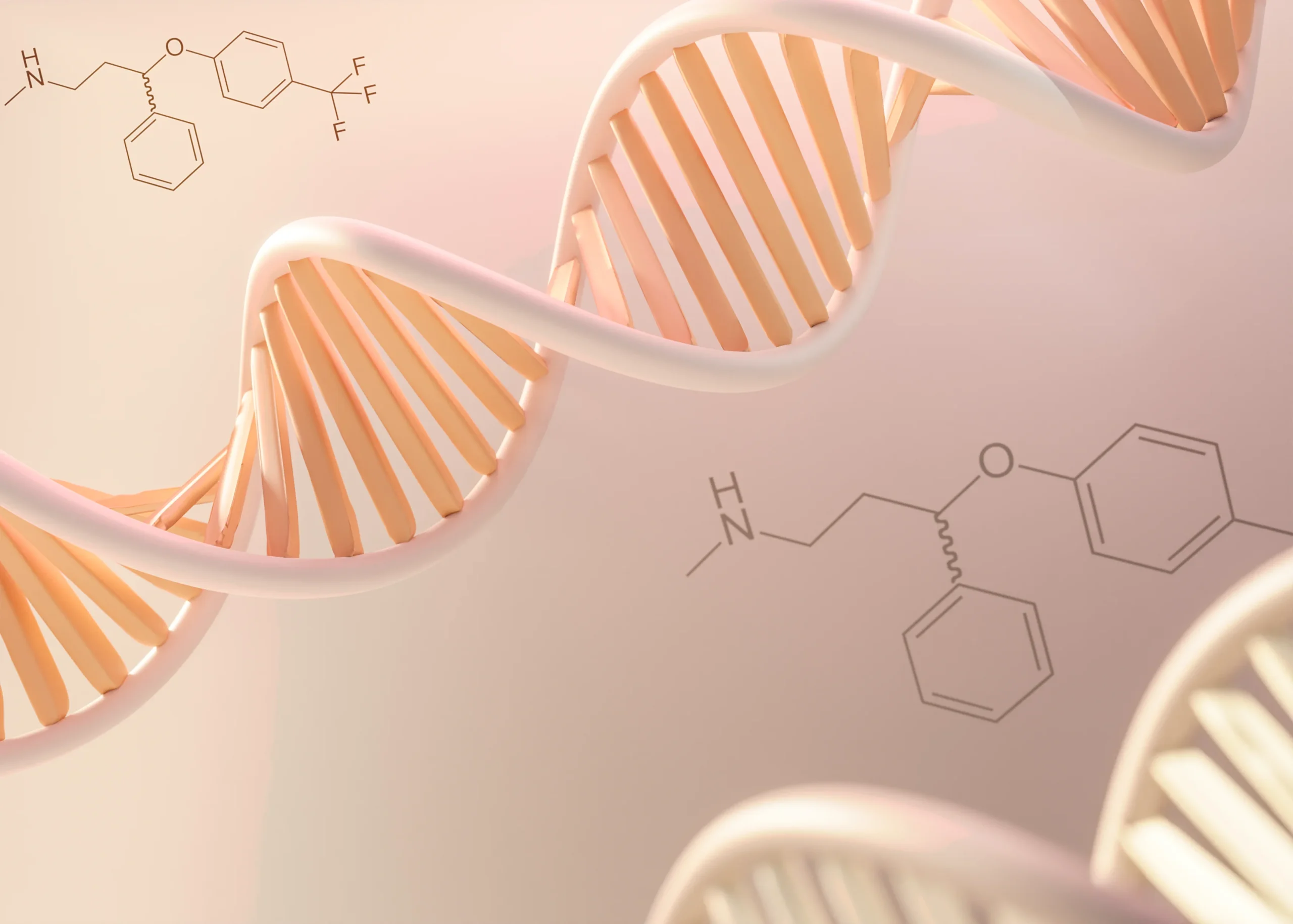
In clinics from Seoul to London, a single acronym is being spoken with increasing reverence. PDRN, short for Polydeoxyribonucleotide, has moved swiftly from specialist dermatology circles into the mainstream vocabulary of skincare. Derived from fragments of salmon DNA and refined through meticulous purification processes, this regenerative compound is now positioned as one of the most compelling ingredients of the year. Once associated primarily with advanced K beauty treatments, it has evolved into a global phenomenon, championed as a barrier builder capable of repairing skin at a cellular level and delivering luminosity that appears to originate from within.
The fascination with PDRN reflects a broader shift in how we think about skincare. For years, the industry was dominated by exfoliating acids, retinoids and brightening agents designed to resurface and correct. While these ingredients remain valuable, there has been a growing recognition that aggressive treatment without adequate repair can compromise the skin barrier. Consumers have become increasingly educated about transepidermal water loss, inflammation and the delicate microbiome that protects the epidermis.
The new priority is resilience. Radiance is no longer pursued through stripping and polishing alone but through rebuilding and strengthening. PDRN sits perfectly within this regenerative narrative. Polydeoxyribonucleotides are chains of nucleotides that serve as the building blocks of DNA. In medical settings, PDRN has long been used to promote wound healing and tissue repair due to its ability to stimulate cellular regeneration. When introduced into the skin, it interacts with specific receptors that encourage fibroblast activity, enhance collagen synthesis and support microcirculation.
The result is improved elasticity, reduced inflammation and accelerated recovery from environmental stress. The choice of salmon as a source is not arbitrary. Salmon DNA shares a high degree of compatibility with human DNA, allowing it to be safely utilised once purified and processed. Through advanced extraction techniques, the DNA fragments are isolated, sterilised and refined into a biocompatible compound. In both injectable treatments and topical formulations, these fragments act as signalling molecules, prompting the skin to repair itself more efficiently.
This biological dialogue between ingredient and tissue is what distinguishes PDRN from surface level hydrators or temporary plumpers. Dermatologists frequently describe PDRN as a barrier builder, and for good reason.

The skin barrier, composed primarily of lipids and structural proteins, functions as a shield against pollution, ultraviolet radiation and moisture loss. When compromised, it leads to dryness, sensitivity and a dull appearance. By supporting cellular turnover and reinforcing the extracellular matrix, PDRN helps restore integrity to this protective layer. Patients often report that their skin feels calmer and less reactive within weeks, with a subtle but noticeable improvement in texture.
One of the most compelling aspects of PDRN is the quality of glow it produces. Unlike high shine finishes created by heavy occlusives or reflective particles, the luminosity associated with PDRN is often described as glass like from the inside out. This phrase, once synonymous with layered hydrating toners and meticulous sheet masking routines, now carries a deeper meaning. The smoothness is not merely cosmetic but structural. As collagen density improves and inflammation subsides, light reflects more evenly across the skin surface. Fine lines appear softened not because they have been filled, but because the tissue beneath them has become more robust.
The migration of PDRN from injectable treatments to topical serums has accelerated its popularity. In clinical settings, PDRN injections are used to target areas of thinning skin, acne scarring or post procedure recovery. However, advances in formulation technology have enabled brands to encapsulate PDRN in serums designed for daily use. Encapsulation techniques protect the molecule and enhance its penetration, ensuring it reaches viable layers of the epidermis. This accessibility has transformed PDRN from an insider secret into a retail sensation.
The timing of its ascent is no coincidence. In the aftermath of years marked by stress, disrupted routines and increased screen exposure, many individuals have experienced heightened skin sensitivity and barrier impairment.
Blue light, pollution and fluctuating indoor climates have taken their toll. Against this backdrop, an ingredient that promises restoration rather than exfoliation feels particularly appealing. The narrative of regeneration resonates in a culture increasingly drawn to longevity and preventative care.
Critically, PDRN does not function in isolation. Its effectiveness is amplified when paired with complementary ingredients such as hyaluronic acid, ceramides and peptides. Hyaluronic acid attracts and retains moisture, providing the hydrated environment necessary for optimal cellular function. Ceramides replenish lipids within the barrier, while peptides further encourage collagen production. Together, they create a supportive ecosystem in which PDRN can perform at its best. The synergy between these components reflects a more sophisticated understanding of skin as an interconnected system rather than a canvas for isolated actives.
There are, of course, considerations. As with any bioactive ingredient, quality and concentration matter enormously. Not all formulations contain clinically meaningful levels of PDRN, and purification standards can vary. Reputable brands invest in rigorous testing to ensure safety and efficacy, particularly given the marine origin of the compound. For individuals with specific allergies or ethical concerns related to animal derived ingredients, consultation with a professional is advisable. Transparency around sourcing and processing is becoming a key differentiator in a crowded market.
The enthusiasm surrounding PDRN also speaks to a larger movement within beauty towards regenerative science. Consumers are increasingly intrigued by ingredients that engage directly with cellular pathways, whether through growth factors, stem cell derivatives or nucleotides. The language of skincare has become more medical, reflecting a desire for credibility and measurable results. PDRN embodies this intersection between cosmetic elegance and clinical substance.

If current trajectories continue, it is likely that by early spring PDRN will feature prominently in serums, ampoules and even hybrid complexion products. What began as a niche treatment in select clinics has evolved into a symbol of the industry’s regenerative turn. It represents a departure from quick fixes and a commitment to deeper repair. The promise is not instant perfection but gradual strengthening, a rebuilding of the skin’s architecture that manifests as clarity and calm.
In many ways, the rise of salmon DNA regeneration mirrors the broader cultural fascination with renewal. Rather than fighting the skin, the aim is to collaborate with its inherent intelligence. PDRN does not overwhelm the barrier or force dramatic peeling. Instead, it whispers instructions at a cellular level, encouraging tissue to function as it once did. The glow that follows is less about shine and more about health. In an era that prizes authenticity and longevity, that distinction may be precisely why this unassuming acronym has become the most talked about secret in skincare.