rizbhutta@hotmail.com

From Acne to Acceptance: Why Gen Z Treats Skin Like a Lifestyle, Not a Problem

From Acne to Acceptance, Why Gen Z Treats Skin Like a Lifestyle, Not a Problem

From Acne to Acceptance, Why Gen Z Treats Skin Like a Lifestyle, Not a Problem By Ami Pandey In the mirror-lit glow of a bustling college dorm, 22-year-old Mia pauses her morning routine. Instead of slathering on a thick layer of concealer to hide a fresh breakout, she snaps a selfie, blemishes and all, and posts it with the caption: “Skin’s having a moment, but so am I.” This isn’t rebellion; it’s revolution. For Generation Z, born between 1997 and 2012, skincare has evolved beyond the battle against imperfections. Acne, once a teenage nemesis warranting aggressive scrubs and spot treatments, is now part of a broader narrative of self-acceptance and holistic wellness. But why this shift? And what does it mean for the beauty industry? Let’s dive into the world where skin isn’t a problem to solve but a canvas for living. The Evolution of Skincare: From Fix-It to Feel-Good Remember the ’90s and early 2000s? Skincare ads screamed promises of “flawless” complexions, pushing products that stripped away oils and zapped zits with harsh chemicals like benzoyl peroxide at maximum strength. For millennials and older generations, skin issues were enemies to eradicate, often at the cost of irritated barriers and endless cycles of rebound breakouts. Enter Gen Z, a cohort raised on Instagram filters, TikTok tutorials, and a global pandemic that forced introspection. They’ve flipped the script. Today, in 2026, Gen Z views skin as an extension of their identity, much like their playlists or wardrobes. A survey from beauty trend forecasters indicates that over 70% of young adults under 25 prioritize “skin health” over “perfection,” opting for routines that nurture rather than punish. This mindset stems from a cultural pivot toward authenticity. “Acne isn’t a flaw; it’s feedback,” says dermatologist Dr. Elena Vasquez, a voice in the rising skin positivity movement. “Gen Z understands that stress, hormones, and even gut health play roles in treating it as a lifestyle means addressing the root, not just the surface.” What makes this approach so magnetic? It’s empowering. Imagine waking up to a pimple and, instead of panic, reaching for a gentle cleanser infused with calming botanicals. This acceptance doesn’t mean ignoring issues; it means integrating care into daily life, turning routines into rituals that boost mood and confidence. Social Media’s Role: Filters Out, Realness In Scroll through TikTok, and you’ll find #SkinPositivity videos amassing billions of views, creators baring textured skin, rosacea flares, and post-acne marks without apology. Gen Z, digital natives, have harnessed platforms to democratize beauty. Influencers like 20-year-old skincare enthusiast Jordan Lee share unfiltered journeys: “I used to hide my acne with heavy makeup, but now I celebrate my progress. It’s about progress, not perfection.” This transparency combats the isolation many felt in previous eras. Mental health awareness, amplified by apps and online communities, links skin struggles to emotional well-being. Studies show that 60% of Gen Z reports anxiety tied to appearance, yet they’re twice as likely as millennials to seek therapy alongside skincare. Brands have noticed: Lines like “Barrier Boost” serums emphasize repair over eradication, using ingredients like ceramides and hyaluronic acid to fortify the skin’s natural defenses. Moreover, inclusivity reigns. Gen Z demands representation—products for all tones, textures, and concerns. Gone are the days of one-size-fits-all; personalized quizzes on apps guide users to tailored regimens, blending tech with self-care. Picture an AI-powered mirror analyzing your skin’s needs based on sleep data from your wearable device. It’s not sci-fi; it’s 2026 reality, making skincare feel like a personalized adventure rather than a chore. Holistic Habits: Skin as a Reflection of Life What truly sets Gen Z apart is their holistic lens. Skincare isn’t isolated—it’s intertwined with lifestyle choices. “Skin is my barometer for wellness,” explains 24-year-old wellness blogger Alex Rivera. “If I’m breaking out, I check my diet, hydration, or even my workout routine.” This generation favors “skinimalism” streamlined routines with multifunctional products that do more with less. A single serum might hydrate, brighten, and protect, freeing time for what matters: friends, hobbies, or activism. Key trends underscore this: Regenerative ingredients like PDRN (derived from natural sources) promote long-term resilience, while peptides and ectoin shield against environmental stressors. Sustainability matters too. Gen Z boycotts wasteful packaging, opting for refillable jars and clean, plant-based formulas. “We’re not just consumers; we’re conscious,” says Rivera. Ethical sourcing, from fair-trade botanicals to cruelty-free testing, aligns with their values, turning purchases into statements. Nutrition plays a starring role. Probiotic-rich foods and supplements support the gut-skin axis, reducing inflammation that fuels acne. Sleep trackers remind users that quality rest equals radiant skin, while stress-busting practices like meditation apps integrate seamlessly. Even fitness ties in: Yoga sessions for circulation, or hikes for vitamin D absorption. It’s a full-circle approach, skin thrives when life does. But let’s get real: This isn’t always easy. Economic pressures mean affordable options are crucial. Drugstore dupes for high-end actives make acceptance accessible, proving luxury isn’t a prerequisite for loving your skin. The Industry’s Awakening: Brands on Board Beauty giants are racing to catch up. In 2026, launches emphasize “acceptance-first” messaging campaigns featuring diverse models with visible pores or scars. Indie brands like Glow Collective thrive by co-creating with Gen Z via social polls, ensuring products resonate. “We’re seeing a boom in barrier-repair lines,” notes beauty analyst Sarah Kline. “Gen Z’s influence has shifted R&D toward gentle, science-backed innovations that prevent issues proactively.” Take the rise of “mood-boosting” skincare: Scents like lavender for calm or citrus for energy elevate routines to sensory experiences. Tools like LED masks, once niche, are now staples, offering at-home glow-ups without invasive procedures. And with menopause-targeted care gaining traction, the conversation expands beyond youth, fostering intergenerational dialogue. Yet, challenges linger. Overconsumption tempts via viral trends, but Gen Z counters with education debunking myths like “more actives equal better results.” Their mantra? Balance. By treating skin as a lifestyle, they avoid burnout, both literal and figurative. Embracing the Journey: What’s Next? As we look ahead, Gen Z’s philosophy promises a kinder beauty landscape. Acne to

From Acne to Acceptance, Why Gen Z Treats Skin Like a Lifestyle, Not a Problem Read More »
Dressing for the Algorithm: When Fashion Becomes a Moodboard

Dressing for the Algorithm, When Fashion Becomes a Moodboard

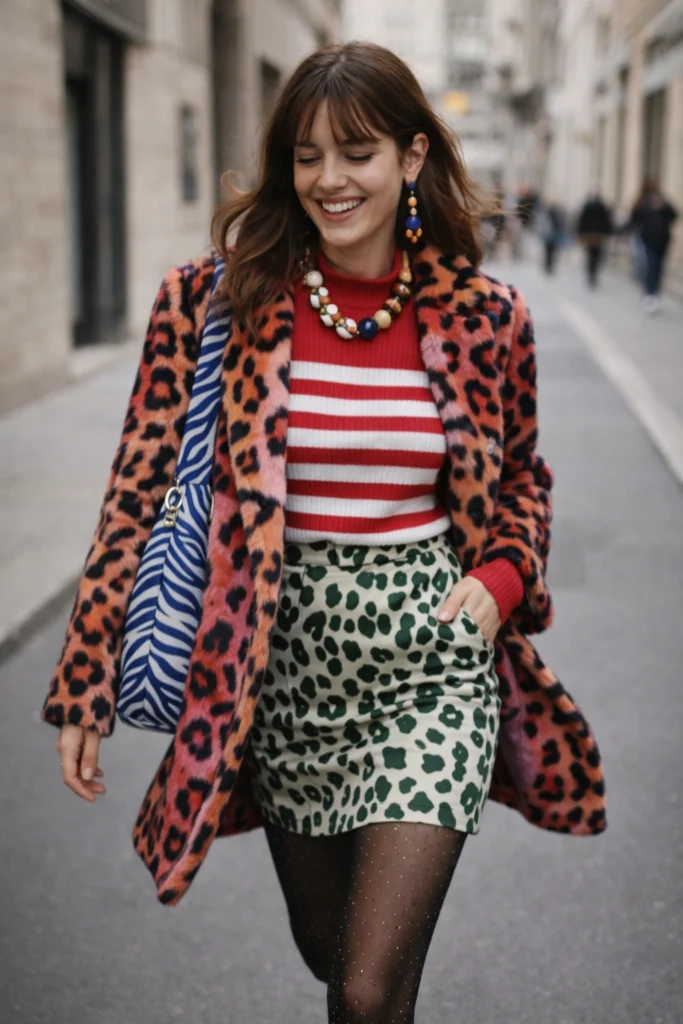
Dressing for the Algorithm, When Fashion Becomes a Moodboard By Tom McDonald In the glow of your phone screen at midnight, scrolling through an endless feed of perfectly curated outfits, have you ever paused and wondered: Am I dressing for myself, or for the likes? Welcome to the era of “dressing for the algorithm,” where fashion isn’t just about personal expression it’s a strategic game of visuals, hashtags, and viral potential. For today’s style-savvy individual, the wardrobe has transformed into a living moodboard, optimized not for the mirror but for the metrics. As algorithms dictate what bubbles to the top of our feeds, they’re reshaping how we shop, style, and even see ourselves. In this article, we’ll dive into this fascinating intersection of glamour, technology, and self-care, exploring how it’s revolutionizing beauty and wellness while posing some intriguing challenges. Imagine a young professional in New York, let’s call her Elena. She wakes up, sips her matcha latte, and meticulously plans her outfit: a oversized blazer layered over a silk slip dress, accessorized with chunky gold chains and platform sneakers. It’s not just cute it’s content. She snaps a mirror selfie, edits it with a filter that enhances the golden hour vibe (even though it’s 8 a.m.), and posts it with #OOTD, #StreetStyle, and a geotag from a trendy café. Within hours, the likes pour in, comments flood with fire emojis, and her follower count ticks up. But here’s the twist: Elena chose that blazer because she saw similar looks dominating her For You page on TikTok. The algorithm fed her content from influencers whose aesthetics align with “quiet luxury” trends, and now she’s emulating it to stay relevant. This isn’t coincidence; it’s calculation. At its core, dressing for the algorithm means curating your personal style to align with what platforms like Instagram, TikTok, and Pinterest prioritize. Algorithms favor eye-catching visuals bold colors, symmetrical compositions, and elements that evoke emotion or aspiration. Think of the “clean girl” aesthetic that exploded in 2023: slicked-back buns, minimal makeup, and neutral tones that scream effortless elegance. Or the “Barbiecore” pink frenzy post-2023 movie release, where users flooded feeds with hot pink outfits to ride the wave of cultural hype. These aren’t organic evolutions; they’re amplified by algorithms that reward engagement. A post with high contrast, dynamic poses, or trending sounds gets pushed to more users, creating a feedback loop where fashion becomes a moodboard of what’s “working” right now. This phenomenon has deep roots in the rise of social media as a fashion democratizer. Gone are the days when glossy magazines like Vogue solely dictated trends from Paris runways. Now, anyone with a smartphone can be a tastemaker. Platforms encourage this by turning users into creators: Instagram’s Reels prioritize short, snappy videos of outfit transitions, while TikTok’s Duet feature lets you remix someone else’s look. The result? A global moodboard where inspiration flows freely. For beauty and wellness enthusiasts, this is empowering. It fosters creativity mixing thrift finds with high-end pieces in unexpected ways and builds communities. Wellness influencers, for instance, blend fashion with mindfulness, showing how a flowy maxi dress paired with crystal jewelry can symbolize “inner peace vibes.” It’s not just about looking good; it’s about feeling aligned, turning your outfit into a visual mantra for the day. Yet, this algorithmic influence isn’t all shimmer and glow. There’s a darker undercurrent that ties directly into wellness concerns. The pressure to perform can erode authenticity, leading to a homogenized style where everyone starts looking like variations of the same moodboard. Remember the “VSCO girl” trend of 2019? Hydro Flasks, scrunchies, and oversized tees became ubiquitous because they photographed well and racked up saves. But for many, it felt performative, not personal. Studies from digital wellness experts highlight how constant comparison on social media exacerbates body image issues and anxiety. When your outfit’s success is measured in metrics, views, shares, impressions, it shifts fashion from self-expression to validation-seeking. Elena, our hypothetical New Yorker, might love vintage band tees, but if they don’t “pop” on the feed, they gather dust in her closet. This can lead to decision fatigue, where choosing clothes becomes a mental math problem: Will this get likes? Does it fit the algorithm’s mood? Moreover, the beauty industry feels the ripple effects. Makeup tutorials now emphasize “Instagrammable” looks, dewy skin that catches light perfectly for selfies, or bold lips that stand out in thumbnails. Wellness brands capitalize on this, marketing products like LED face masks not just for skin health but for that post-treatment glow-up photo op. But at what cost? The pursuit of algorithmic perfection can blur the lines between genuine self-care and curated facade. Therapists specializing in digital detox note an uptick in clients feeling “fashion burnout,” where the joy of dressing up is overshadowed by the need to document it. It’s a reminder that while algorithms curate our feeds, we must curate our boundaries. To navigate this, let’s consider the pros through real-world lenses. Take micro-influencers in the wellness space, like those promoting body-positive fashion. They dress for the algorithm by using inclusive hashtags like #AllBodiesAreBeautiful, but they infuse it with authenticity sharing unfiltered outtakes or styling tips for different body types. This creates moodboards that feel relatable, encouraging followers to experiment without pressure. On the flip side, major trends like “dopamine dressing” wearing bright colors to boost mood have gone viral because they tie fashion to emotional wellness. Algorithms love the positivity, pushing these posts to users seeking uplift, thus creating a virtuous cycle. But innovation is key to keeping it fresh. Emerging tech like AI style generators (think apps that suggest outfits based on your feed) are taking moodboards to the next level. Imagine uploading your wardrobe photos, and an algorithm spits out combinations optimized for virality while factoring in your personal vibe. For glamour aficionados, this means more time enjoying the art of dressing and less guessing what “works.” Yet, experts warn against over-reliance: “Fashion should spark joy, not just engagement,” says a fictional stylist

Dressing for the Algorithm, When Fashion Becomes a Moodboard Read More »

Are We Enhancing or Editing Ourselves? The Psychology Behind Aesthetic Obsession explores beauty culture, self-image, social validation, and modern identity.

The Psychology Behind Aesthetic Obsession, Are We Enhancing or Editing Ourselves?

Are We Enhancing or Editing Ourselves? The Psychology Behind Aesthetic Obsession By Jane Stevens In an era dominated by digital perfection, where a single filter can redefine your features in seconds, it’s worth pausing to reflect: are we truly enhancing our natural selves, or are we editing away the very qualities that make us unique? The world of beauty, glamour, and wellness has never been more accessible, with skincare regimens promising eternal radiance, cosmetic procedures offering tailored transformations, and social media serving as the ultimate showcase. Yet, this pursuit often ventures beyond mere self-care into a deeper psychological territory, an obsession with aesthetics that can either empower or undermine our sense of identity. As we unpack the mental underpinnings of this phenomenon, we’ll examine how societal pressures, digital influences, and personal motivations intertwine, drawing from psychological insights to encourage a more mindful approach to beauty. Whether you’re a skincare enthusiast or someone contemplating a subtle tweak, understanding these dynamics can help you navigate the fine line between healthy enhancement and compulsive alteration. The Digital Mirror: How Social Media Fuels the Fire Imagine logging into your favorite app only to be greeted by a parade of impeccable complexions, chiseled contours, and physiques that appear effortlessly ideal. Social media has transformed into a relentless curator of beauty standards, where algorithms prioritize content that embodies societal ideals of flawlessness. This isn’t just passive viewing; it’s an immersive experience that reshapes how we see ourselves. Platforms like Instagram and TikTok create virtual echo chambers, amplifying trends that celebrate narrow definitions of attractiveness such as dewy skin, sharp jawlines, and ageless vitality. The result? A distorted self-image where our unfiltered reflections feel inadequate by comparison. The psychological toll of this exposure is significant and multifaceted. Regular encounters with heavily edited images and influencer lifestyles can breed profound feelings of inadequacy, igniting a vicious cycle of comparison that erodes self-esteem. Research from various studies underscores this impact, revealing heightened levels of body dissatisfaction, particularly among adolescents and young adults who are still forming their identities. Viral trends such as “thinspo” (short for thin inspiration) and “fitspo” (fitness inspiration) glamorize extreme body ideals, often portraying them as achievable through sheer willpower, while downplaying the role of genetics, privilege, or digital manipulation. These movements can subtly normalize disordered behaviors, where the quest for likes overshadows genuine health. Moreover, the ubiquity of editing tools, filters, apps like Facetune, and AI-driven enhancements further blurs the boundary between reality and fabrication. This can exacerbate conditions like body dysmorphic disorder (BDD), a mental health issue where individuals fixate on imagined or minor flaws, leading to obsessive thoughts and behaviors. In BDD, what might start as a casual scroll evolves into hours spent scrutinizing one’s appearance, sometimes culminating in unnecessary interventions. Psychologists point out that this isn’t mere vanity; it’s tied to our evolutionary wiring for social belonging. In primitive times, fitting in meant survival; today, it translates to garnering digital validation through hearts and comments, which release dopamine hits akin to rewards. Younger generations, in particular, are vulnerable. As one expert observes, the influx of polished content can instill a “sense of inferiority,” prompting teens to seek confidence cues from influencers rather than internal sources. This external reliance can hinder emotional development, fostering anxiety when real-life appearances don’t match the curated online persona. Consider the rise of “Snapchat dysmorphia,” where users request surgeries to mimic their filtered selves, highlighting how technology isn’t just reflecting society—it’s reshaping it. To counter this, awareness is key: recognizing that behind every perfect post is often a team of editors, lighting experts, and perhaps even professional retouchers can help reclaim a more grounded perspective. The Fine Line: Enhancement vs. Editing Distinguishing between enhancement and editing is crucial in this aesthetic landscape. Enhancement typically involves practices that nurture and amplify your inherent qualities—think a consistent skincare routine that promotes a healthy glow, or regular exercise that builds strength and vitality. These actions stem from a place of self-love, aiming to feel better in your skin without fundamentally altering your core features. Editing, conversely, often crosses into territory driven by discontent, such as serial cosmetic procedures or extreme diets aimed at conforming to external ideals rather than personal fulfillment. At the heart of this distinction lies motivation, influenced by psychological factors like self-esteem and cultural conditioning. Low self-worth, amplified by media narratives that equate beauty with success, can propel individuals toward drastic changes. The “Zoom boom” phenomenon during the global pandemic exemplifies this: with video calls becoming the norm, self-scrutiny skyrocketed, leading to a notable increase in aesthetic procedures among those under 30. What began as a way to address pandemic-induced isolation morphed into a broader trend, where virtual meetings highlighted perceived imperfections like under-eye bags or asymmetrical features. However, this path can be precarious. Psychologists warn that while initial tweaks might provide a temporary lift, they can spiral into obsessive patterns if underlying issues aren’t addressed. It’s akin to a feedback loop: one procedure satisfies a flaw, only to spotlight another, perpetuating dissatisfaction. Cultural contexts play a role too; in societies where youth and symmetry are prized, such as in Western media or K-beauty influences from Asia, the pressure intensifies. Gender dynamics add layers. Women often face more scrutiny, but men are increasingly affected by ideals of muscularity and hair restoration. Exploring personal stories can illuminate this. Take someone who opts for lip fillers to enhance a smile they’ve always loved versus another who does it to mimic a celebrity’s pout, driven by insecurity. The former might experience lasting confidence; the latter could find the change never quite “enough.” To navigate this, introspection is vital: asking “Why am I doing this?” can reveal whether it’s enhancement rooted in joy or editing fueled by fear. The Upside: When Aesthetics Empower Amid the cautions, it’s essential to acknowledge the empowering potential of aesthetic pursuits. When undertaken thoughtfully, these choices can profoundly uplift mental health. Psychological research supports this, showing that cosmetic interventions ranging from non-invasive treatments like Botox to

The Psychology Behind Aesthetic Obsession, Are We Enhancing or Editing Ourselves? Read More »