The Invisible Algorithm of Youth
By Maria Santos
The aesthetic ideals that once dominated social media feeds now feel strangely theatrical. The immobile foreheads and exaggerated contours of recent years have begun to recede, replaced by something quieter and infinitely more sophisticated. In February this year, a new language of beauty has taken hold. It is being described as Biometric Beauty, though within clinics it is often referred to more discreetly as stealth aesthetics. This is not about visible intervention. It is about precision, subtlety and a kind of scientific intimacy with the skin that borders on bespoke medicine. The aim is not to look altered but to look restored, as though one has spent a month breathing alpine air and sleeping deeply in a Swiss retreat, returning with skin that appears rested, resilient and quietly luminous.
The cultural appetite for this shift has been building for some time. Consumers have grown weary of faces that appear frozen in expression or sculpted to a uniform ideal. The public conversation has matured, and with it has come a more critical understanding of what aesthetic medicine can and should achieve. The new aspiration is not transformation but optimisation. It is the desire to look like oneself on a very good day, consistently.
That subtle recalibration has opened the door to technologies and treatments that work with the biology of the individual rather than imposing an external template. Central to this evolution is the rise of AI powered diagnostic systems capable of analysing the skin with extraordinary depth. What once required invasive testing or subjective clinical judgement can now be assessed through advanced imaging and algorithmic modelling. These systems evaluate genetic ageing tendencies, collagen density projections, pigment irregularities and real time hydration levels.
By mapping how a person is likely to age based on inherited traits and environmental exposure, practitioners can design preventative strategies that are tailored with remarkable specificity. Instead of reacting to wrinkles once they have formed, clinicians are now able to anticipate structural decline before it becomes visible.
The science underpinning this approach draws on decades of dermatological research into intrinsic and extrinsic ageing. Intrinsic ageing reflects the gradual biological changes encoded within our DNA, while extrinsic ageing is shaped by ultraviolet radiation, pollution, stress and lifestyle. Biometric Beauty attempts to quantify both streams of influence. Sophisticated imaging devices measure transepidermal water loss, micro inflammation and elasticity shifts that are imperceptible to the naked eye.
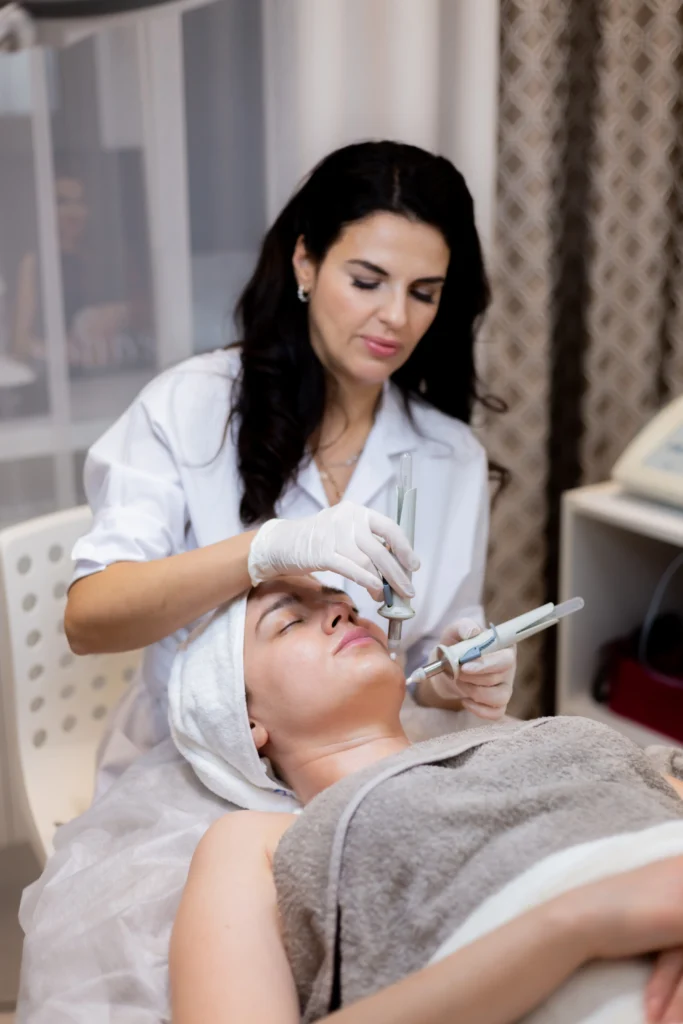
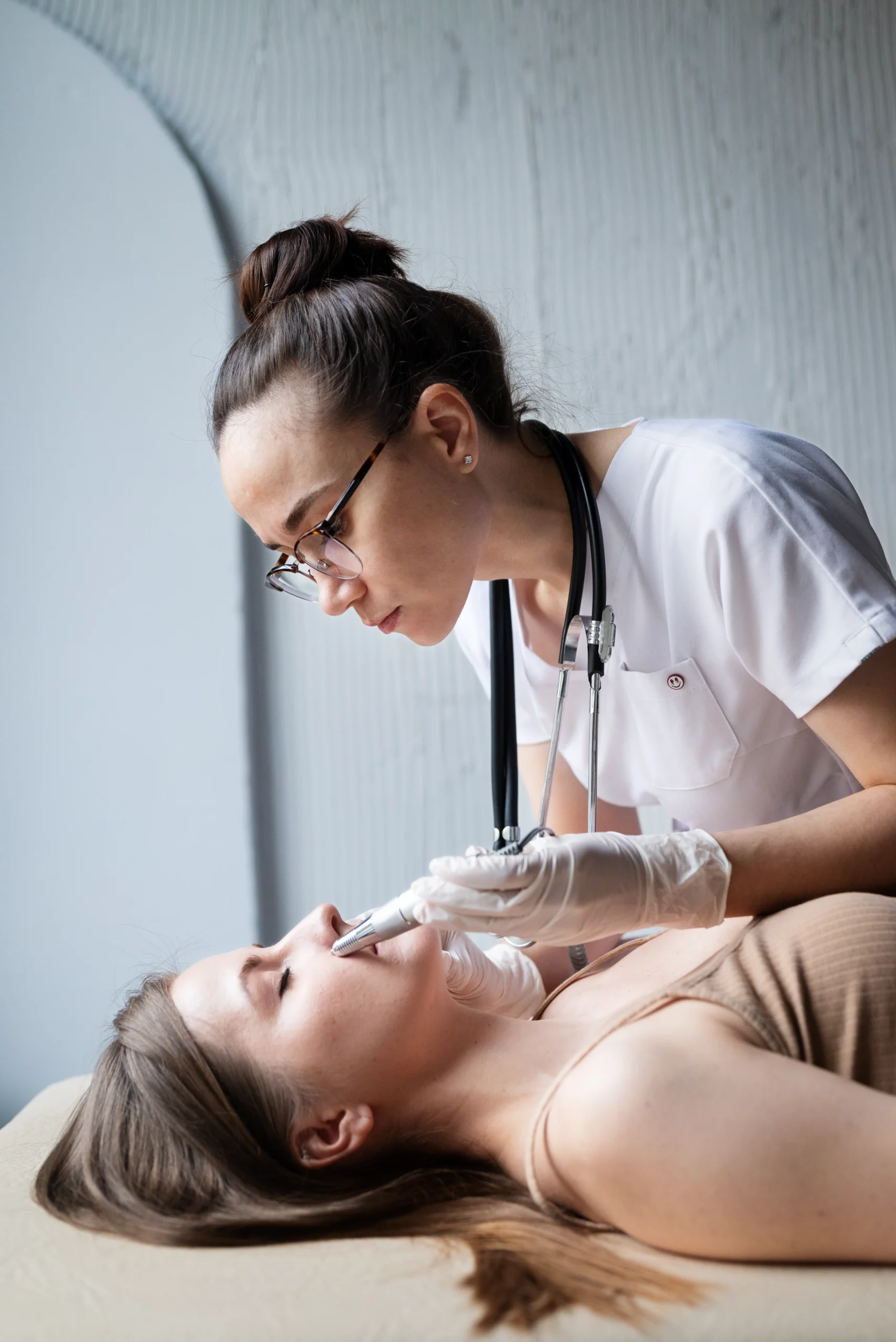
Machine learning systems then compare this data with vast libraries of skin profiles, identifying patterns and predicting trajectories. The result is a form of aesthetic forecasting, in which treatment plans are constructed around an individual blueprint rather than a trend. Treatments themselves have evolved in parallel with diagnostics.
Polynucleotide therapy has emerged as one of the defining interventions of this era. Derived from highly purified DNA fragments, polynucleotides act as signalling molecules within the skin. When injected into targeted areas, they stimulate fibroblasts to increase collagen and elastin production, enhance microcirculation and improve tissue repair. Unlike traditional dermal fillers that add immediate volume beneath the surface, polynucleotides encourage the skin to regenerate from within.
The change is gradual and accumulative, often described by patients as a return of vitality rather than an artificial enhancement. Collagen stimulating injectables also play a crucial role in this stealth philosophy. These biostimulatory treatments trigger the body to lay down new structural proteins over time. As collagen production rises, skin appears firmer and more supple, yet the architecture of the face remains recognisably personal. There is no abrupt shift in contour or expression.
Instead, there is a slow re strengthening of the underlying framework that supports natural movement and emotion. This distinction is essential to the appeal of Biometric Beauty. The objective is restoration rather than filling, resilience rather than rigidity. Another dimension of the trend is the integration of continuous monitoring. Wearable technology and smartphone applications are increasingly capable of tracking hydration, sleep quality and environmental exposure. When combined with clinical data, these metrics offer a holistic picture of how daily habits influence the skin.
For example, fluctuations in hydration can now be measured and correlated with barrier function, allowing adjustments to skincare routines or in clinic treatments in near real time. This convergence of lifestyle data and aesthetic planning reflects a broader societal movement towards personalised health optimisation. Psychologically, stealth aesthetics resonate because they align with contemporary values of authenticity and wellbeing.
There is a growing discomfort with the idea of chasing a homogenised ideal shaped by filters and fleeting trends. Biometric Beauty reframes the goal as longevity and vitality rather than youth at any cost. Ageing is approached as a biological process that can be supported and slowed, but not denied. Skin is treated as a living organ that responds to nourishment, protection and intelligent intervention. The influence of regenerative medicine is unmistakable. Researchers have spent years investigating how to harness the body’s own repair mechanisms, from growth factors to stem cell signalling.
While aesthetic applications remain distinct from more invasive medical therapies, the philosophy overlaps. Encouraging endogenous collagen production, reducing chronic inflammation and strengthening the extracellular matrix are all strategies rooted in fundamental biology. The clinic becomes less a place of cosmetic alteration and more a site of targeted regeneration.
Of course, subtlety demands patience. Results unfold over weeks and months, requiring trust between practitioner and patient. This slower timeline may initially feel unfamiliar in a culture accustomed to instant transformation. Yet many clients report that the gradual nature of change feels more reassuring. Friends and colleagues notice that they look well rested or unusually radiant, but rarely suspect intervention. In this sense, stealth aesthetics succeed precisely because they are difficult to detect.


Ethical considerations accompany this technological sophistication. As AI systems collect increasingly detailed biometric information, questions of data privacy and informed consent come to the forefront. Reputable clinics emphasise transparency, ensuring that patients understand how their information is used and stored. The promise of predictive ageing analysis is compelling, but it must be balanced with rigorous standards of confidentiality and clinical oversight.
Looking ahead, it seems likely that Biometric Beauty will continue to refine rather than revolutionise. Advances in genomics may allow even more precise mapping of collagen degradation patterns. Improved imaging could identify micro changes in vascular function before they manifest as visible redness or dullness. The trajectory points towards greater integration between dermatology, technology and personalised medicine.
What distinguishes this moment from previous aesthetic waves is its restraint. There is confidence in understatement and pride in looking recognisably oneself. The skin that emerges from this philosophy does not appear polished to a reflective sheen or immobilised by excessive intervention. Instead, it conveys health, rest and structural strength. It is the kind of complexion that suggests good sleep, balanced nutrition and time spent in clean mountain air, even if the reality is a carefully calibrated programme of data informed care.
Biometric Beauty ultimately reflects a deeper cultural recalibration. It acknowledges that ageing is inevitable, yet it refuses to surrender to neglect. By combining artificial intelligence with regenerative science, it offers a way to age with intention and subtlety. The most successful results are those that invite a double take, not because they shock, but because they seem so naturally radiant. In an era saturated with obvious enhancement, the true luxury has become invisibility.